

Sanders calls for windfall tax on Big Oil citing $125 billion profit


- Sen. Bernie Sanders called for a windfall profits tax on oil companies
- Big Oil gained $125 billion this year, per Joint Economic Committee brief
- Average U.S. household lost $2,000 due to Iran war, says Sanders
- Brent crude closed at $109.86, highest since May 20
- Trump claimed gas was $1.85/gallon, but AAA data shows $4.3344/gallon

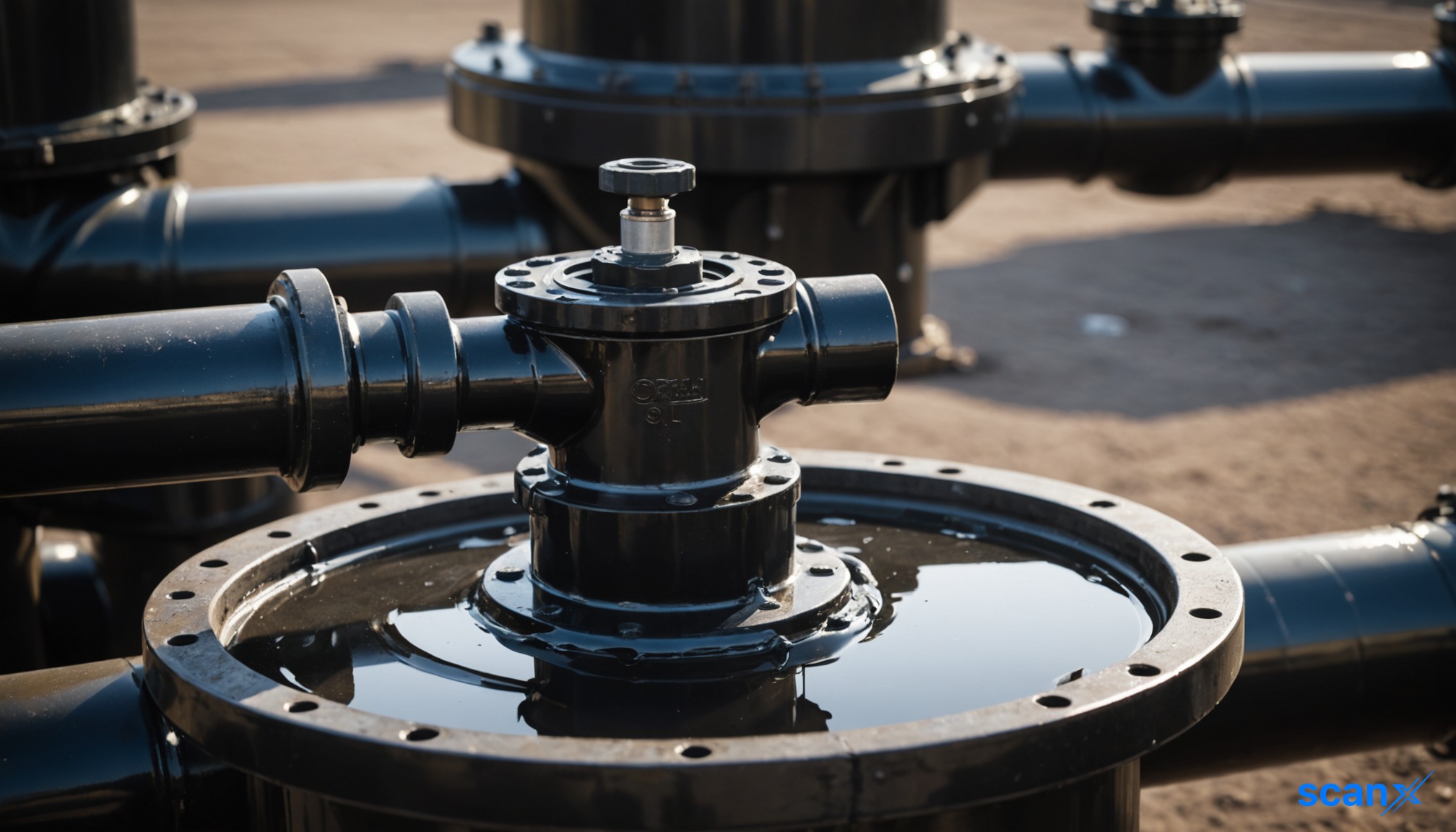

*this image is generated using AI for illustrative purposes only.
Sen. Bernie Sanders (I-Vt.) demanded a windfall profits tax on oil companies, challenging President Donald Trump’s assertion that the U.S. is "making a fortune" from high energy prices linked to the Iran war.
Sanders argued that while corporate entities benefit, American households are bearing the cost. He stated the average U.S. household became $2,000 poorer due to the conflict. This aligns with an estimate from Moody’s Analytics chief economist Mark Zandi, who placed the war’s cost to consumers at approximately $265 billion.
Divergence between consumer costs and corporate gains
The senator highlighted a stark contrast between individual financial strain and industry profitability. Sanders noted that Big Oil gained $125 billion this year. This figure derives from a Joint Economic Committee Minority brief, which reported first-half 2026 profits for more than 20 major oil and gas producers at $125.2 billion.
In a post on X, Sanders wrote, "No, Mr. Trump. America is not making 'a fortune' off high gas prices, but your Big Oil pals are." He urged an end to the war and the implementation of the proposed tax.
Trump claims national profit despite price volatility
President Trump countered these concerns during a rally in Arizona, stating, "Our country is making more money than it’s ever made because of the fact that oil is so high." While claiming to care about "the little person," Trump maintained that the nation is still "making a fortune," though he expressed dissatisfaction until actual oil prices decrease.
Trump claimed gasoline prices had dropped to $1.85 per gallon, a level not seen nationally since the height of the COVID-19 pandemic. However, current market data contradicts this figure. According to American Automobile Association data, regular gasoline averaged $4.3344 per gallon on Friday, while diesel averaged $6.3261.
Market conditions and supply disruptions
Global oil markets remain volatile amid ongoing geopolitical tensions. Brent crude closed Friday at $109.86, its highest level since May 20. The surge is driven by supply disruptions from the U.S.-Israel conflict with Iran and the Russia-Ukraine war. Ukrainian strikes on Russian refineries have further exacerbated supply risks.
| Metric | Value | Source/Context |
|---|---|---|
| Big Oil Profits (H1 2026) | $125.2 billion | Joint Economic Committee Minority brief |
| Household Cost Increase | $2,000 | Estimated by Bernie Sanders |
| Total Consumer Cost | $265 billion | Moody’s Analytics estimate |
| Regular Gasoline Price | $4.3344/gallon | AAA data, Friday |
| Diesel Price | $6.3261/gallon | AAA data, Friday |
| Brent Crude Close | $109.86/bbl | Highest since May 20 |
What the Numbers Show
The data reveals a significant disconnect between political rhetoric and market reality. While Trump cited a gas price of $1.85 per gallon, actual AAA data shows regular gasoline at $4.3344 per gallon, more than double the claimed figure. Simultaneously, the disclosure of $125.2 billion in first-half profits for major producers contrasts sharply with the estimated $2,000 loss per household, underscoring the transfer of wealth from consumers to producers during the period of elevated crude prices.

What legislative hurdles might a windfall profits tax face in the current Senate composition, and how could it impact future energy investment incentives?
How will sustained Brent crude prices above $100 influence Federal Reserve interest rate decisions and broader inflation expectations in the coming quarters?
Could the discrepancy between claimed and actual gasoline prices trigger further regulatory scrutiny or political fallout for the administration?
 16
16






 Create Custom Screeners
  Access 200+ Pre-built Filters
  Use 50+ Readymade Screener





