Polymarket prices 4% chance of Iran undersea cable attack by month-end

scanx
Reviewed by
Shraddha JScanX News Team
Key Highlights
  • Polymarket traders price a 4% chance of Iran damaging undersea cables by month-end
  • Probability of attack rises to 12% if extended to year-end
  • IRGC spokesperson Hossein Mohebi threatened to target Strait of Hormuz cables
  • More than 90% of Europe-Asia data capacity flows through Red Sea subsea cables
powered bylight_fuzz_icon
54014574

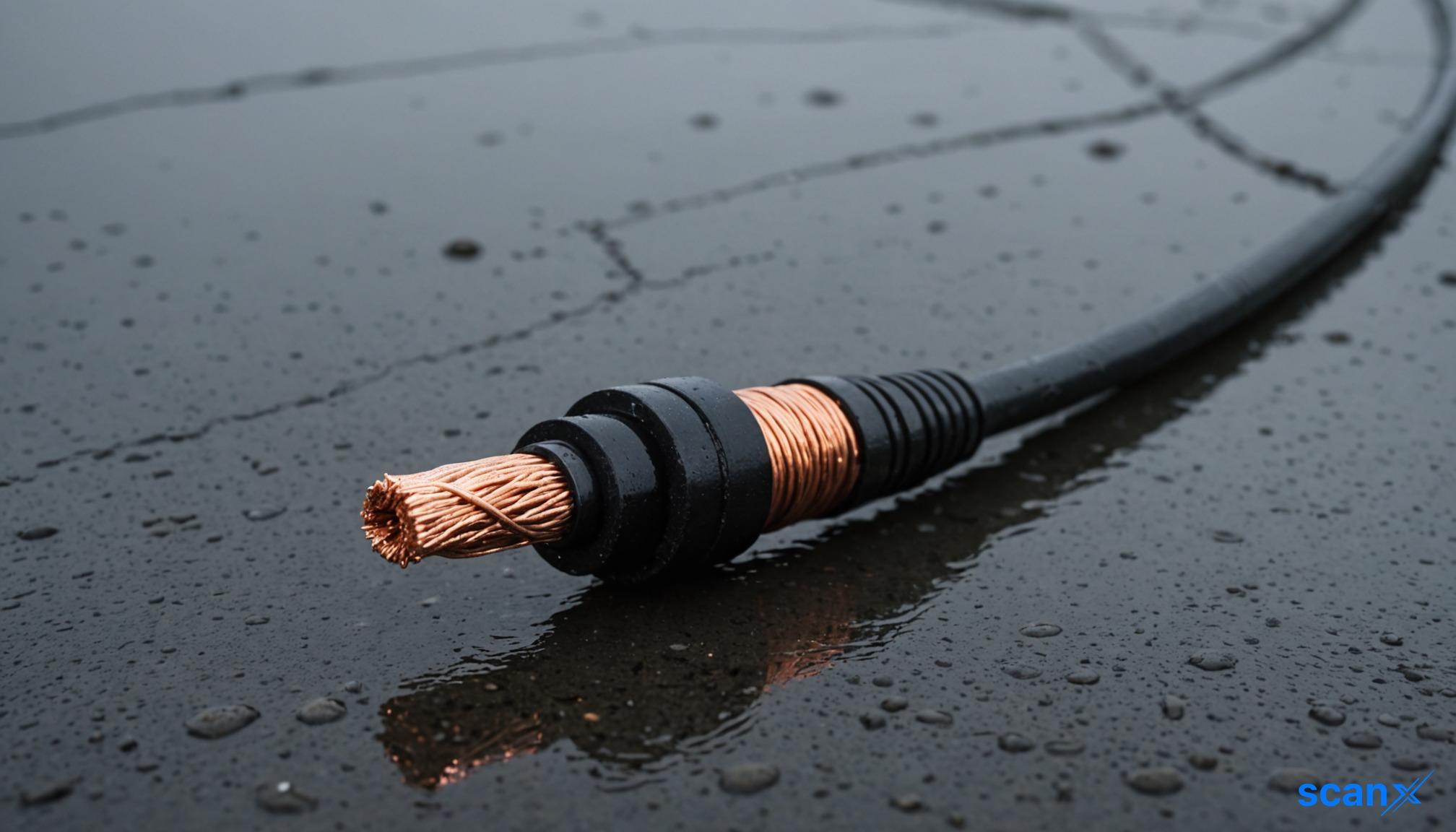
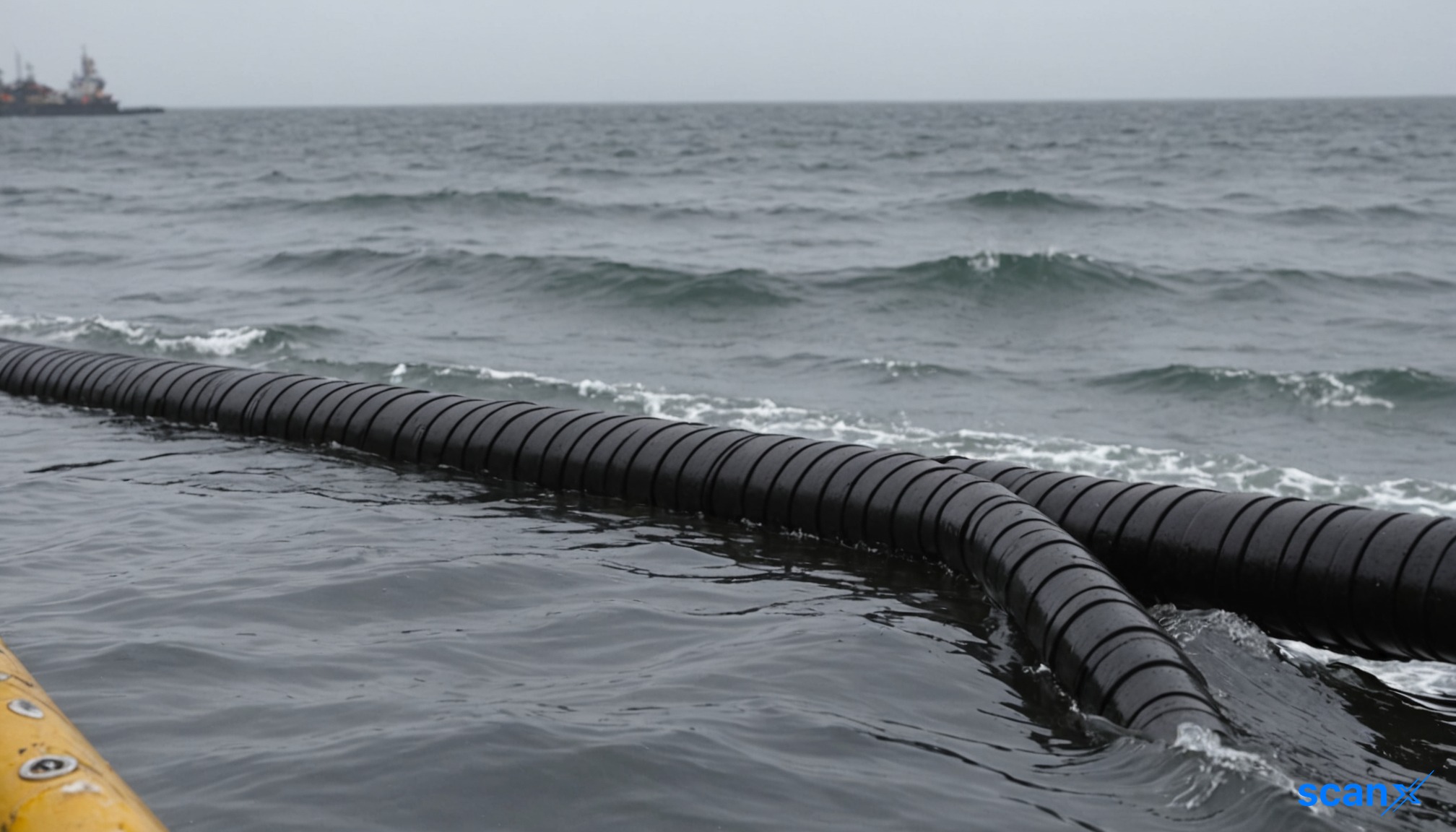
*this image is generated using AI for illustrative purposes only.

Prediction market participants on Polymarket have assigned a 4% probability that Iran or its proxy groups will physically damage undersea cable infrastructure by the end of the month. The likelihood rises to 12% for an attack occurring by year-end.

This skepticism persists despite a renewed threat from the Islamic Revolutionary Guard Corps (IRGC). IRGC spokesperson Hossein Mohebi warned that "all of the world’s internet and commercial data depend" on cables passing through the Strait of Hormuz. His comments followed warnings from Mohsen Rezaei, head of Iran’s Supreme National Security Council, that intense fighting could endanger critical technology infrastructure, including data centers and AI facilities.

Market Sentiment vs. Geopolitical Rhetoric

The divergence between official Iranian rhetoric and market pricing highlights the betting crowd's assessment of operational feasibility versus political posturing. While Tehran has amplified threats against digital infrastructure, traders on the Polygon-based Polymarket platform view immediate physical disruption as low-probability.

Timeframe Probability of Attack Source
By month-end 4% Polymarket
By year-end 12% Polymarket

The threat specifically targets communication cables in the Strait of Hormuz. Mohebi’s statement was reported by Al Jazeera and came after drone attacks in early March damaged Amazon Web Services infrastructure in the UAE and Bahrain. Those incidents caused physical damage, power disruptions, and cloud service outages, marking a precedent for physical attacks on tech infrastructure in the region.

Strategic Vulnerabilities in Global Data Flow

The strategic importance of these cables is underscored by telecom data analytics firm TeleGeography, which notes that more than 90% of data capacity between Europe and Asia passes through subsea fiber-optic cables beneath the Red Sea. Iran-backed Houthis control key coastal areas and shipping lanes at the Bab el-Mandeb Strait, the southern entrance to the Red Sea, providing Tehran with additional leverage points beyond the Hormuz threat.

What the Numbers Show

The data reveals a significant gap between geopolitical escalation and market-implied risk. While Iranian officials explicitly link global internet dependency to potential retaliation, the Polymarket odds suggest traders believe logistical or retaliatory constraints make actual sabotage of undersea cables highly improbable in the short term. The jump from 4% to 12% between month-end and year-end indicates that while immediate action is discounted, the risk is viewed as cumulative over time rather than imminent.

Disclaimer: This article is AI-generated using data from ViewTrade. ScanX is not liable for any inaccuracies.

How might telecom operators adjust routing strategies and latency expectations if the probability of Strait of Hormuz cable damage rises above 20%?

What specific insurance premiums or risk surcharges are shipping and cloud providers currently applying to assets operating near the Bab el-Mandeb Strait?

Could recent drone attacks on AWS infrastructure in the UAE serve as a catalyst for increased private-sector investment in decentralized or satellite-based backup connectivity?

like16
dislike

Iran Parliament Speaker proposes Persian Gulf Data Authority to target AI giants

scanx
Reviewed by
Anirudha BScanX News Team
Key Highlights
  • Mohammad Bagher Ghalibaf proposed a 'Persian Gulf Data Authority' to restrict resources for AI firms aiding US military operations.
  • The proposal advises regional entities to withhold finance, equity, land, and energy from targeted companies.
  • This follows warnings from Mohsen Rezaei that $2 trillion in digital assets are within striking range during conflict.
  • Previous drone attacks damaged Amazon Web Services infrastructure in the UAE and Bahrain in early March.
powered bylight_fuzz_icon
53415739

*this image is generated using AI for illustrative purposes only.

Iranian Parliament Speaker Mohammad Bagher Ghalibaf proposed a "Persian Gulf Data Authority" and urged regional governments to deny AI companies resources that support U.S. military operations. The proposal, announced on X on Sunday, marks an escalation in Tehran's rhetoric against major technology firms operating in the region.

Ghalibaf stated that the authority is "coming" and advised governments, investment funds, and businesses to stop supporting companies involved in military operations. "You are kindly advised to give no resources to any AI or data company aiding invasions or killing children," he wrote. He specified that support should include no "finance, equity, land and energy," warning that assisting such entities would face enforcement actions.

The new proposal builds upon earlier warnings from Iranian officials regarding critical digital infrastructure. Mohsen Rezaei, secretary of Iran’s Supreme National Security Council, stated last week that undersea communications cables, data centers, and AI facilities could come within striking range during a renewed conflict. Rezaei noted that assets valued at $2 trillion would be at risk, according to Iran International citing state media.

Escalating threats to digital infrastructure

Rezaei added that American technology assets in the UAE and around the Strait of Hormuz had not yet been included among Iran’s targets but could face attacks if hostilities resumed. Hossein Shariatmadari, editor-in-chief of the hard-line Kayhan newspaper, endorsed these warnings and called for using undersea fiber-optic cables to pressure Washington and its allies.

This follows previous threats by Iran’s Revolutionary Guard Corps against 18 major technology companies, including Microsoft Corp. (NASDAQ: MSFT), Alphabet Inc. (NASDAQ: GOOG), Meta Platforms Inc. (NASDAQ: META), Apple Inc. (NASDAQ: AAPL), Oracle Corp. (NYSE: ORCL), and Nvidia Corp. (NASDAQ: NVDA). The guards accused these firms of supporting U.S. military operations.

Context of recent infrastructure damage

These threats follow drone attacks in early March that damaged Amazon Web Services infrastructure in the UAE and Bahrain. The attacks caused physical damage, power disruptions, and cloud service outages, highlighting the vulnerability of regional tech hubs.

Previously, Tasnim News Agency argued that Tehran should require Alphabet, Meta, Microsoft, and Amazon to obtain permits and pay ongoing fees for subsea internet cables crossing Iranian waters in the Strait of Hormuz. The agency claimed systems like FALCON and Gulf Bridge International pass through Iranian territorial waters, asserting that entities owning cable capacity should pay for safety and governance services.

Market reaction and legal ambiguities

On Monday, Alphabet’s Class A stock closed 0.30% higher at $352.72 and gained 0.18% to $353.35 in after-hours trading. Its Class C shares closed 0.32% higher at $348.97 and rose 0.18% to $349.61 in extended trading. Benzinga Edge rankings indicate Google’s Class A stock has a Momentum score in the 83rd percentile and a Growth score in the 88th percentile.

Ghalibaf did not outline how the proposed authority would function, what powers it would possess, or how Iran could enforce restrictions on companies operating in other Gulf countries. The U.S. Department of War, the Iranian government, and the mentioned tech giants did not immediately respond to requests for comment.

Disclaimer: This article is AI-generated using data from ViewTrade. ScanX is not liable for any inaccuracies.

How might Gulf Cooperation Council nations adjust their sovereign wealth fund investment strategies in response to Iran's threat of enforcement actions against AI and data infrastructure supporters?

Will major tech companies accelerate the diversification of their cloud and data center footprints away from the Strait of Hormuz to mitigate geopolitical risk?

What legal or diplomatic mechanisms might the U.S. employ to counter Iran's proposed 'Persian Gulf Data Authority' if it attempts to regulate foreign corporate activities in international waters?

like20
dislike