NATO study finds Russia propaganda system vulnerable in first 18 hours

scanx
Reviewed by
Shraddha JScanX News Team
Key Highlights
  • Study analyzed 3.13 million Russian media items over 15 months
  • Kremlin takes average 18 hours to agree on official crisis positions
  • Information space lacks state control during initial vulnerability window
  • Research identifies predictable 3C model: Crisis, Control, Crusade
  • Primary audience identified as domestic Russian population
powered bylight_fuzz_icon
50427257

*this image is generated using AI for illustrative purposes only.

A new NATO Strategic Communications Centre of Excellence study reveals that Russia's propaganda architecture has a predictable vulnerability during the first 18 hours of an unexpected crisis.

The research, commissioned by Repsense and conducted with political science researchers, analyzed approximately 3.13 million media and social network items over 15 months. The data covers the period from January 1, 2024 to March 31, 2025.

The 3C Model

Researchers identified a consistent three-phase sequence they term the 3C model: Crisis, Control, and Crusade.

  • Crisis: Competing versions of events circulate without state guidance.
  • Control: A single Kremlin-approved version emerges and is repeated simultaneously across state websites, television, and Telegram.
  • Crusade: The event is reframed as part of a larger ideological struggle with the West.

What the Numbers Show

The analysis highlights a structural lag between event occurrence and state narrative control. While the Kremlin takes an average of 18 hours to agree on an official position, the information space remains ownerless during this window. This divergence suggests that speed of response is more critical than completeness for external actors attempting to counter disinformation.

Case Study: Kursk Region

The August 6, 2024 incursion by Ukrainian forces into Russia's Kursk region demonstrated this pattern clearly. For seven hours, Russian state media remained silent. During this gap, Telegram channels and military bloggers provided competing explanations. Once the coordinated position emerged after 18 hours, it was uniformly broadcast across all state platforms.

Primary Audience

The study concludes that the primary audience for this propaganda system is Russia's own population. The goal is mobilizing citizens rather than persuading foreign audiences. Interventions and fact-based explanations remain possible until the transition from chaos to control is complete.

How might NATO member states adapt their rapid-response communication protocols to exploit the identified 18-hour narrative vacuum?

Could the '3C model' predictability be leveraged by AI-driven disinformation campaigns to artificially accelerate the transition from Crisis to Control?

What specific metrics should international observers monitor to detect the onset of the 'Crusade' phase in future geopolitical conflicts?

like18
dislike

Russia secretly aids Iran on supersonic cruise missile tech

scanx
Reviewed by
Shriram SScanX News Team
Key Highlights
  • Covert C430L program launched in 2023 involves Russian specialists aiding Iran's supersonic missile development
  • Rosoboronexport proposed sending two dozen specialists in April 2025 for technical consultations
  • Ramjet propulsion technology enables missiles to fly several times faster than sound
  • Experts warn the system could threaten US Navy vessels in the region
  • No evidence yet that Russian-assisted supersonic missiles have been deployed
powered bylight_fuzz_icon
49842482

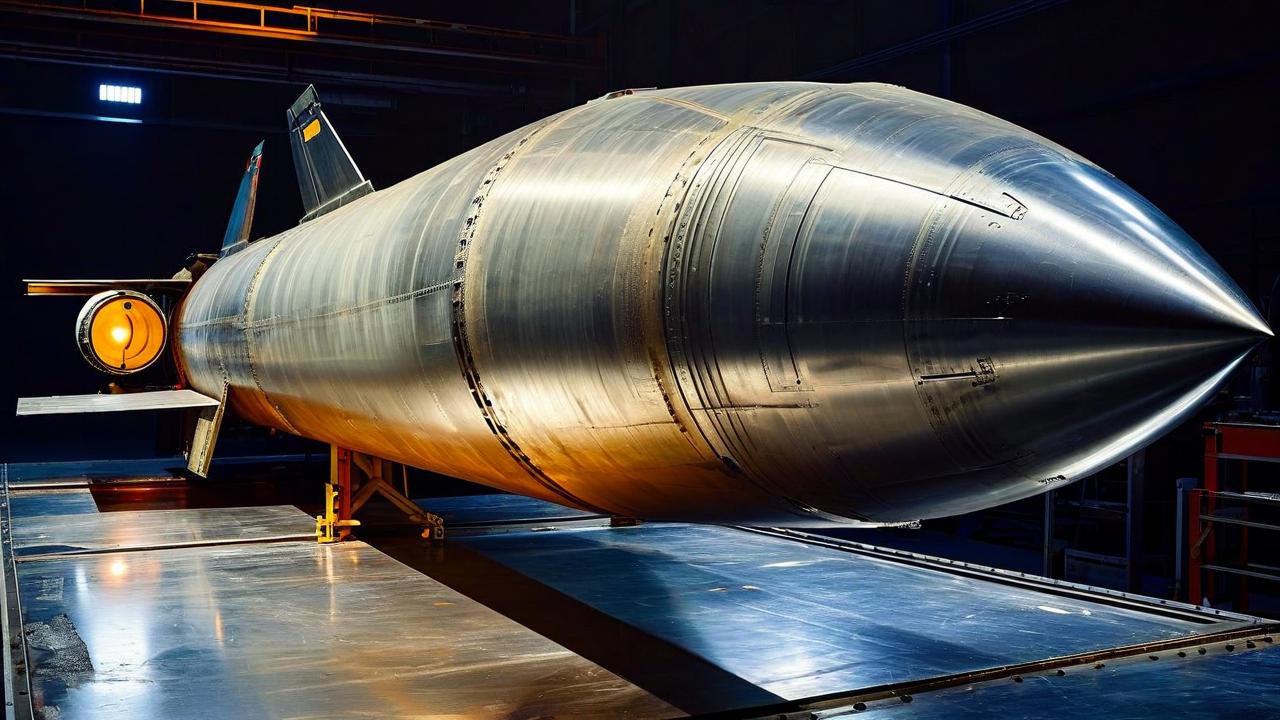
*this image is generated using AI for illustrative purposes only.

Russia has secretly helped Iran develop supersonic cruise missile technology through a covert programme that began in 2023, according to the Financial Times.

Covert programme and technical assistance

The initiative, codenamed C430L, enlisted leading Russian missile specialists to assist Iran in developing ramjet propulsion technology. This technology enables missiles to sustain speeds several times faster than sound. Russia’s state arms exporter Rosoboronexport and missile developer NPO Mashinostroyenia arranged the programme.

Russian engineers made several trips to Iran before a contract was signed with Iran’s Ministry of Defense and Armed Forces Logistics in November 2023. In April 2025, Rosoboronexport proposed sending around two dozen specialists to Iran for technical consultations under C430L. The planned mission focused on analyzing Iran’s propulsion system, with Moscow requesting flight-test telemetry data from Tehran prior to the visit.

Fabian Hinz, an expert on Iranian missiles, described the arrangement as the transfer of highly strategically sensitive military technology that Iran has sought for decades.

Strategic implications

The technology being developed could pose a threat to US warships and other targets. Jim Lamson, a former CIA Iran military analyst at the James Martin Center for Nonproliferation Studies, stated that this would provide Iran with a qualitatively new strategic weapon system capable of threatening US Navy vessels.

Iran has developed and flight-tested a ramjet propulsion system, but there is currently no evidence that a Russian-assisted supersonic cruise missile has been deployed.

Programme detail Information
Programme name C430L
Programme start 2023
Key entities Rosoboronexport, NPO Mashinostroyenia
Technology focus Supersonic cruise missile, ramjet propulsion
Reported capability Several times the speed of sound
Potential targets cited US warships and other targets
Recent development April 2025 proposal for specialist visit
Source Financial Times

Broader military cooperation context

This revelation follows reports of Russia transferring upgraded Shahed-type drones to Iran in March, incorporating battlefield-tested improvements from the Ukraine war. In July, reports emerged of US investigations into whether Russia helped Iran target CIA facilities using advanced drone technology with Kometa-M navigation systems.

President Donald Trump downplayed these reports, stating any Russian assistance had little impact and expressing doubt that Moscow was sharing intelligence with Tehran at a high level. Trump also thanked Chinese President Xi Jinping and Russian President Vladimir Putin for remaining neutral during the conflict with Iran.

How might the successful deployment of Russian-assisted supersonic cruise missiles alter the strategic balance of power in the Persian Gulf and impact US naval deterrence strategies?

What specific economic or military sanctions could the US and its allies impose on Rosoboronexport and NPO Mashinostroyenia in response to this covert technology transfer?

Will this revelation accelerate Iran's nuclear ambitions as a counterbalance to perceived conventional military threats from Western powers?

like17
dislike