

NATO May Send Forces to Hormuz If Strait Remains Closed by July


NATO is considering deploying forces to the Strait of Hormuz if the waterway remains closed by July, signalling the alliance's heightened concern over disruptions to a critical global maritime and energy corridor. The Strait of Hormuz is one of the world's most strategically important chokepoints for oil and gas transit. A potential NATO deployment would represent a significant step in international efforts to restore freedom of navigation. Global energy markets and shipping operators are closely watching the July deadline as a pivotal trigger for allied action.

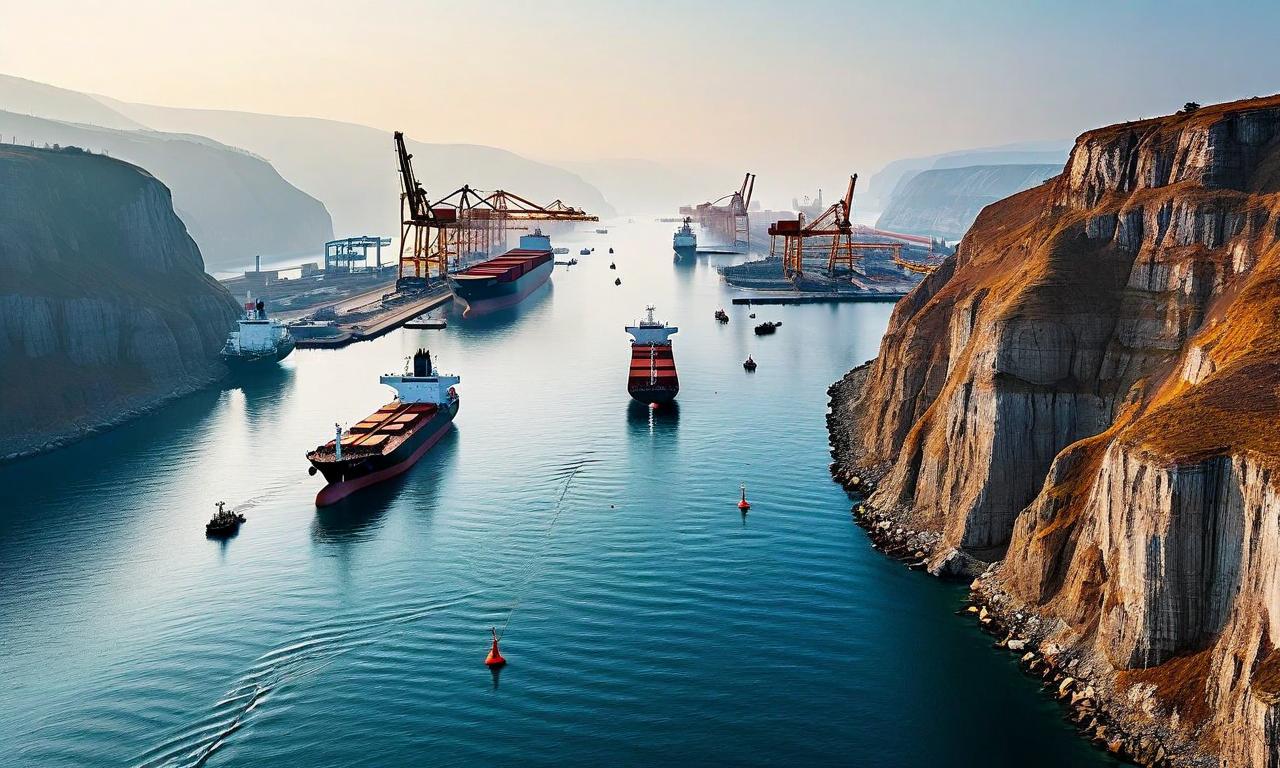

*this image is generated using AI for illustrative purposes only.
NATO is weighing the possibility of deploying forces to the Strait of Hormuz should the critical maritime passage remain closed by July. The potential military intervention highlights the alliance's growing concern over the sustained disruption to one of the world's most strategically significant waterways, through which a substantial portion of global energy supplies transit.
Strategic Significance of the Strait of Hormuz
The Strait of Hormuz serves as a vital chokepoint connecting the Persian Gulf to the Gulf of Oman and the broader Arabian Sea. Any prolonged closure of this passage carries far-reaching consequences for global oil and gas flows, international shipping, and energy-dependent economies worldwide, including major importers in Asia and Europe.
NATO's Potential Response
According to the available information, NATO's consideration of a force deployment is contingent on the strait remaining closed through July. The alliance's deliberations reflect the high stakes associated with an extended blockage of this maritime corridor. Key details surrounding the potential deployment are outlined below:
| Parameter: | Details |
|---|---|
| Alliance: | NATO |
| Location: | Strait of Hormuz |
| Trigger Condition: | Strait remains closed by July |
| Nature of Action: | Potential deployment of forces |
Implications for Global Markets
A NATO military presence in the Strait of Hormuz, if materialised, would mark a significant escalation in international efforts to safeguard freedom of navigation in the region. Energy markets, global shipping operators, and importing nations are closely monitoring developments, given the strait's role as a critical conduit for seaborne crude oil and liquefied natural gas shipments. The situation continues to evolve, with the July timeline serving as a key threshold for potential allied action.

If NATO deploys forces to the Strait of Hormuz, how might Iran or other regional actors respond militarily or diplomatically, and could this trigger a broader conflict?
Which Asian economies dependent on Persian Gulf energy imports face the greatest risk of recession or energy crisis if the strait remains closed beyond July?
How might a prolonged Hormuz closure accelerate the strategic pivot toward alternative energy supply routes, such as the UAE's Habshan-Fujairah pipeline or expanded LNG infrastructure?
 18
18






 Create Custom Screeners
  Access 200+ Pre-built Filters
  Use 50+ Readymade Screener





