

KOSPI falls 5.5% as SK Hynix drops 7.8%, Brent hits $91.70


Asian markets faced significant headwinds as South Korea's KOSPI plunged 5.50%, triggering a trading halt mechanism. Semiconductor giants SK Hynix and Samsung Electronics led the declines, falling 7.82% and 6.33% respectively. The sell-off occurred against a backdrop of rising oil prices, with Brent crude reaching $91.70, following President Trump's dismissal of potential diplomatic talks with Iran. Japanese equities also retreated, with the Nikkei 225 down 2.42%.


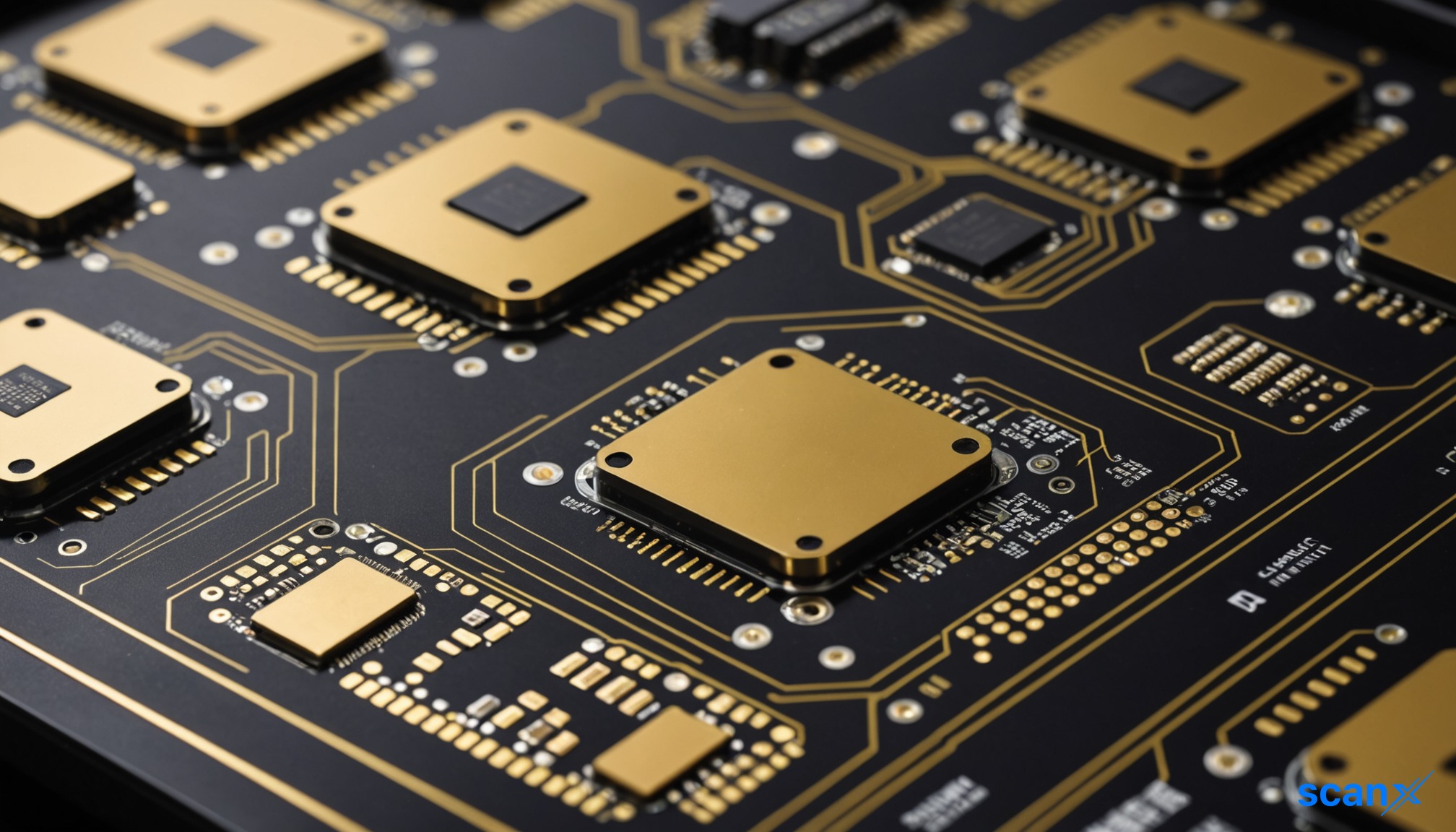
*this image is generated using AI for illustrative purposes only.
South Korea's equity markets suffered a sharp decline on Tuesday, with the KOSPI index falling 5.50% to close at 6,492.22. The broad-based sell-off was driven by heavy losses in the semiconductor sector, where industry leaders SK Hynix Inc. and Samsung Electronics Co. Ltd. saw significant value erosion. The volatility was severe enough to trigger a sell-side sidecar mechanism, temporarily halting program trading.
Market Mechanics and Semiconductor Slump
The Korea Exchange activated its circuit breaker after the KOSPI 200 futures index fell at least 5% for one minute. Program trading in KOSPI-listed shares was suspended for five minutes at 9:06 am local time, according to Yonhap News Agency. This mechanism is designed to slow extreme market moves during periods of high volatility.
Semiconductor stocks bore the brunt of the selling pressure:
- SK Hynix Inc. shares in Seoul dropped 7.82% to 1.532 million Korean won.
- Samsung Electronics shares declined 6.33% to 251,500 won.
The decline extended to U.S.-listed securities. SK Hynix American depositary receipts (ADRs) fell 9.20% to $155.62 during Tuesday's regular U.S. session and slipped another 1.38% to $153.47 in after-hours trading.
Regional and Global Market Impact
The downturn spread across Asian markets, with Japan's Nikkei 225 index falling 2.42% to 65,826.62. In the United States, stock futures edged lower ahead of the open. Dow futures declined 22.00 points (0.04%) to 53,381.00, while S&P 500 futures dropped 3.75 points (0.05%) to 7,710.25. Nasdaq 100 futures slipped 47.25 points (0.16%) to 29,538.75 as of around 9:01 pm EDT.
| Index: | Level: | Change: | % Change: |
|---|---|---|---|
| KOSPI: | 6,492.22: | -5.50%: | - |
| Nikkei 225: | 65,826.62: | -2.42%: | - |
| Dow Futures: | 53,381.00: | -22.00 pts: | -0.04% |
| S&P 500 Futures: | 7,710.25: | -3.75 pts: | -0.05% |
Geopolitical Tensions and Energy Prices
Rising geopolitical risks contributed to the market unease. President Donald Trump stated on Truth Social that there were no talks or conversations scheduled with Iran. He confirmed that the U.S. naval blockade remains in force and asserted that the Strait of Hormuz is "open and operating." This statement follows the expiration of a 60-day U.S.-Iran memorandum without a broader peace agreement.
Energy markets reacted to the heightened tensions. WTI crude oil rose 0.95% to $85.75 per barrel, while Brent crude gained 0.75% to $91.70 per barrel. Natural gas futures climbed 0.47% to $2.789 per MMBtu. The U.S. dollar index stood at 99.661, up 0.02% for the day.
What the Numbers Show
The simultaneous decline in major semiconductor stocks and the activation of the KOSPI's sell-side sidecar highlights the concentrated risk exposure of South Korea's benchmark index to the tech sector. With SK Hynix and Samsung Electronics leading the losses, the broader market index movement reflects a direct correlation with semiconductor valuation pressures rather than a diversified economic slowdown.

Will the activation of South Korea's circuit breaker mechanism lead to regulatory adjustments in program trading rules to prevent future extreme volatility?
How might the ongoing U.S.-Iran tensions and naval blockade impact global semiconductor supply chains and energy costs for Korean manufacturers in the coming quarters?
Could the sharp decline in SK Hynix and Samsung Electronics signal a broader correction in the global AI chip market, or is this primarily a regional sentiment shift?
 16
16






 Access Market Heat-map & Insights
  Create, Save & Share your Screener
  Use 200+ Screening Filters





