

Khamenei says US won't dare advance beyond Arabian Sea


- Iranian Supreme Leader Mojtaba Khamenei stated US forces will not advance beyond the Arabian Sea
- Eight U.S. Marines suffered smoke inhalation and head trauma in recent Strait of Hormuz strikes
- Brent crude futures rose 0.59% to $98.41 amid ongoing tensions and war since February 2026
- Former Secretary Antony Blinken compared Trump's sanctions relief offer to Obama's 2015 nuclear deal

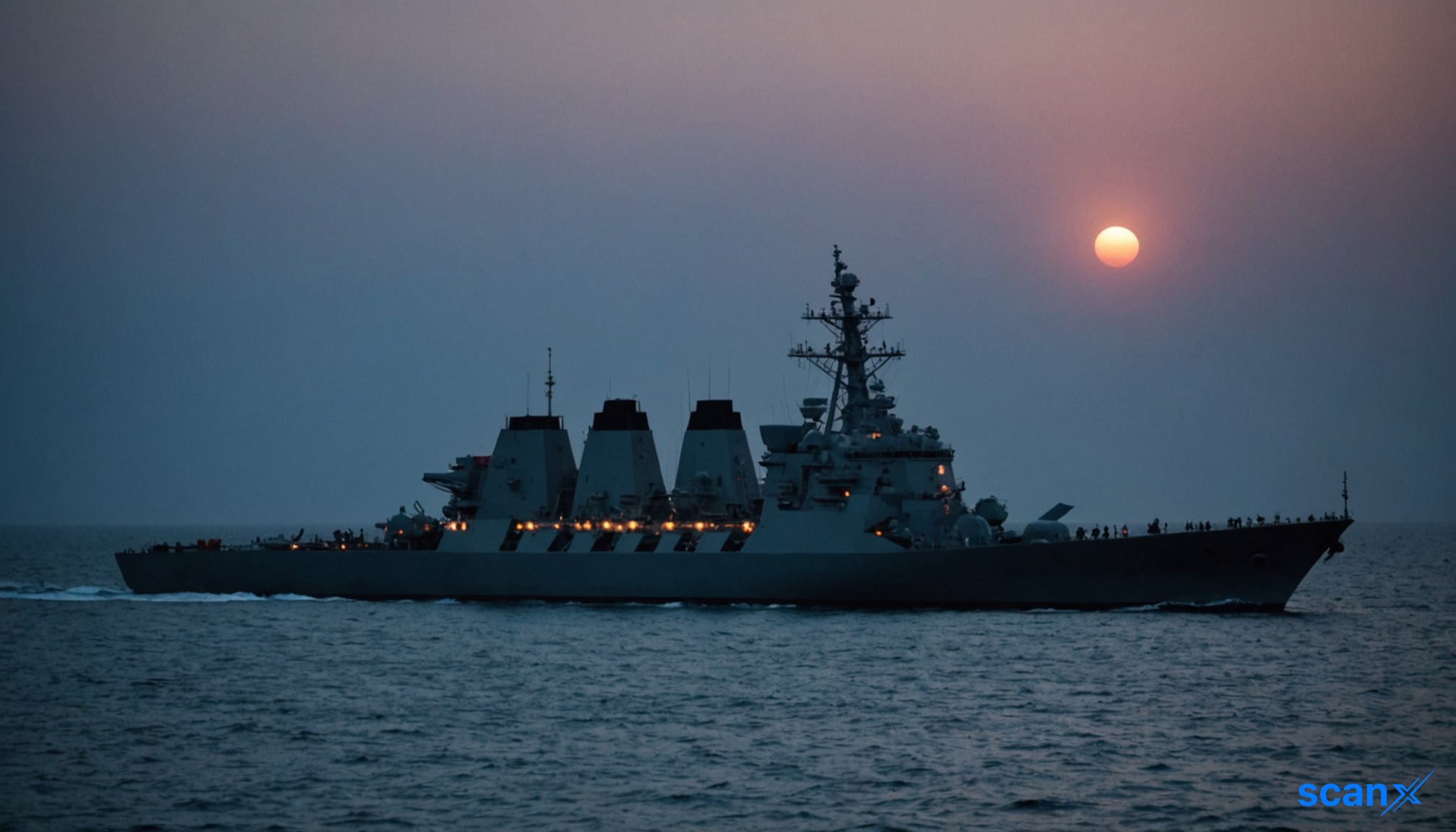

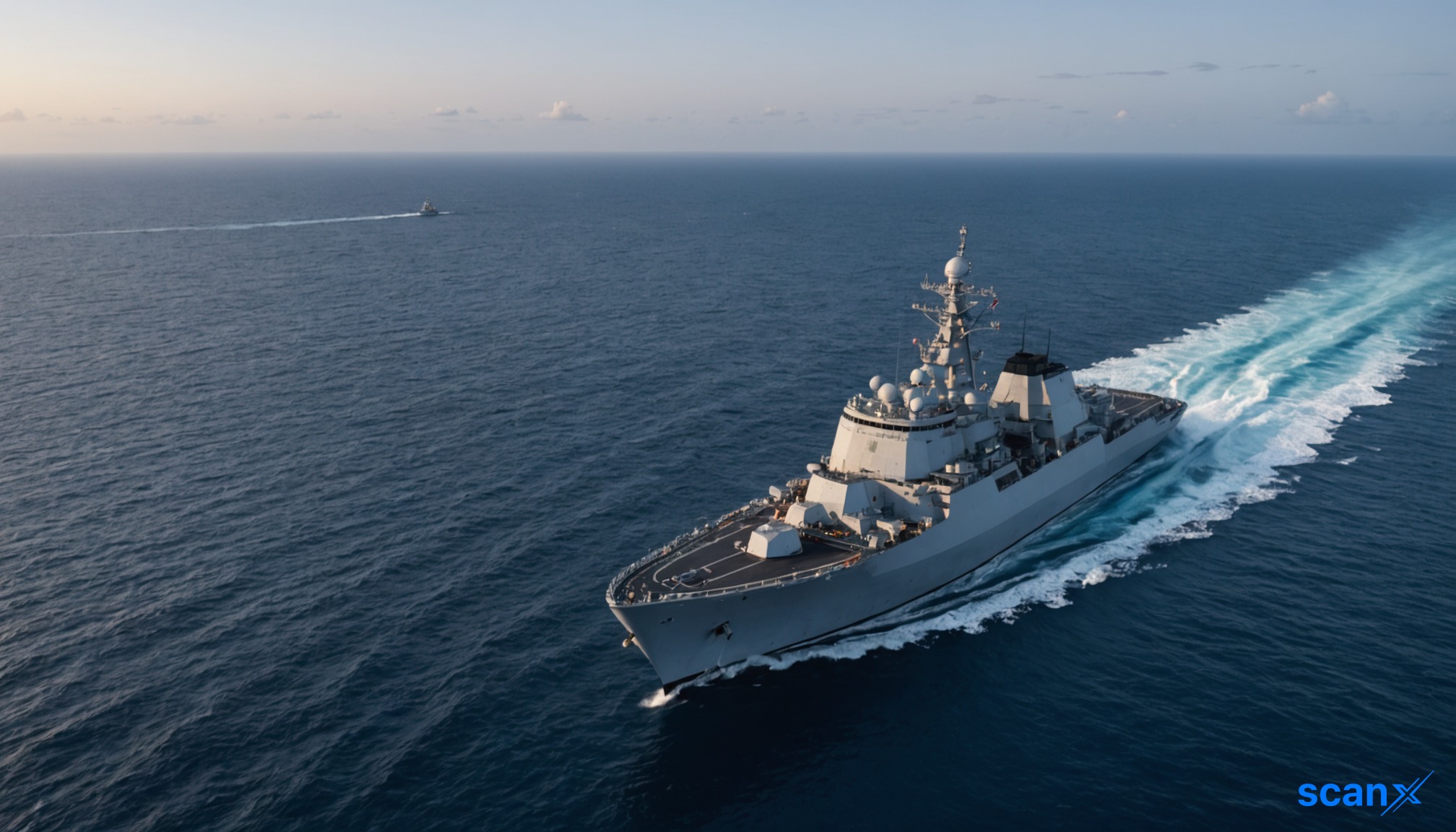
*this image is generated using AI for illustrative purposes only.
Iran’s Supreme Leader Ayatollah Mojtaba Khamenei declared on Monday that enemy forces do not dare enter the Gulf and that the Arabian Sea would soon be cleared of enemies. He stated that Tehran’s adversaries would eventually be kicked out of the Middle East amid the ongoing war with Iran.
Khamenei's statement on regional waters
Khamenei made the assertion regarding what he described as "enemy forces," stating that such forces do not dare enter the Gulf. In a post on the social media platform X, he said that the enemies had suffered from "painful blows" by "the valiant [Iranian] fighters" and the "guardians" of the Strait of Hormuz.
He added that because of this, "they dare not advance beyond the Arabian Sea." Khamenei further claimed that "it won’t be long before the Arabian Sea rids itself of their presence too." The remarks reflect the Iranian leadership's position on the presence of foreign military forces in the region's strategic waterways, which include the Gulf and the Arabian Sea.
U.S. Marines sustain injuries in Strait of Hormuz strikes
On Sunday, NBC News reported that eight U.S. Marines had suffered from smoke inhalation and possible head trauma, exhibiting symptoms like concussions and headaches, but did not suffer serious injuries. The report cited comments from three unnamed U.S. officials.
The officials declined to comment on what type of ship the Marines were on but confirmed that they were not on board a U.S. Navy vessel. The attack has not been reported previously. Notably, the Islamic Revolutionary Guard Corps (IRGC) said that it had struck two U.S. vessels, as well as eight oil tankers in the Strait of Hormuz earlier this month. However, the claims were denied by the U.S. Central Command (CENTCOM).
Diplomatic developments and oil market impact
Former Secretary of State Antony Blinken weighed in on President Donald Trump's reported offer for a deal with Iran, saying that Trump's offer for sanctions relief and access to frozen funds echoed former President Barack Obama's Iran Nuclear deal in 2015. On the other hand, Iran's Parliament Speaker Mohammad Bagher Ghalibaf reaffirmed Tehran's control over the Strait of Hormuz, saying that customers were paying up to $50 in premiums to source oil ever since the war began in February 2026.
The West Texas Intermediate (WTI) crude futures contracts expiring in November rose 0.75% to $93.28 at press time. Brent futures contracts expiring in November were up 0.59% to $98.41 at the time of writing this article. The United States Oil Fund (NYSE: USO) ETF was up 0.05% at $150.08, while the ProShares Ultra Bloomberg Crude Oil (NYSE: UCO) ETF gained 0.53% to $53.39.
On the fuel costs front, gas prices in the U.S. have surged in the past weeks. Data from the American Automobile Association (AAA) showed that the national average price of gas fell slightly to $4.4768/gallon on Monday. Meanwhile, diesel prices also declined to $6.45311/gallon on Monday.

How might the confirmed injuries to U.S. Marines influence the Pentagon's rules of engagement and potential escalation in the Strait of Hormuz?
Will the $50 oil premium cited by Iranian officials become a permanent structural feature of global energy markets if the conflict persists?
What specific conditions would Iran require to accept President Trump's proposed sanctions relief, given the current military stalemate?
 16
16





 Access Market Heat-map & Insights
  Create, Save & Share your Screener
  Use 200+ Screening Filters





