

Iran warns Canada, South Korea over Strait of Hormuz military support


- Iran criticizes Canada for backing US military actions in Strait of Hormuz
- Esmaeil Baghaei accuses Ottawa of strategic confusion and submission to intimidation
- Tehran warns South Korea of serious consequences for any military involvement
- EU supports Operation Economic Outcast to increase economic pressure on Iran
- Mohsen Rezaei threatens maritime exclusion zone in response to economic warfare

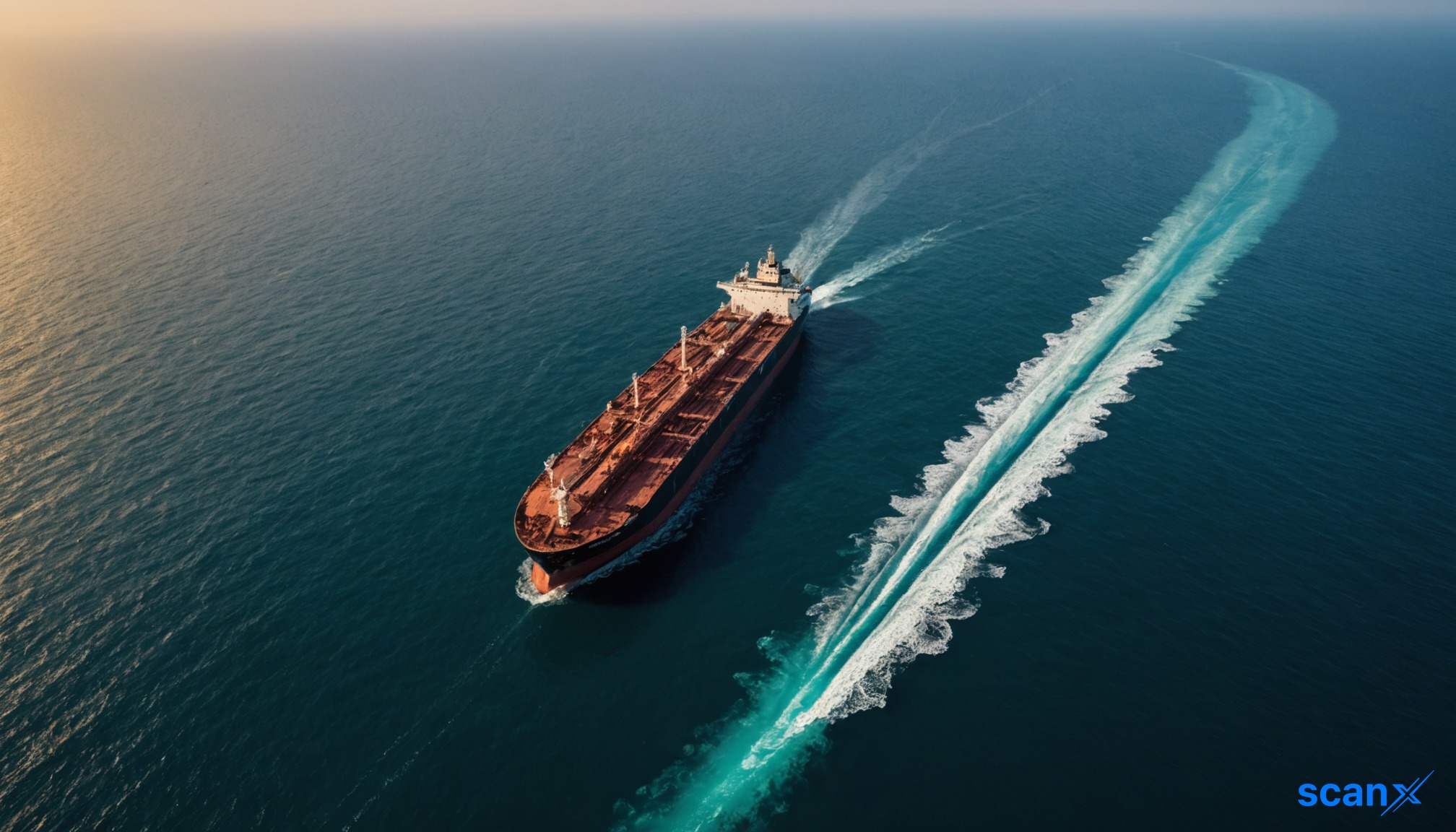

*this image is generated using AI for illustrative purposes only.
Iran criticized Canada for endorsing US military actions in the Strait of Hormuz. Foreign Ministry spokesperson Esmaeil Baghaei accused Ottawa of yielding to intimidation.
Baghaei characterized Canada’s position as a display of strategic confusion on X. He linked this stance to President Donald Trump’s recent map superimposing the US flag over North America.
Diplomatic Tensions Escalate
Baghaei stated that Canada chose to appease its neighbor on the same day Trump demonstrated contempt for Canadian sovereignty. He questioned why Canada would back Washington given past experiences of American bad faith.
The Iranian spokesperson challenged Canada’s credibility as a defender of international law. He cautioned that supporting US aggression would not shield Canada from American bullying.
Regional Military Developments
The EU endorsed efforts to curb Iran’s destabilizing activities during G20 finance ministers’ meeting in Asheville. This included support for Operation Economic Outcast to increase pressure on Tehran.
Iran warned South Korea against military involvement in the Persian Gulf. Tehran stated such participation would have serious consequences for Seoul.
Potential Korean Deployment
Seoul is reportedly considering potential military contributions to secure the strategic waterway. Options include combat, noncombat, and search operations in the region.
Escalating Conflict Risks
Yemen’s Houthis attacked energy facilities in Saudi Arabia, wounding over 70 people. Iran’s Supreme National Security Council secretary Mohsen Rezaei warned of a maritime exclusion zone.
Rezaei stated that economic warfare would be met by a blockade perimeter across the Persian Gulf. Iran and Oman are nearing a deal for a temporary safe shipping route.

How might the proposed Iran-Oman safe shipping route impact global oil prices and insurance premiums in the Strait of Hormuz?
What are the potential diplomatic repercussions for Canada if it continues to align with US military actions despite domestic sovereignty concerns raised by Trump?
Could South Korea's potential military deployment to the Persian Gulf trigger a broader regional conflict involving Iranian retaliation against allied nations?
 18
18






 Access Market Heat-map & Insights
  Create, Save & Share your Screener
  Use 200+ Screening Filters





