

FETCO urges Canada Labour Code amendments to protect supply chains


- FETCO urges amendments to Canada Labour Code for labour stability
- West Coast port stoppages disrupted $19.2 billion in cargo (2023-2024)
- Total rail stoppage estimated to cost $341 million per day
- Person-days lost to disputes averaged 1.1 million/year over past three years

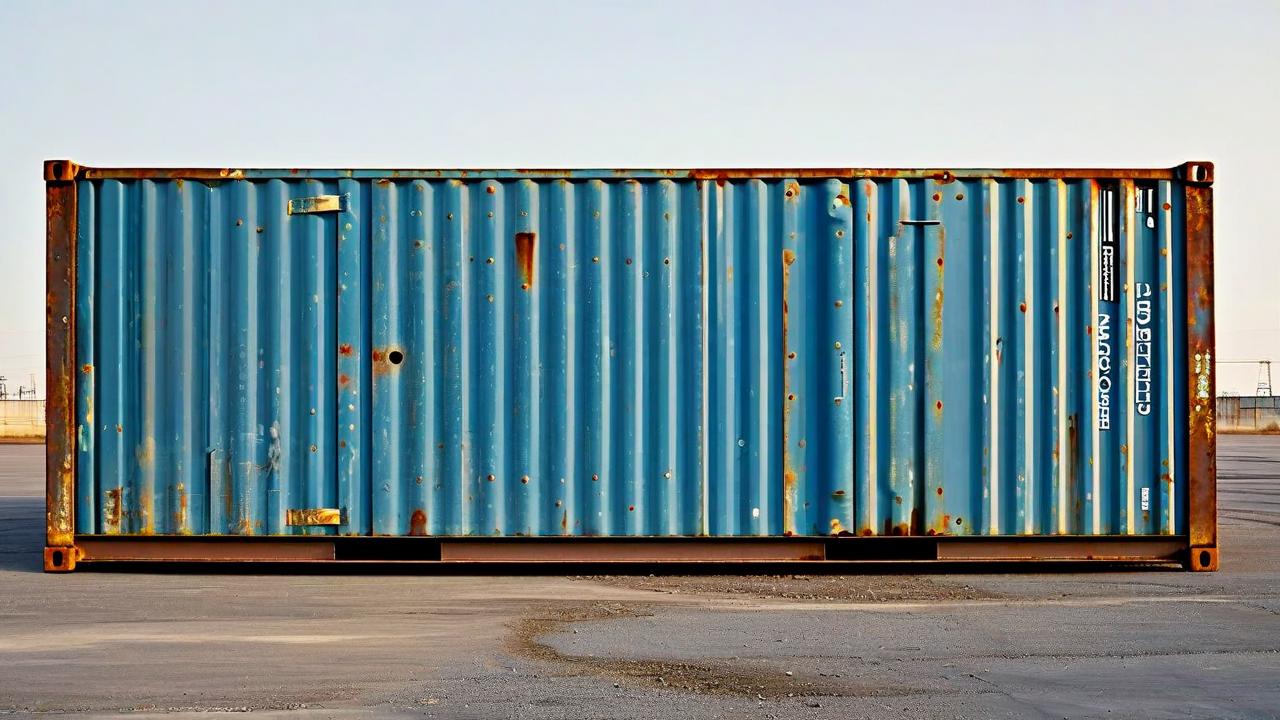

*this image is generated using AI for illustrative purposes only.
Federally Regulated Employers – Transportation and Communications (FETCO) is urging the Canadian government to amend the Canada Labour Code to enhance labour stability in critical transportation and communications sectors.
The association argues that reliable supply chains are essential for the Carney government’s trade diversification agenda amid escalating trade disputes with the United States. FETCO members are calling for the introduction of a special mediator, as recommended by the Industrial Inquiry Commission on West Coast Ports, along with constitutionally valid safeguards to prevent strikes that impair the national public interest.
Disruption Costs
Labour instability poses significant economic risks to Canadian businesses and consumers. FETCO highlighted the recent WestJet dispute as an example of how quickly labour conflict can escalate into a national economic crisis.
Historical data underscores the financial impact of such stoppages:
| Event | Impact | Cost Estimate |
|---|---|---|
| West Coast Port Stoppages (2023-2024) | 24 days of disrupted operations | $19.2 billion in cargo value |
| Potential Total Rail Stoppage | Daily operational halt | $341 million per day |
Derrick Hynes, President and CEO of FETCO, stated that a trade deal is only as effective as the ability to deliver on it. He noted that work stoppage costs are ultimately borne by Canadian businesses, workers, and consumers, while simultaneously damaging Canada’s reputation as a reliable trading partner.
What the Numbers Show
Statistics Canada data reveals a sharp increase in labour dispute frequency and duration. The average number of person-days not worked due to labour disputes over the past three years exceeds 1.1 million per year. This figure is notably higher than the combined total for the entire previous decade (2013-2022), indicating a structural shift in labour relations volatility rather than isolated incidents.
Policy Recommendations
FETCO proposes practical steps to strengthen supply chain reliability:
- Create a special mediator role to facilitate negotiations.
- Implement safeguards to avoid strikes that clearly impair the national public interest.
- Focus on increasing the likelihood of employers and unions reaching deals at the table.
These measures aim to support trade diversification efforts and mitigate economic headwinds caused by external trade tensions.

How might the proposed constitutional safeguards against strikes impact the bargaining power and legal rights of federally regulated unions?
What specific legislative timeline is the Carney government considering for amending the Canada Labour Code in response to FETCO's recommendations?
Could the introduction of a special mediator role set a precedent for labour dispute resolution in other critical infrastructure sectors beyond transportation and communications?
 19
19





 Access Market Heat-map & Insights
  Create, Save & Share your Screener
  Use 200+ Screening Filters





