

Critical Minerals Replace Oil in Geopolitics; Trump Claims Billions in Stock Gains


- Critical minerals replace oil as top geopolitical battleground due to tech needs
- Saudi Arabia seeks US intelligence support against Houthi advances in Yemen
- Trump claims hundreds of billions in stock gains made for the US, not himself
- Warren says Democrats can overcome GOP spending via grassroots organization
- Johnson credits Republican policies for booming American manufacturing

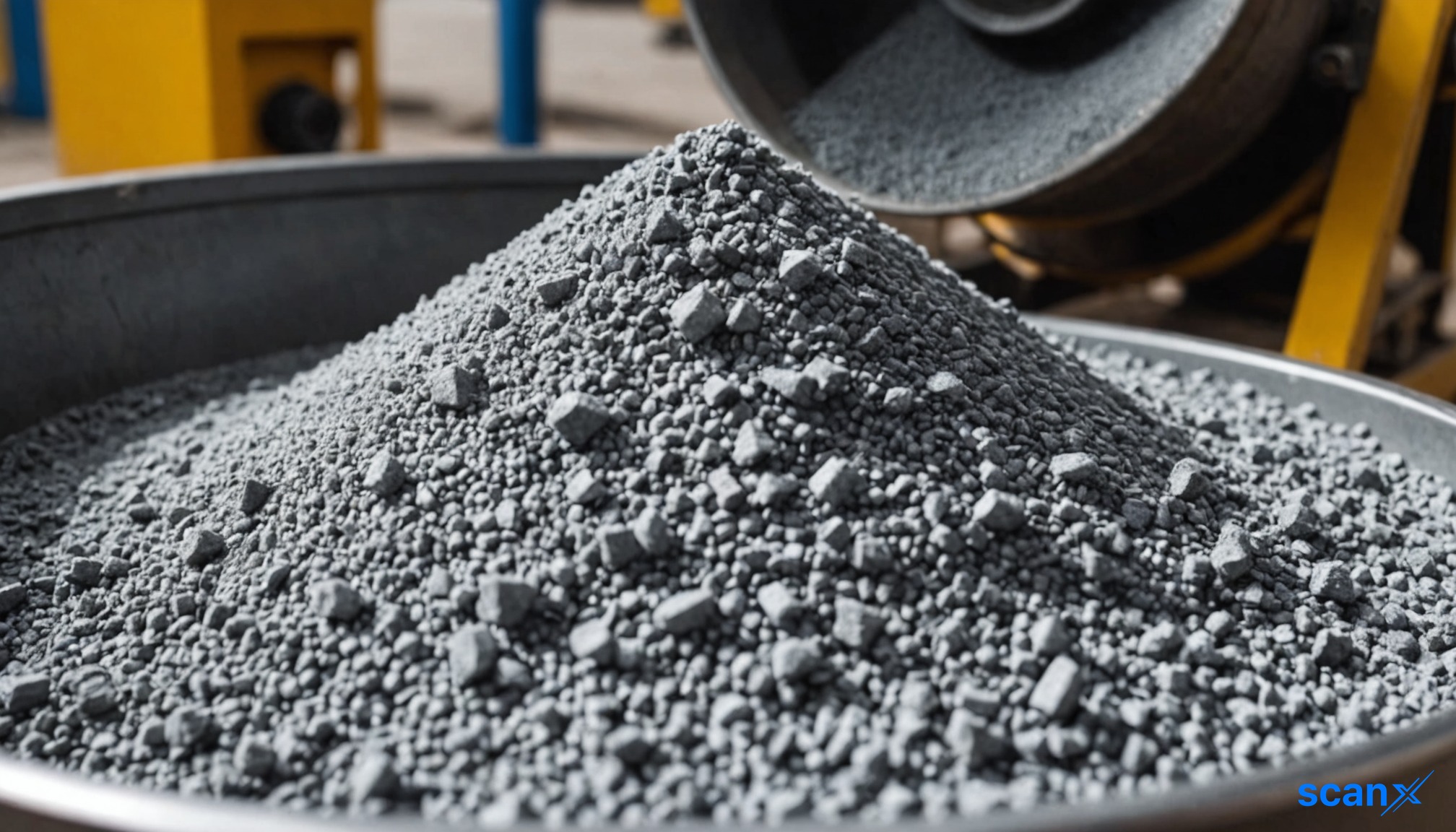

*this image is generated using AI for illustrative purposes only.
Geopolitical priorities are shifting from crude oil to critical minerals, while President Donald Trump claimed to have generated billions for the US through stock trading.
Saudi Arabia’s Crown Prince Mohammed bin Salman has requested military assistance from President Trump against Houthi rebels in Yemen. The request follows significant territorial gains by the Iran-aligned group in the Bab el-Mandeb Strait, a crucial Red Sea oil passage. Trump declined direct military intervention but offered intelligence support. The US maintains ongoing dialogue with Saudi Arabia and the Yemeni government.
Critical Minerals Replace Oil
National security focus is moving toward critical minerals and rare earth elements (REEs), including nickel, copper, lithium, and rare-earth oxides. These elements are vital for various technologies. Canada is reconsidering its free sharing of strategic resources amidst a trade war with the US. Some Chinese rare earth suppliers are hesitant to export to the US due to potential repercussions from Beijing.
Trump’s Stock Trading Claims
President Trump asserted on Truth Social that he has made hundreds of billions of dollars on stocks and other holdings for the US, not himself. He dismissed criticism from Democrats, stating his trading benefits the country.
Political Dynamics
Senator Elizabeth Warren (D-Mass.) believes Democrats can overcome Republican spending advantages by building a robust grassroots organization. She acknowledged that Republican-aligned financial interests may outspend Democrats. House Speaker Mike Johnson (R-La.) attributed the resurgence of American manufacturing to Republican policies, citing tax breaks, job creation, and investment opportunities.

How might the US's pivot to intelligence-only support in Yemen impact global oil prices and supply chain stability in the Red Sea?
What specific regulatory measures could Canada implement to protect its critical mineral exports amidst escalating US trade tensions?
Will Chinese hesitation to export rare earth elements to the US accelerate domestic mining initiatives or drive alliances with other resource-rich nations?
 18
18







 Access 50+ Readymade Screeners
  Use 200+ Custom Filters
  Get Full Market Insights





