

Canada and China agree to relaunch ministerial dialogue on environment


- Canada and China agreed to relaunch the Ministerial Dialogue on the Environment
- Agreement reached during CCICED annual meeting in Beijing from September 27 to 29, 2026
- Move aligns with strategic partnership forged during Prime Minister Carney's January 2026 visit
- Canada China Business Council plans a Cleantech Mission to China in November 2026



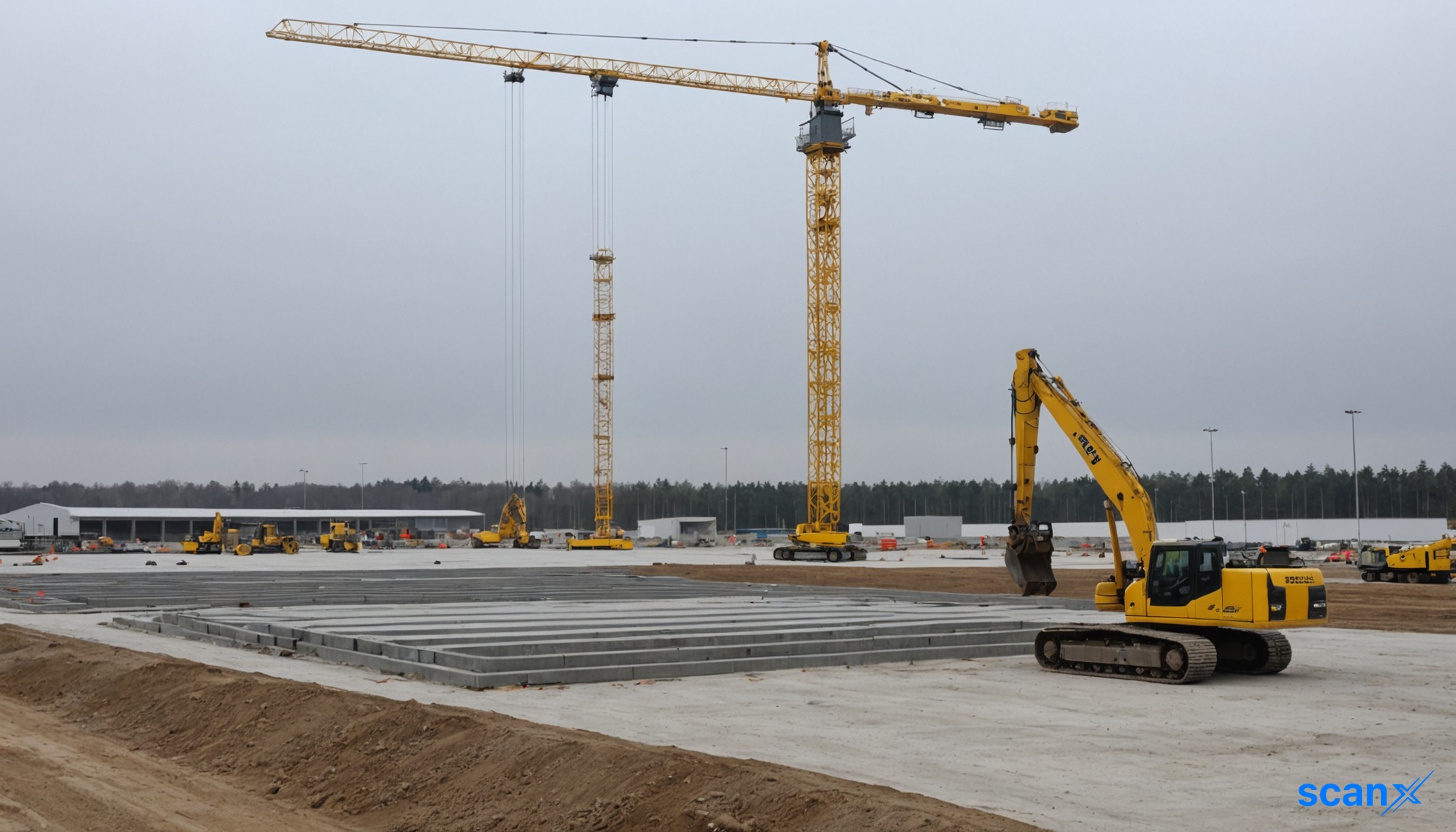
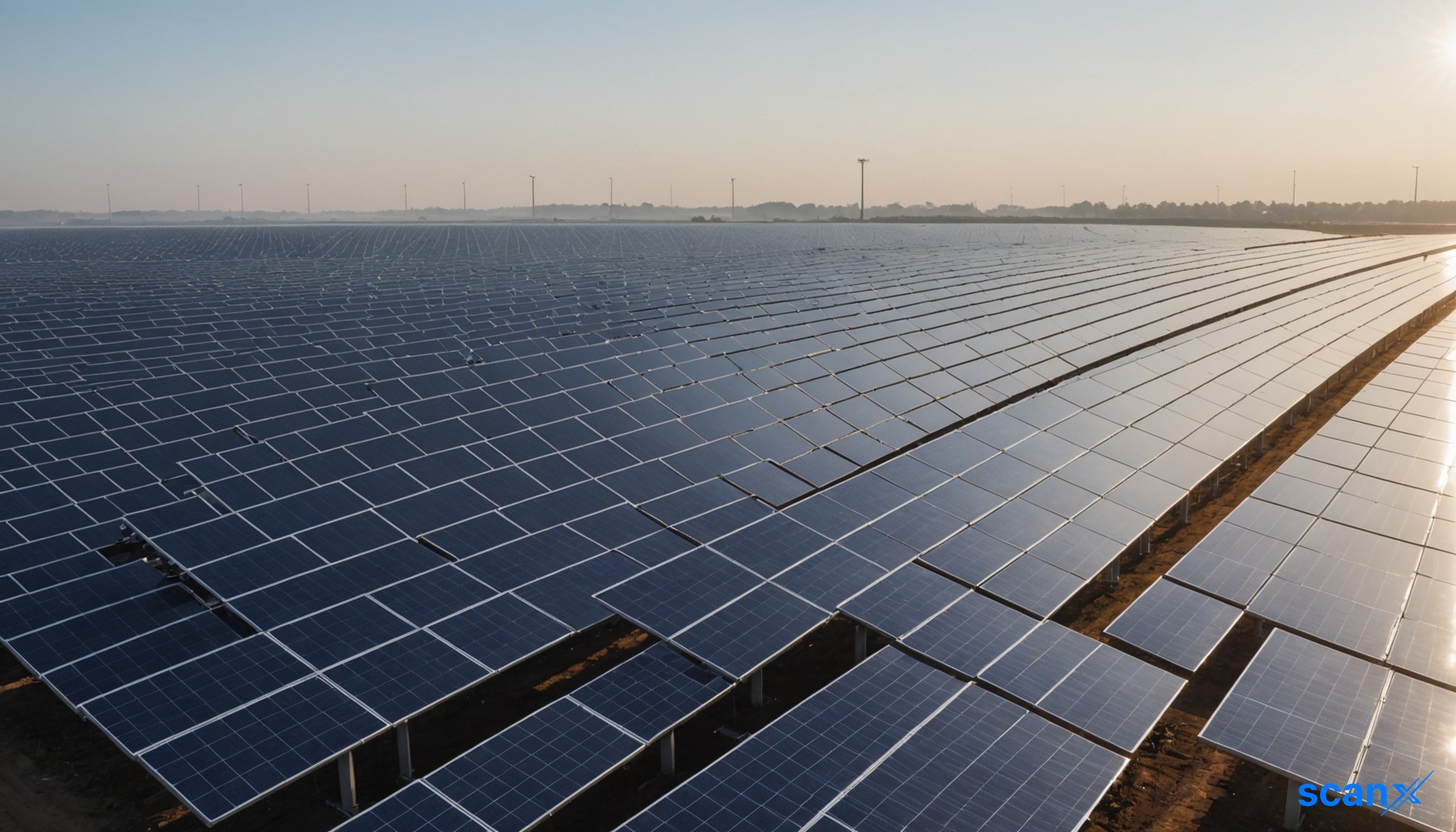
*this image is generated using AI for illustrative purposes only.
Canada and China have agreed to relaunch the Canada–China Ministerial Dialogue on the Environment. This decision follows meetings in Beijing between Canadian Environment Minister Julie Dabrusin and Chinese Ecology and Environment Minister Huang Runqiu.
The agreement was reached during the Annual General Meeting of the China Council for International Cooperation on Environment and Development (CCICED), held from September 27 to 29, 2026. The council serves as a high-level advisory body providing science-based recommendations to the Chinese government on environmental issues.
Strategic partnership context
This development aligns with commitments made during Prime Minister Mark Carney’s January 2026 visit to China. During that visit, both nations forged a new strategic partnership focused on energy, agri-food, trade, and environmental cooperation. The relaunch of the dialogue puts these high-level commitments into practice through established bilateral frameworks.
Minister Dabrusin also engaged with Vice Premier Ding Xuexiang, who chairs the CCICED, on the margins of the meeting. Canada has maintained a partnership with the CCICED for over 30 years, utilizing it as a forum to advance progress on pollution prevention, biodiversity protection, and climate action.
Clean technology opportunities
Beyond diplomatic dialogues, the visit highlighted economic opportunities in the clean technology sector. China is identified as the world’s largest market for clean technology. Minister Dabrusin met with the Canada China Business Council and private sector leaders to discuss deploying Canadian expertise in this context.
The Canada China Business Council plans to facilitate connections for Canadian businesses through a Cleantech Mission to China scheduled for November 2026. This initiative supports Canada’s goal of becoming a clean energy superpower by creating jobs and driving economic growth at home.
Key cooperation frameworks
| Framework | Purpose |
|---|---|
| CCICED | Advisory body for science-based environmental recommendations |
| MoU on Environmental Cooperation | Formal framework for bilateral action on environmental protection |
| MoU on Climate Change | Framework for joint climate action initiatives |
| Kunming Dialogue | Multilateral meeting on biodiversity framework implementation |
Recent multilateral efforts include the Kunming Dialogue, co-chaired by Canada and China in September 2026. This working-level meeting focused on implementing the Kunming–Montréal Global Biodiversity Framework ahead of COP17 in Armenia.

How might the November 2026 Cleantech Mission to China impact the specific regulatory hurdles Canadian clean tech firms face in the Chinese market?
What concrete policy mechanisms will be established to ensure the relaunch of the Ministerial Dialogue translates into measurable progress on pollution prevention and biodiversity?
Could the deepening environmental cooperation between Canada and China influence broader trade negotiations or tariff policies in other sectors like agri-food?
 19
19




 Access Market Heat-map & Insights
  Create, Save & Share your Screener
  Use 200+ Screening Filters





