

Hormuz energy shock lifts producer inflation to 6.5%


Producer prices accelerated in May as the Strait of Hormuz energy shock fed through the pricing pipeline, raising concerns over the Federal Reserve’s inflation outlook. The headline Producer Price Index climbed from 5.7% year-over-year in April to 6.5% in May, topping economist expectations of 6.4% — the hottest reading since December 2022. On a monthly basis, wholesale prices rose by 1.1%, surpassing the 0.7% consensus after April’s 1.1% surge. Stripping out food and energy, core PPI stayed at 4.9%, missing a rise to 5.4%. Underlying month-over-month pressures rose 0.4%, decelerating from the prior 0.7% and against a 0.5% consensus.



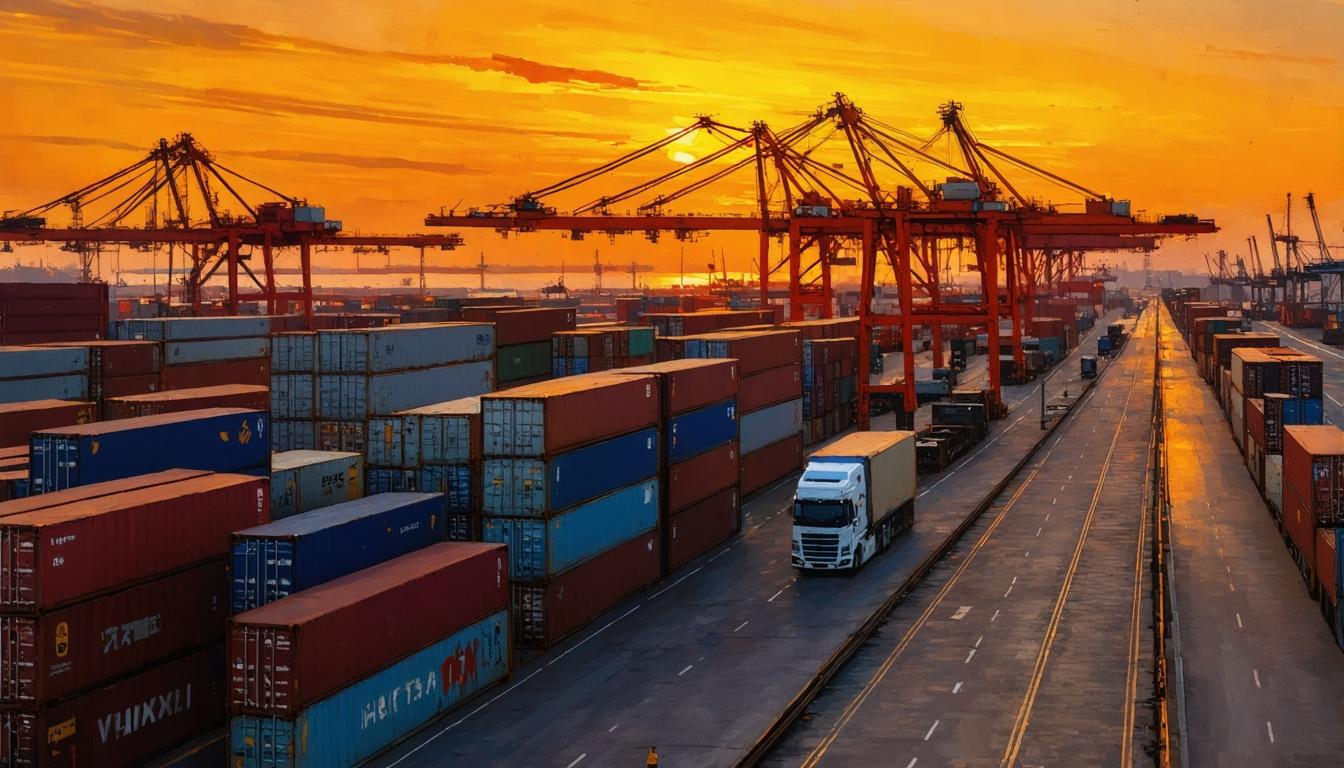
*this image is generated using AI for illustrative purposes only.
Producer prices accelerated in May as the Strait of Hormuz energy shock fed through the pricing pipeline, raising concerns over the Federal Reserve’s inflation outlook. The headline Producer Price Index climbed from 5.7% year-over-year in April to 6.5% in May, topping economist expectations of 6.4% — the hottest reading since December 2022.
On a monthly basis, wholesale prices rose by 1.1%, surpassing the 0.7% consensus after April’s 1.1% surge. Stripping out food and energy, core PPI stayed at 4.9%, missing a rise to 5.4%. Underlying month-over-month pressures rose 0.4%, decelerating from the prior 0.7% and against a 0.5% consensus.
The May print follows Wednesday’s Consumer Price Index reading of 4.2%, the highest since April 2023. The combination of rising producer prices and persistent consumer inflation presents a challenging environment for monetary policymakers.
| Metric | Actual | Previous | Estimate |
|---|---|---|---|
| US PPI (YoY) (May) | 6.5% | 5.7% | 6.4% |
| US PPI (MoM) (May) | 1.1% | 1.1% | 0.7% |
| Core PPI (YoY) | 4.9% | - | 5.4% |
| Core PPI (MoM) | 0.4% | 0.7% | 0.5% |
The data indicates that while monthly price pressures moderated slightly at the core level, the headline inflation surge remains driven by energy volatility stemming from geopolitical tensions.

How will the Federal Reserve adjust its monetary policy stance in response to the resurgence in headline PPI?
What is the likelihood that energy price volatility from the Strait of Hormuz tensions will persist into the second half of the year?
Could the divergence between rising headline PPI and moderating core PPI signal a temporary inflation shock rather than a sustained trend?
 18
18













 Create Custom Screeners
  Access 200+ Pre-built Filters
  Use 50+ Readymade Screener





