

Vardhman Special Steels files FY26 sustainability report with solar update


- Vardhman Special Steels filed its FY26 BRSR report on August 25, 2026
- GHG intensity was 0.737 tCO2e/MT; total energy use rose to 1,054,138 GJ
- Solar plant commissioned in Feb 2026 meets ~40% of power needs
- CSR spend hit ₹2.76 crore; green capex jumped to 58.79% of total
- Water withdrawal increased 13.6% YoY to 264,529 KL

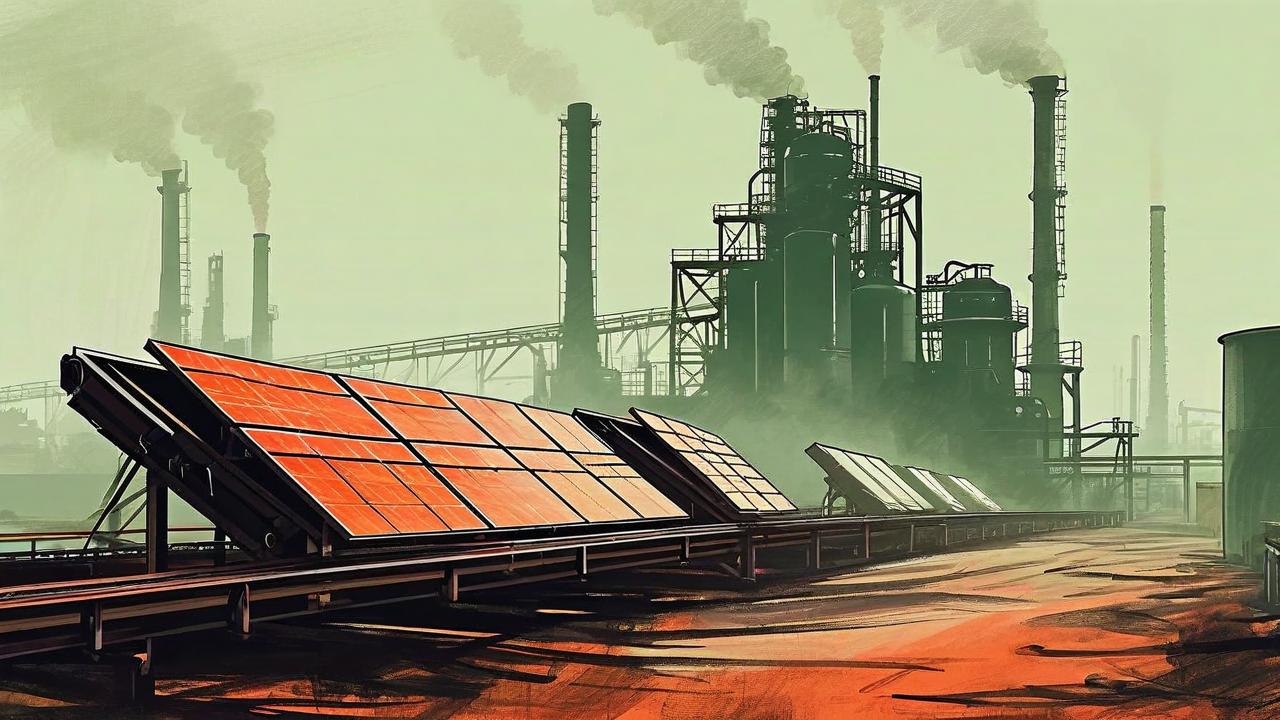

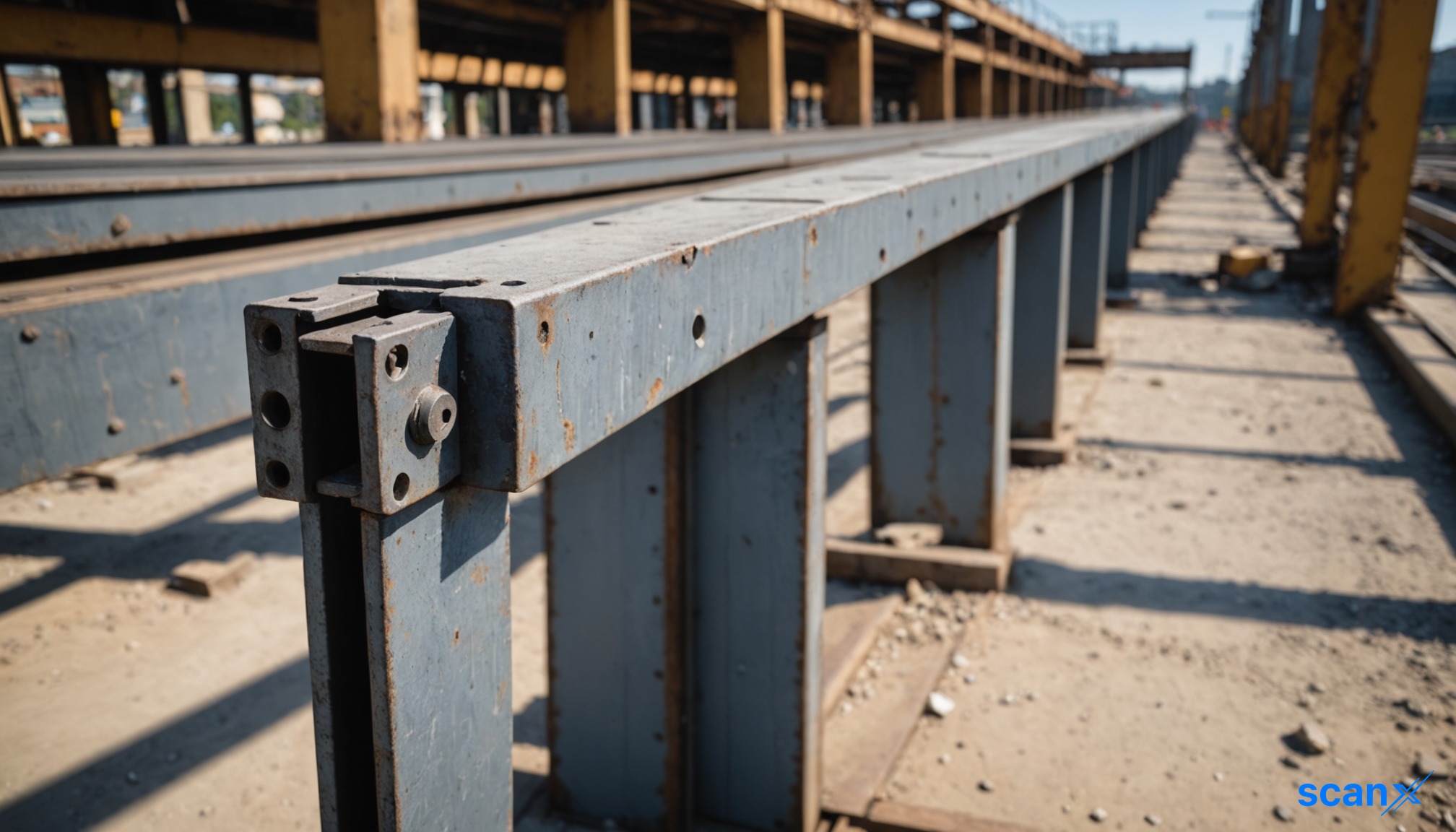
*this image is generated using AI for illustrative purposes only.
Vardhman Special Steels filed its Business Responsibility and Sustainability Report for FY26 with stock exchanges on August 25, 2026. The disclosure outlines the company’s environmental metrics, governance structures, and social initiatives for the financial year ending March 31, 2026.
Environmental Metrics
The company reported total energy consumption of 1,054,138 Gigajoules in FY26, up from 1,032,012 Gigajoules in FY25. Renewable sources contributed 35,274 Gigajoules, while non-renewable sources accounted for the remainder. Greenhouse gas emissions intensity stood at 0.737 metric tonnes of CO2 equivalent per tonne of billet production, compared to 0.730 metric tonnes in the prior year.
Water withdrawal increased to 264,529 kilolitres from 232,799 kilolitres in FY25, entirely sourced from groundwater. Total waste generated fell to 59,214.53 metric tonnes from 72,984.04 metric tonnes in FY25.
| Metric | FY26 | FY25 |
|---|---|---|
| Total Energy Consumption (GJ) | 1,054,138 | 1,032,012 |
| GHG Intensity (tCO2e/MT) | 0.737 | 0.730 |
| Water Withdrawal (KL) | 264,529 | 232,799 |
| Total Waste Generated (MT) | 59,214.53 | 72,984.04 |
Capital Expenditure and Initiatives
Capital expenditure directed toward improving environmental and social impacts rose sharply to 58.79% of total capex in FY26, compared to 0% in FY25. This shift reflects investments in infrastructure such as an Effluent Treatment Plant and upgraded Fume Extraction Systems.
The company commissioned a 40 MW AC solar power plant in February 2026. Management stated this facility meets approximately 40% of total energy requirements, generating nearly 9 crore units of clean energy annually. Additionally, the company eliminated furnace oil consumption, switching to natural gas for ladle heating and replacing steam boilers with electric pumps.
Social and Governance Disclosures
Corporate Social Responsibility spending reached ₹2.76 crore in FY26. Key initiatives included providing artificial limbs to 1,453 beneficiaries and supporting digital literacy for 1,364 women micro-entrepreneurs. The workforce comprised 477 permanent employees and 1,532 workers. Female representation on the Board of Directors was 21.43%, while Key Managerial Personnel included 33.33% female representation.
Safety metrics showed a Lost Time Injury Frequency Rate of 1.60 per million person-hours for workers, up from 1.23 in FY25. No fatalities were reported. The company incurred penalties totaling approximately ₹12 lakh across three regulatory cases related to tax compliance, all of which were appealed except one minor profession tax penalty.
What the Numbers Show
The divergence between rising water withdrawal (+13.6% YoY) and declining waste generation (-18.9% YoY) suggests operational scaling that is more resource-intensive in terms of water but more efficient in material yield or process optimization. Simultaneously, the jump in green capex from 0% to 58.79% indicates a strategic pivot toward decarbonization infrastructure, aligning with the commissioning of the solar plant.
Historical Stock Returns for Vardhman Special Steels
| 1 Day | 5 Days | 1 Month | 6 Months | 1 Year | 5 Years |
|---|---|---|---|---|---|
| -2.90% | -1.06% | -8.97% | +43.82% | +32.59% | 0.0% |

How will the 40 MW solar plant's contribution of 40% to energy needs impact Vardhman Special Steels' long-term energy cost structure and carbon footprint reduction targets?
What specific operational changes or infrastructure upgrades are planned to address the 13.6% year-over-year increase in groundwater withdrawal?
Could the rise in Lost Time Injury Frequency Rate from 1.23 to 1.60 signal emerging safety risks that might affect future production efficiency or regulatory compliance?
 17
17






 Access 50+ Readymade Screeners
  Use 200+ Custom Filters
  Get Full Market Insights





