Uber fined $966 million by Dutch regulators over automated driver suspensions

scanx
Reviewed by
Jubin VScanX News Team
Key Highlights
  • Uber fined $966 million by Dutch regulators for automated driver suspensions
  • Penalty covers 2018-2022 period following complaint filed in France
  • Second-largest GDPR fine after Meta's $1.4 billion penalty in 2023
  • Regulators cite lack of human oversight in account deactivation decisions
powered bylight_fuzz_icon
49107522

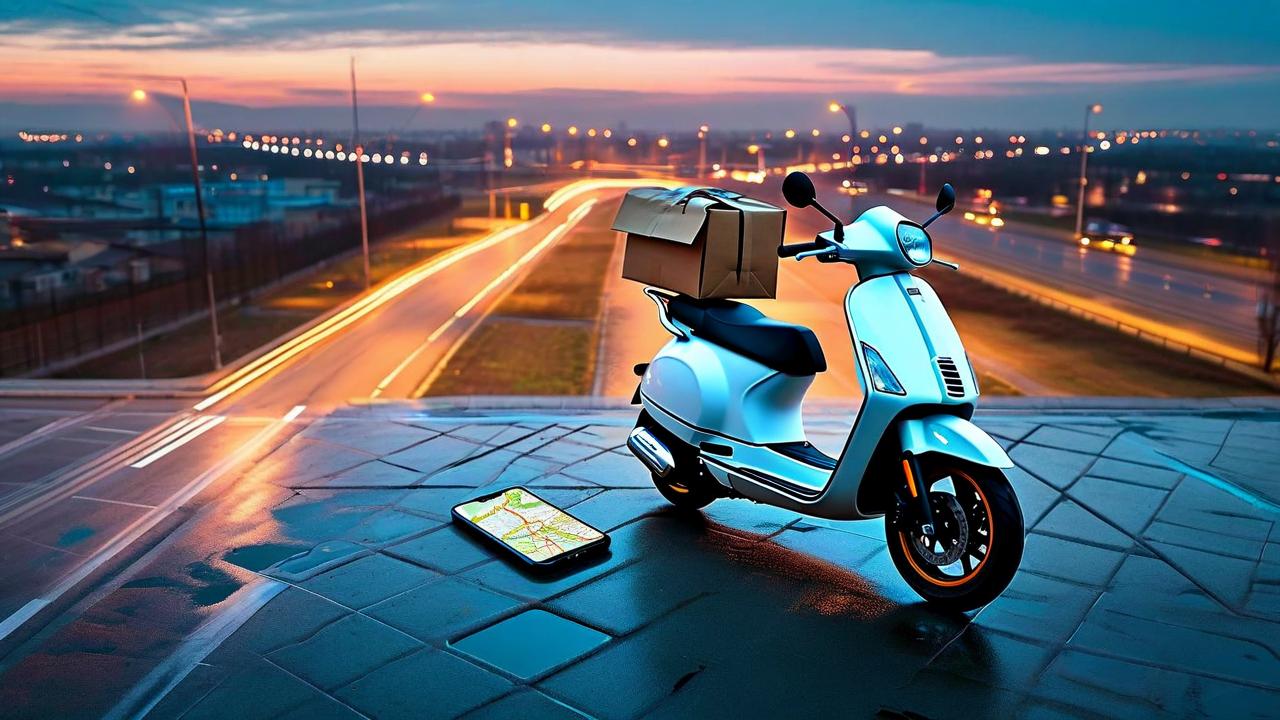
*this image is generated using AI for illustrative purposes only.

Uber Technologies Inc. (NYSE: UBER) faces a $966 million fine from Dutch regulators for using automated systems to suspend driver accounts without human oversight.

The penalty, imposed by the Dutch Data Protection Authority, covers the period from 2018 to 2022. It stems from a complaint filed in France, with jurisdiction exercised through Uber’s headquarters in the Netherlands.

Regulatory Ruling

Dutch Data Protection Authority Deputy Chair Monique Verdier stated that the company committed serious infringements. She emphasized that computers should not make autonomous decisions affecting people’s livelihoods.

This is the second-largest fine under the General Data Protection Regulation (GDPR). It follows a $1.4 billion penalty imposed on Meta Platforms Inc. (NASDAQ: META) in 2023.

What the Numbers Show

The scale of the penalty highlights the financial risk of non-compliance with GDPR. The $966 million figure represents a significant regulatory cost, underscoring the severity with which European authorities view automated decision-making processes that impact worker status.

Broader Context

Uber recently announced partnerships to expand its autonomous vehicle and drone delivery services:

  • A partnership with Baidu Inc.’s (NASDAQ: BIDU) Apollo Go to bring fully-autonomous Robotaxis to Dubai.
  • Plans to expand Robotaxi services in Japan.
  • A collaboration with Zipline for drone food delivery across the U.S.

Meanwhile, California Gov. Gavin Newsom praised the California Gig Workers Union after it secured support to represent Uber and Lyft Inc. (NASDAQ: LYFT) drivers statewide.

Uber did not immediately respond to requests for comment.

Disclaimer: This article is AI-generated using data from ViewTrade. ScanX is not liable for any inaccuracies.

How might this $966 million GDPR fine influence Uber's operational costs and pricing strategies for its European ride-hailing services?

Will Uber overhaul its automated driver suspension algorithms to include mandatory human oversight, and what impact would this have on platform efficiency?

Could this ruling set a precedent that increases regulatory scrutiny on other tech giants using AI for workforce management decisions?

like19
dislike

Uber launches Baidu’s driverless Apollo Go robotaxis in Dubai

scanx
Reviewed by
Shriram SScanX News Team
Key Highlights

Uber and Baidu have initiated the first operational phase of their strategic partnership by launching fully driverless Apollo Go robotaxis in Dubai. Operated by New Horizon Luxury Transport, the service uses sixth-generation RT6 vehicles in select areas of Umm Suqeim and Jumeirah. This deployment supports Uber’s broader goal of integrating thousands of AVs into its global network, leveraging Baidu’s extensive autonomous driving data from 28 cities worldwide.

powered bylight_fuzz_icon
48753372

*this image is generated using AI for illustrative purposes only.

Uber Technologies Inc (NYSE: UBER) and Baidu Inc (NASDAQ: BIDU) launched fully driverless Apollo Go robotaxis on Uber’s platform in Dubai on Thursday. The launch marks the first deployment under the companies’ multi-year partnership. New Horizon Luxury Transport will operate the fleet.

Riders in Dubai requesting UberX or Uber Comfort may be matched with a fully driverless Apollo Go vehicle. To increase the likelihood of being matched with a robotaxi, riders can select the dedicated "Autonomous" option in the Uber app. At initial launch, the service is available in select locations in Umm Suqeim and Jumeirah, with plans to expand the operating territory in the future.

Partnership Milestones

This launch represents the inaugural step in a strategic partnership between Uber and Baidu. Dubai serves as the launchpad for scaling thousands of Apollo Go vehicles across Uber’s global network. The collaboration reinforces Uber’s position as a platform for autonomous vehicles (AVs) and demonstrates its multi-partner vision on public roads.

Sarfraz Maredia, Global Head of Autonomous at Uber, stated that bringing the partnership to life is a major step forward in expanding autonomous mobility globally. He noted that combining advanced autonomous technology with Uber’s global marketplace can accelerate an electric, shared, and autonomous future. "Launching in Dubai marks the first time our multi-partner vision comes to life on public roads," Maredia said.

Nan Yang, Vice President of Baidu and General Manager of Overseas Business Unit, Intelligent Driving Group, described the launch as a meaningful milestone. He highlighted that Dubai is the first city where Baidu has successfully established a dual-model offering both self-operated and partner-based autonomous ride-hailing services internationally.

Vehicle Specifications

The service utilizes Apollo Go’s sixth-generation RT6, a purpose-built, fully electric robotaxi designed for fully driverless operations. Each vehicle accommodates up to three passengers and is equipped with more than 30 sensors for comprehensive perception of its surroundings and real-time onboard data processing.

Operational Scale

Apollo Go brings experience in large-scale, real-world deployment to the partnership. To date, Apollo Go has spanned 28 cities globally. Its fleets have accumulated over 350 million autonomous kilometers, including over 240 million fully driverless autonomous kilometers, with an outstanding safety record.

Uber maintains that safety remains its top priority. All autonomous vehicles, including Baidu’s Apollo Go, must adhere to Uber’s stringent Safety Guidelines before operating on the network. Uber currently has more than 30 AV partners and completes millions of autonomous trips each year, building what it describes as the industry’s first hybrid network where autonomous vehicles and drivers work side by side.

Market Reaction

Baidu shares were up 0.34% at $93.19 and Uber Technologies shares were up 0.21% at $78.20 during premarket trading on Thursday.

Disclaimer: This article is AI-generated using data from ViewTrade. ScanX is not liable for any inaccuracies.

How might the success of the Dubai pilot influence Uber's strategy for integrating autonomous vehicles into its existing hybrid network in other major global cities?

What regulatory hurdles could Apollo Go face when expanding from Dubai's controlled environment to more complex traffic conditions in other international markets?

Could the dual-model offering of self-operated and partner-based services in Dubai serve as a replicable blueprint for Baidu's future overseas expansions?

like17
dislike

More News on Uber