

Uber partners with Zipline to expand US drone delivery network


Uber Technologies and Zipline have formed a strategic partnership to launch drone delivery on Uber Eats later this year, aiming for 1 million daily deliveries by 2029. This move follows Uber's exit from its Serve Robotics stake amid operational disagreements. Analysts maintain a Buy consensus with an average price target of $103.95, though the stock remains down 19.14% over the past year.


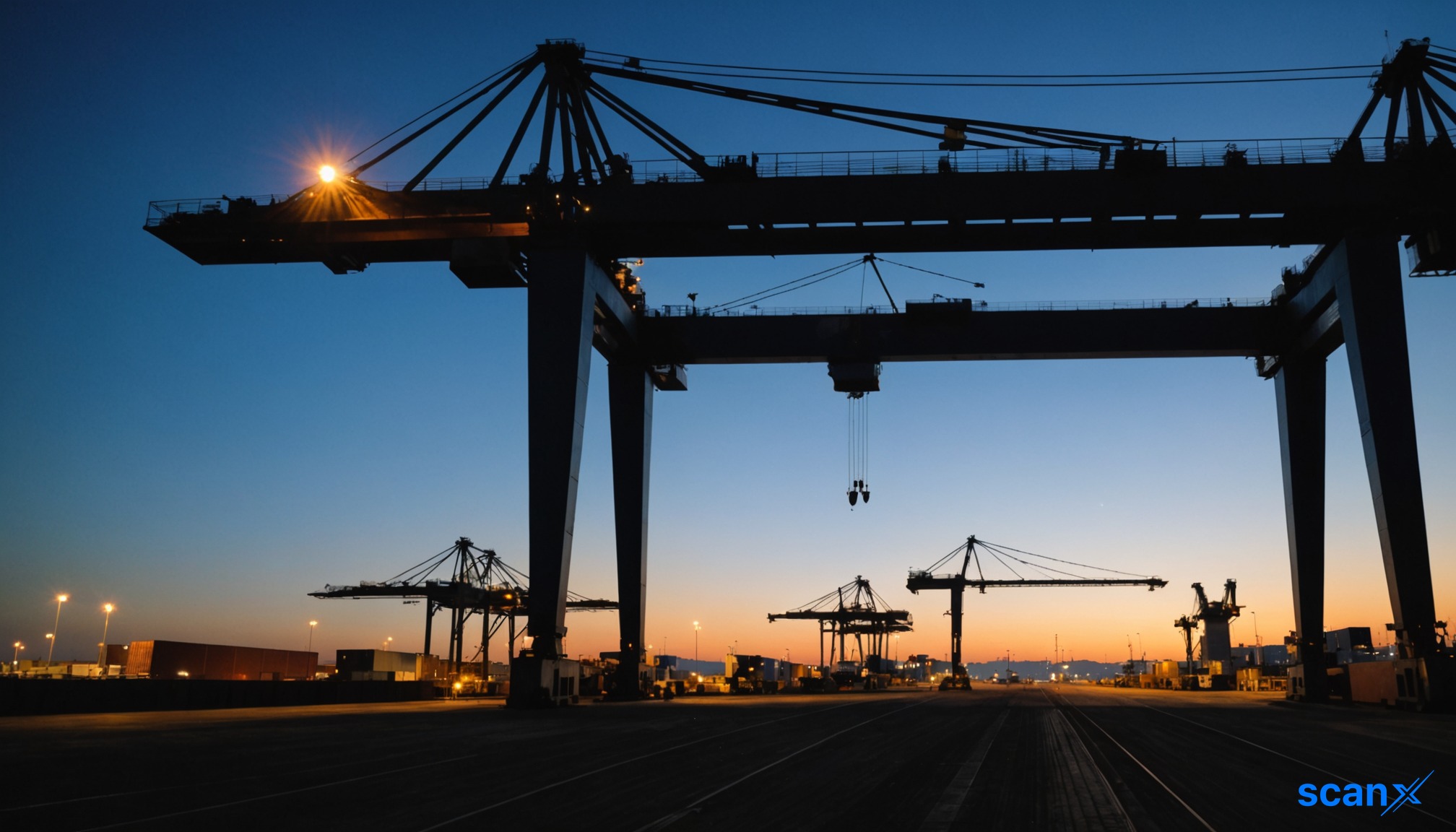
*this image is generated using AI for illustrative purposes only.
Uber Technologies Inc. (NYSE: UBER) and autonomous delivery company Zipline announced a strategic partnership on Monday to expand drone delivery services across the United States. The collaboration aims to integrate Zipline’s technology into the Uber Eats platform, launching later this year in markets where Zipline already operates before expanding to dozens of additional US cities.
As part of the agreement, Uber made a strategic investment in Zipline. The companies stated a joint goal of achieving 1 million drone deliveries per day by the end of 2029. This move adds drones to Uber’s existing delivery ecosystem, which currently relies on human couriers and sidewalk robots.
Strategic Shift In Autonomous Delivery
The partnership with Zipline coincides with Uber winding down its involvement with another autonomous delivery provider. Uber recently sold its remaining stake in Serve Robotics Inc. (NASDAQ: SERV), its sidewalk robot partner since 2022.
Uber and Serve had expanded their partnership in 2023 to cover up to 2,000 robots across several US cities. However, Serve CEO Ali Kashani cited "differing views" regarding the shared autonomous fleet and operating model. Serve has indicated that the partnership may not be renewed after it expires in 2027.
Operational Scale Of Zipline
Zipline brings significant operational history to the partnership. The company has completed more than 2.7 million deliveries and flown over 135 million autonomous miles. Its operations span four continents, serving more than 5,000 hospitals and health facilities.
What The Numbers Show
The partnership highlights a divergence in Uber’s autonomous delivery strategy. While the company is exiting a ground-based robot partnership due to operational disagreements, it is doubling down on aerial delivery through a capital investment in Zipline. The target of 1 million daily deliveries by 2029 represents a specific volume milestone for this new segment, distinct from Uber’s broader, existing courier network.
Technical And Market Context
Uber shares edged higher on Monday as the broader market traded mixed. The Nasdaq gained 0.16%, while the S&P 500 fell 0.17%. The Industrials sector rose 0.43%.
The stock is trading above its 20-day, 50-day, and 100-day simple moving averages of $72.23, $72.33, and $73, respectively. However, it remains about 2% below its 200-day SMA of $77.50. The Moving Average Convergence Divergence (MACD) indicator is above its signal line, with a positive histogram, pointing to improving short-term momentum.
Despite recent gains, Uber remains down 19.14% over the past 12 months. Traders may watch $78.50 as resistance and $69.50 as support.
Analyst Outlook
Uber carries a Buy consensus rating with an average price forecast of $103.95. Recent analyst actions include:
- Roth Capital lowered its price forecast to $100 while maintaining a Buy rating on Aug. 10.
- Jefferies raised its forecast to $110 and maintained a Buy rating on Aug. 10.
- DA Davidson lowered its forecast to $100 while keeping a Buy rating on Aug. 6.
ETF Exposure
Uber is a major holding in several exchange-traded funds, including:
- Invesco Nasdaq Internet ETF (NASDAQ: PNQI)
- Pacer U.S. Cash Cows Growth ETF (NYSEARCA: BUL)
- Pathfinder Focused Opportunities ETF (NASDAQ: PFOE)
Significant inflows or outflows from these funds could affect demand for Uber shares. At the time of publication, Uber shares were up 0.03% at $75.97.

How might the shift from ground-based robots to aerial drones impact Uber's unit economics and delivery speed metrics compared to its current human courier model?
What regulatory hurdles could delay Zipline's expansion into the 'dozens of additional US cities' mentioned in the partnership agreement?
Could the dissolution of the Serve Robotics partnership signal a broader industry trend away from sidewalk robots due to urban infrastructure or safety concerns?
 20
20







 Access 50+ Readymade Screeners
  Use 200+ Custom Filters
  Get Full Market Insights





