Uber partners with Zipline for drone delivery, Hinomaru for robotaxis

scanx
Reviewed by
Naman SScanX News Team
Key Highlights

Uber Technologies Inc. is deepening its focus on autonomous logistics with a Zipline partnership for drone deliveries and a Hinomaru Kotsu deal for Tokyo robotaxis. While exiting Serve Robotics, Uber targets 1 million daily drone deliveries by 2029. Shares rose 0.79% to $75.58.


powered bylight_fuzz_icon
48626850

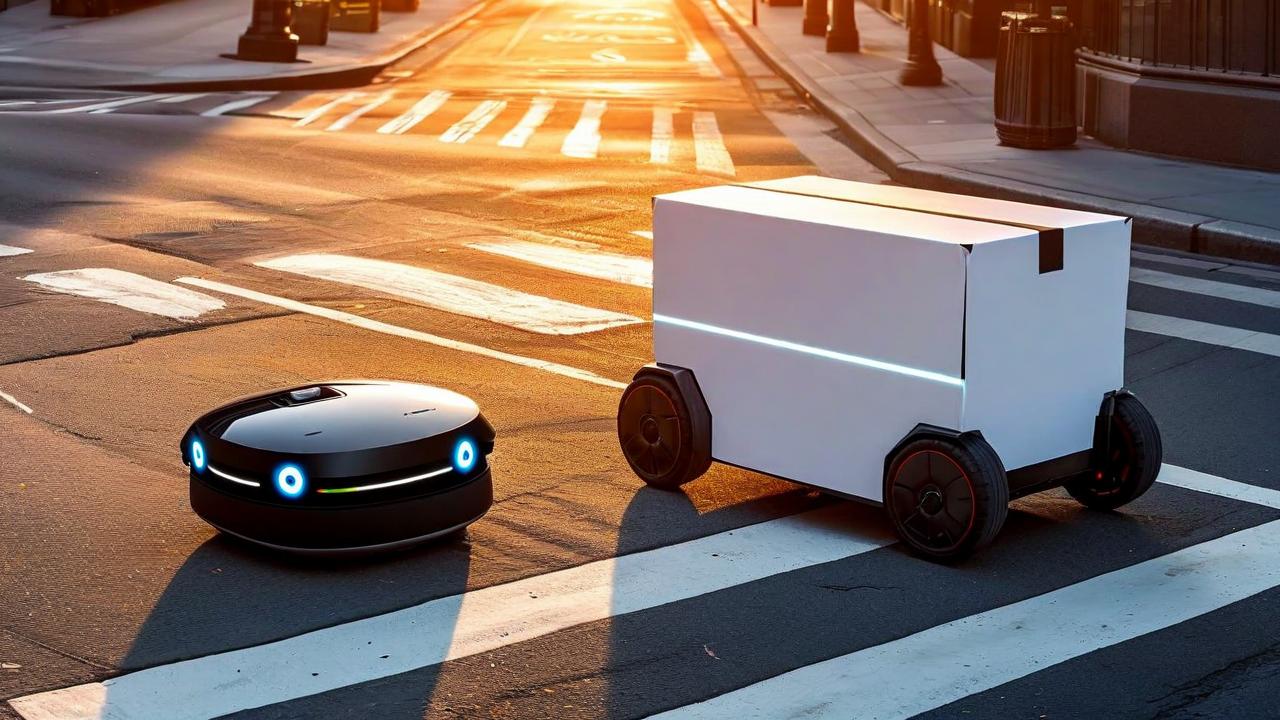
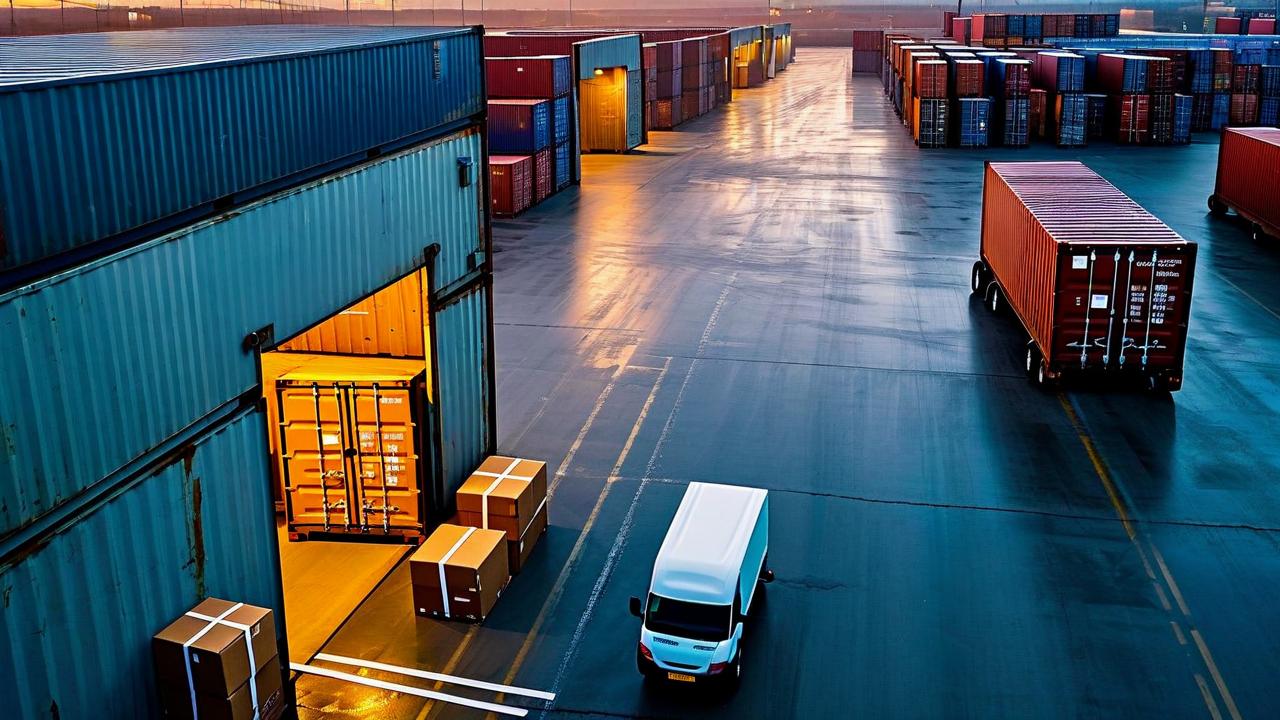
*this image is generated using AI for illustrative purposes only.

Uber Technologies Inc. (NYSE: UBER) is expanding its autonomous operations through new partnerships in drone delivery and robotaxis, as shares held steady Tuesday afternoon. The company announced a landmark agreement with Zipline to integrate drone deliveries into Uber Eats, alongside a separate initiative to launch autonomous rideshare services in Tokyo.

Drone Delivery Expansion

Uber announced on Monday a partnership with Zipline to launch drone deliveries on Uber Eats. The initiative will roll out in existing markets before expanding to dozens of U.S. cities. Uber has made a direct strategic investment in the joint venture.

The partnership aims to achieve 1 million daily drone deliveries by 2029. Concurrently, Uber exited its position in sidewalk robot firm Serve Robotics Inc. due to differing strategic vision.

Tokyo Robotaxi Pilot

The company is advancing its international autonomous rideshare efforts through an agreement with Tokyo-based Hinomaru Kotsu. Scheduled for late 2026, the Tokyo pilot will utilize Nissan LEAF vehicles integrated with Wayve’s AI Driver software.

Hinomaru Kotsu will oversee physical fleet management and safety drivers for the initiative.

Market Reaction

Uber Technologies shares were up 0.79% at $75.58 at the time of publication on Tuesday, according to Benzinga Pro data. The stock is trading near recent lows as investors weigh the company’s latest expansion into autonomous delivery and robotaxis.

Disclaimer: This article is AI-generated using data from ViewTrade. ScanX is not liable for any inaccuracies.

How might Uber's exit from Serve Robotics impact its overall ground-based autonomous delivery strategy and timeline?

What regulatory hurdles could delay the 2029 target of 1 million daily drone deliveries across U.S. cities?

Will the Tokyo robotaxi pilot with Wayve and Nissan serve as a template for broader international expansion in Asia?

like17
dislike

California grants Uber, Lyft drivers union rights under new law

scanx
Reviewed by
Anirudha BScanX News Team
Key Highlights

California Governor Gavin Newsom praised the SEIU and CGWU for representing Uber and Lyft drivers, affecting over 800,000 workers. The move allows collective bargaining for wages and benefits as both companies expand autonomous vehicle operations. This follows similar unionization efforts in Massachusetts.

powered bylight_fuzz_icon
48583782

*this image is generated using AI for illustrative purposes only.

Governor Gavin Newsom (D-CA) has endorsed the move by the Service Employees International Union (SEIU) and the California Gig Workers Union (CGWU) to represent drivers working for ride-hailing platforms Uber Technologies Inc. (NYSE: UBER) and Lyft Inc. (NASDAQ: LYFT). In a post on X on Monday, Newsom described the development as "an amazing new day for Californians working as rideshare drivers," noting that the right to unionize was established less than a year after California enacted the relevant law.

The legislation enables more than 800,000 drivers to exercise the legally protected choice to unionize and participate in collective bargaining regarding wages, benefits, and working conditions. According to a statement from the CGWU on Friday, this development will establish the organization as the largest union of gig rideshare drivers globally, subject to a 30-day waiting period. The SEIU confirmed that it had reached the necessary support threshold to represent drivers from both companies.

Newsom contrasted this legislative progress with broader national trends, stating that "at a time when workers’ rights are under attack and families across the country are struggling with affordability because of the Trump administration, California is showing what it means to stand with working people."

Autonomous Vehicle Developments

The push for unionization coincides with significant strategic shifts in autonomous driving for both ride-hailing giants. Uber has expanded its Robotaxi service in Japan and announced a partnership with drone delivery company Zipline to facilitate food deliveries via its Uber Eats platform across the United States. The company has outlined a hybrid approach that incorporates both human drivers and autonomous vehicles, while reportedly ending its partnership with Alphabet Inc.-backed Waymo in 2028.

Lyft’s autonomous efforts have been less pronounced but include a collaboration with Baidu Inc.-backed Apollo Go. Apollo Go recently began testing its Robotaxis in London in partnership with both Lyft and Uber.

Political Context

The unionization drive in California follows similar efforts in other states. Earlier this year, Senator Bernie Sanders (I-VT) praised the unionization of ride-sharing drivers for Uber and Lyft in Massachusetts, where the union represents approximately 70,000 drivers. Sanders has also advocated for fair wages for platform workers.

Disclaimer: This article is AI-generated using data from ViewTrade. ScanX is not liable for any inaccuracies.

How might the establishment of the largest global gig rideshare union in California influence labor negotiations and driver compensation models for Uber and Lyft in other states?

What impact could increased labor costs from collective bargaining have on the profitability and valuation of Uber and Lyft as they simultaneously invest heavily in autonomous vehicle technologies?

Will the transition to a hybrid model of human drivers and robotaxis create new categories of employment disputes regarding which workers are eligible for union representation?

like15
dislike

More News on Uber