

Transworld Shipping confirms dispatch of postal ballot for $42.78m vessel buy


- Postal ballot notice dispatched on September 22, 2026, for vessel acquisitions
- Aggregate consideration capped at $42.78 million for two container vessels
- E-voting period runs from September 24 to October 23, 2026
- Vessels OEL Surya and OEL Varun are 2006-built with capacities of 2,748 and 2,478 TEUs

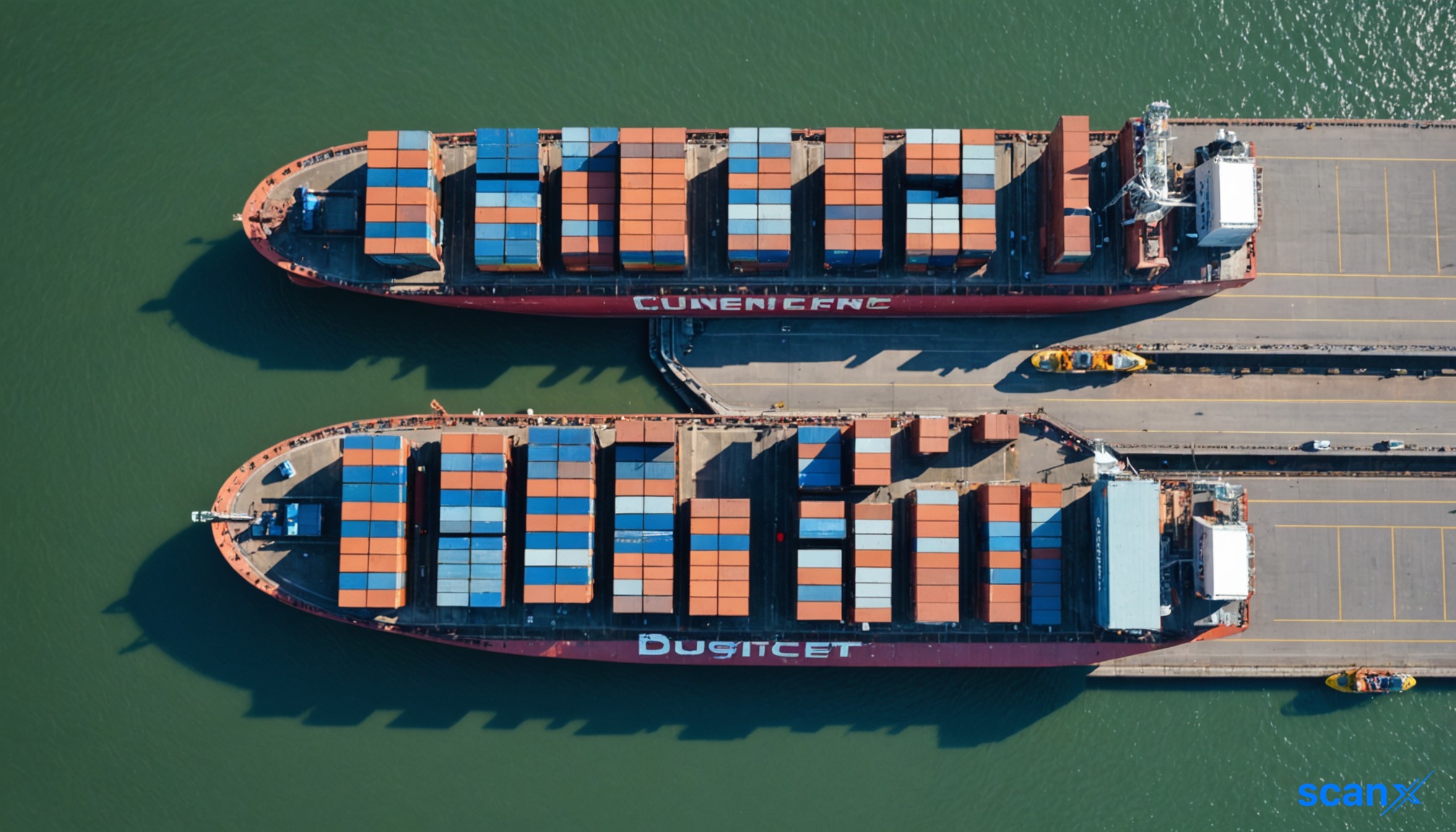

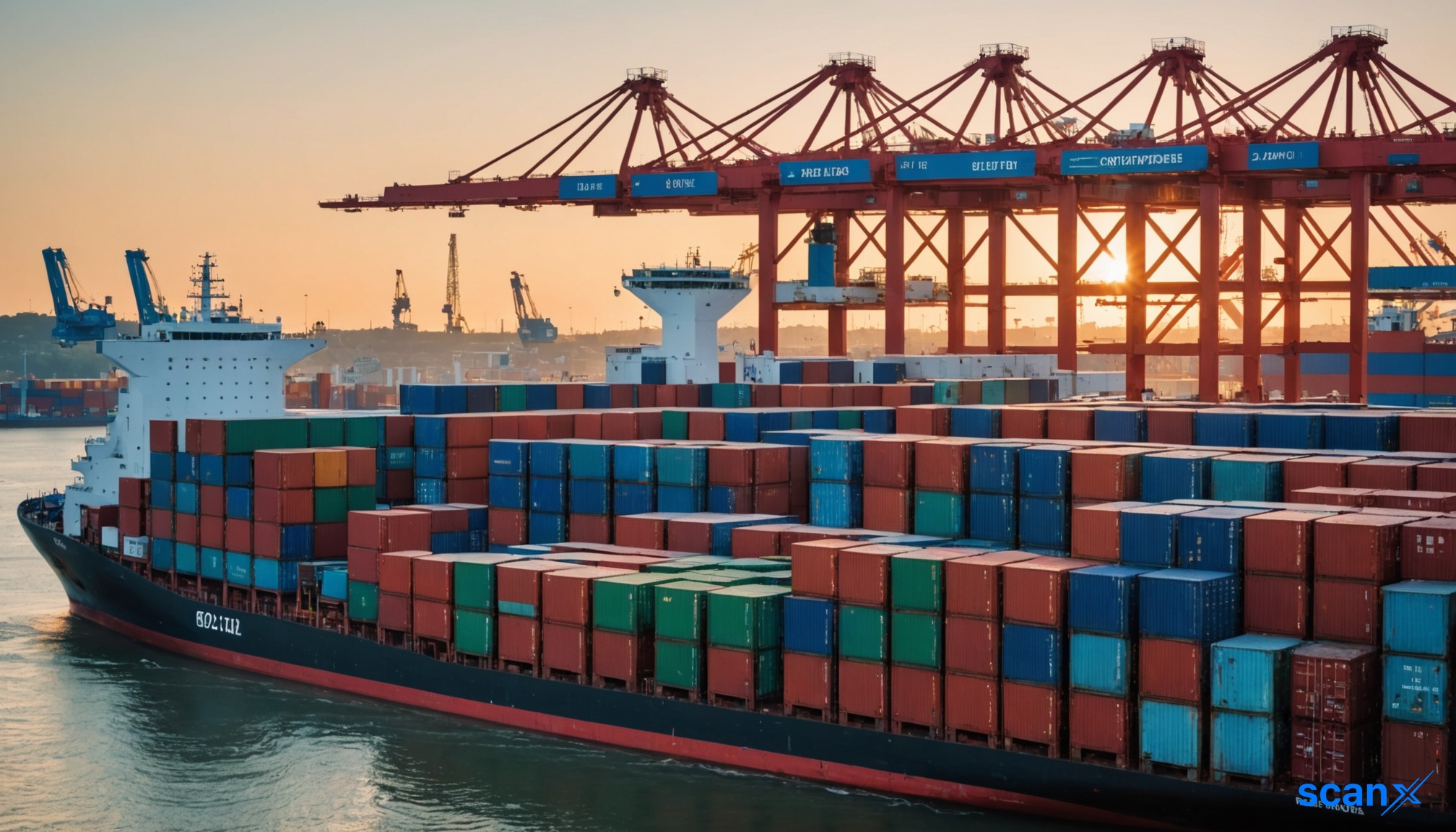
*this image is generated using AI for illustrative purposes only.
Transworld Shipping Lines Limited has confirmed the dispatch of its postal ballot notice on September 22, 2026, seeking shareholder approval to acquire two container vessels from Orient Express Lines Inc. for an aggregate consideration not exceeding $42.78 million.
The acquisitions, proposed through its wholly owned subsidiary Transworld Sea-Connect IFSC Private Limited, mark a strategic expansion into container tonnage alongside its existing dry bulk fleet. The transactions are classified as material related party transactions under SEBI (Listing Obligations and Disclosure Requirements) Regulations, 2015, as Orient Express Lines Inc. is part of the promoter group.
Vessel acquisition details
The proposed acquisitions involve two 2006-built container vessels with capacities of 2,748 TEUs and 2,478 TEUs respectively. Both vessels are currently employed under charter arrangements with first-class charterers at rates lower than prevailing market levels. The company stated that this structure allows for the acquisition of quality assets at attractive valuations while ensuring contracted employment until the charters expire in December 2027 or January 2028.
| Vessel Name | IMO Number | Capacity | Year of Build | Consideration Cap |
|---|---|---|---|---|
| OEL Surya | 9320013 | 2,748 TEUs | 2006 | $22.03 million |
| OEL Varun | 9320001 | 2,478 TEUs | 2006 | $20.75 million |
| Aggregate | - | - | - | $42.78 million |
Strategic rationale and funding
The company noted that suitable container vessels are scarce in the international market, with quality assets being acquired quickly by major participants. By targeting vessels with existing charter commitments, Transworld aims to capitalize on future earnings upside once these contracts expire. The Acquiring Entity will have the flexibility to deploy the vessels at market charter rates post-expiry, subject to market conditions.
The funding for these acquisitions is expected to come from internal accruals, equity contribution, borrowings, or a combination thereof. The Audit Committee and Board of Directors approved the transactions on September 7, 2026, subject to member approval.
Voting process and timeline
Shareholders can vote through remote e-voting commencing on September 24, 2026, at 10:00 am and ending on October 23, 2026, at 5:00 pm. The cut-off date for determining voting rights was Monday, September 7, 2026. MUFG Intime India Private Limited (formerly known as Link Intime India Private Limited) has been engaged to provide the e-voting facility. Results are expected to be announced on or before October 25, 2026.
What the numbers show
The aggregate consideration of $42.78 million represents a significant capital outlay relative to the vessel ages, both built in 2006. However, the presence of existing charters expiring in late 2027/early 2028 provides immediate revenue visibility while potentially undervaluing the asset's long-term earning power if market rates remain elevated. This structure mitigates immediate operational risk but exposes the company to re-chartering risk upon contract expiry.
Historical Stock Returns for Transworld Shipping Lines
| 1 Day | 5 Days | 1 Month | 6 Months | 1 Year | 5 Years |
|---|---|---|---|---|---|
| -0.12% | +6.13% | -0.29% | +3.76% | -34.88% | 0.0% |

How will the re-chartering of the vessels in late 2027 impact Transworld's earnings if global container freight rates decline from current levels?
What specific financing mix will Transworld adopt for the $42.78 million acquisition, and how might it affect the company's debt-to-equity ratio?
Will the shift toward container tonnage alter Transworld's risk profile compared to its existing dry bulk operations amid fluctuating trade volumes?
 16
16







 Create Custom Screeners
  Access 200+ Pre-built Filters
  Use 50+ Readymade Screener





