

Sundram Fasteners Reports Record PAT of INR 577 Crores


Sundram Fasteners Limited achieved its highest-ever profit after tax of INR 577 crores for the financial year ended March 31, 2026. Revenue increased by 7% to INR 5,612 crores, while profit before exceptional items grew by 12% to INR 750 crores. The company benefited from stable raw material costs, a reversal of impairment provisions, and a recovery in exports during Q4. Management expressed optimism for double-digit growth in the coming years, supported by expansion in non-automotive sectors like railways and aerospace.

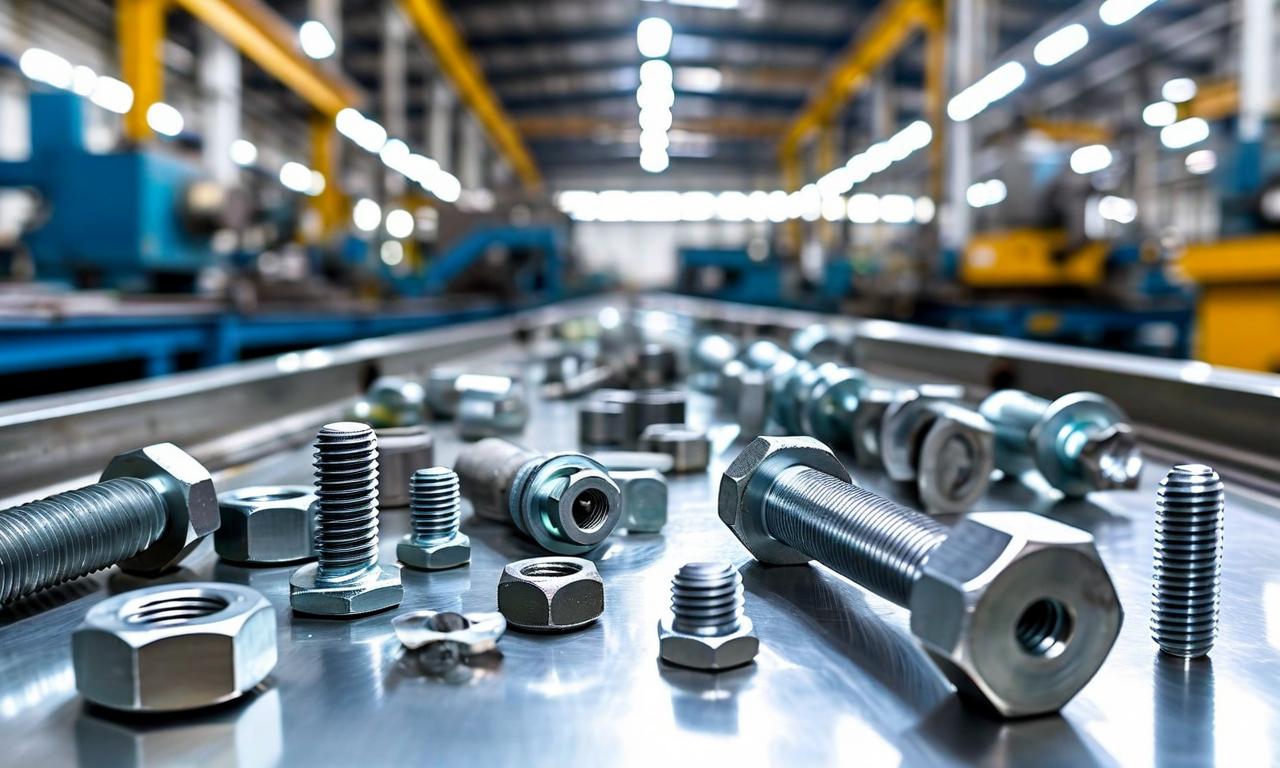

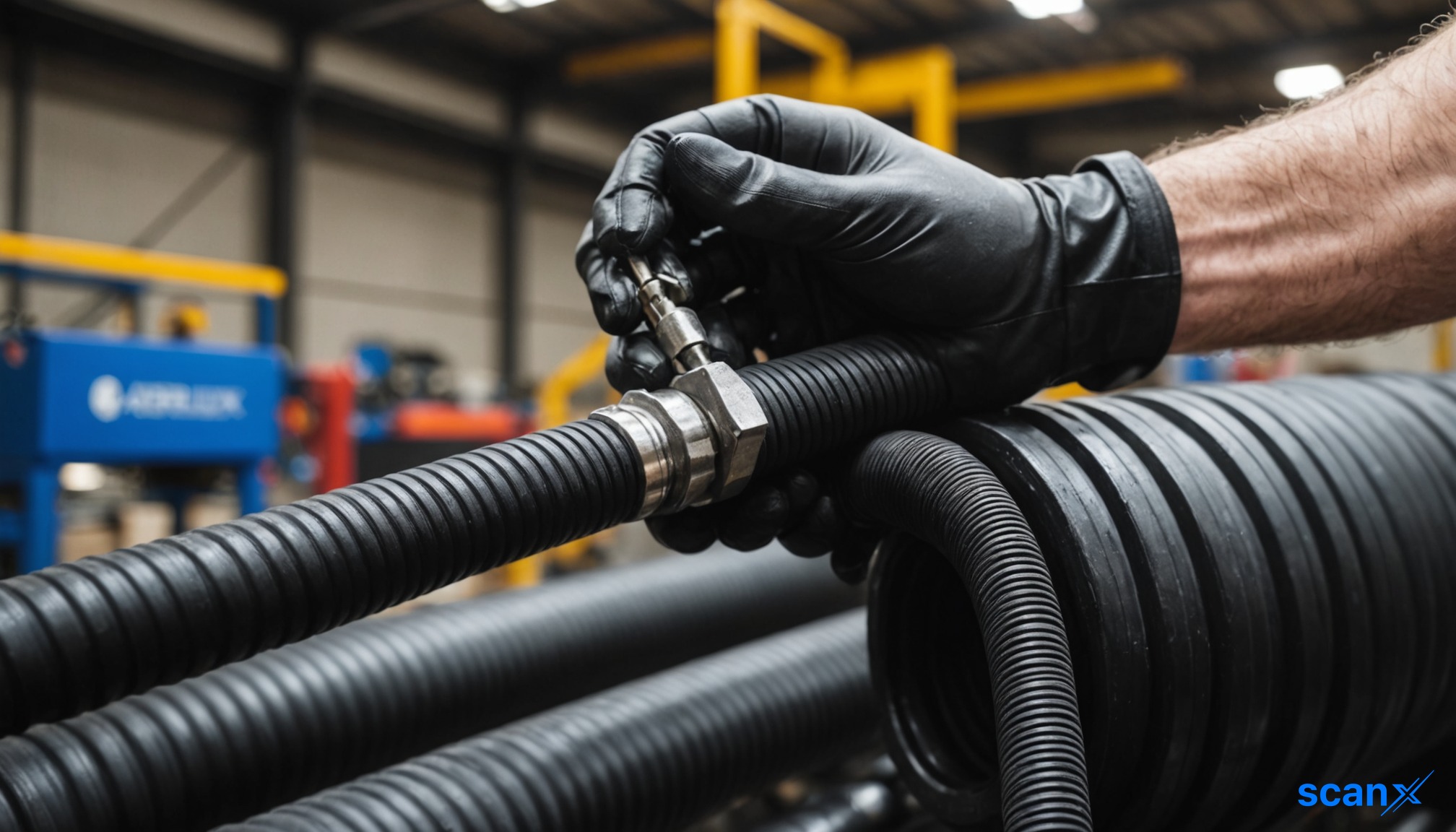
*this image is generated using AI for illustrative purposes only.
Sundram Fasteners Limited has announced its financial results for the year ended March 31, 2026, reporting a profit after tax (PAT) of INR 577 crores. This figure represents the highest annual profit in the company's history, compared to INR 517 crores in the previous year. The company recorded a 7% growth in revenue, moving from INR 5,231 crores to INR 5,612 crores, driven by strong performance in the overseas subsidiaries and the Construction segment.
Financial Performance Overview
The profit before exceptional items grew by 12% to INR 750 crores, up from INR 668 crores in the prior year. This growth was supported by operating leverage and stable raw material prices, although the company experienced some inflation in nickel and aluminium costs following geopolitical conflicts. The company also reversed an impairment provision made in earlier years, which contributed to the exceptional items.
| Metric | FY26 Value | YoY Change |
|---|---|---|
| Revenue from Operations | INR 5,612 crores | 7% |
| Profit Before Exceptional Items | INR 750 crores | 12% |
| Profit After Tax | INR 577 crores | - |
Operational Highlights
The Original Equipment (OE) segment demonstrated significant strength, with the retail vertical recording close to a 20% increase compared to the corresponding quarter. Exports, which had moderated due to tariff issues, returned to positive territory in Q4 FY26, growing in both dollar and rupee terms. The EBITDA for the quarter stood at INR 261 crores at a margin of 17%, compared to 15.6% in the corresponding quarter of the previous year.
Strategic Outlook
Management indicated that the outlook remains strong, particularly in the domestic market. The company is targeting double-digit growth in the coming two years. On the non-automotive front, Sundram Fasteners is expanding into railways and aerospace, with current monthly revenues in the railway segment around INR 2-3 crores, expected to rise. The company continues to invest in capacity expansion, with capital allocation typically around INR 300 crores annually.
Historical Stock Returns for Sundram Fasteners
| 1 Day | 5 Days | 1 Month | 6 Months | 1 Year | 5 Years |
|---|---|---|---|---|---|
| +1.76% | +0.37% | -10.14% | +44.54% | +12.34% | +19.29% |

How might the 50% reduction in EV projections by General Motors and Stellantis reshape Sundram Fasteners' long-term product portfolio strategy, particularly for ICE-specific components?
Given the company's ambition to grow non-auto revenue to 50% of total sales, what acquisition or partnership opportunities could accelerate entry into aerospace and defense segments beyond organic growth?
With export growth guided at 15–20% for FY27, how exposed is Sundram Fasteners to potential escalation in US tariffs on Indian auto components, and what hedging strategies are in place?
 16
16






 Access 50+ Readymade Screeners
  Use 200+ Custom Filters
  Get Full Market Insights





