

SK Hynix workers reject wage deal, triggering fresh negotiations


- SK Hynix union members voted 50.08% against a preliminary wage deal
- The rejected proposal offered a 6.3% wage hike and revised stock incentives
- Negotiations will restart, focusing on performance-based payment structures
- Union previously rejected similar agreements in 2023 and 2024
- U.S. officials urge Korean chipmakers to accelerate U.S. investments

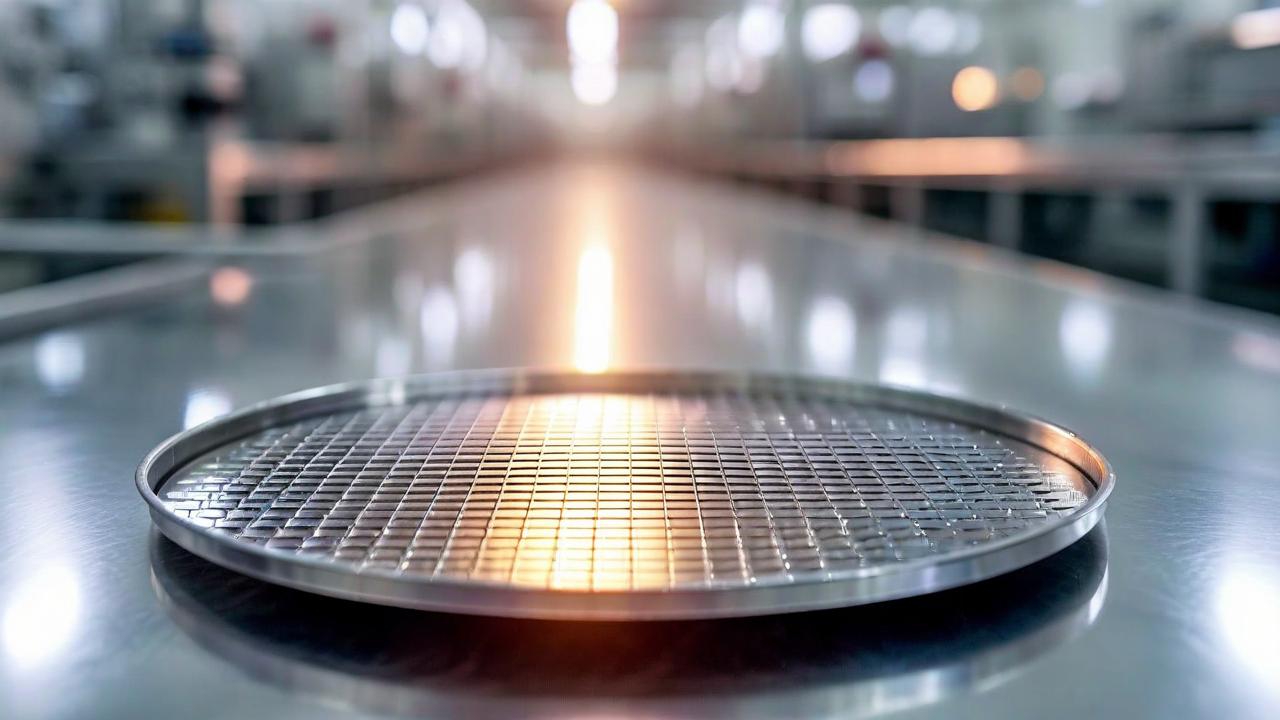

*this image is generated using AI for illustrative purposes only.
Employees at SK Hynix Inc (NASDAQ: SKHY) have rejected a preliminary wage agreement, forcing the company to restart labor negotiations. The vote highlights ongoing tensions between management and the union over compensation structures.
On Tuesday, the union held an electronic vote on the proposed deal. Participation was high, with 93.8% of union members casting ballots. However, 50.08% of voters, representing 7,535 members, voted against the agreement. This narrow rejection means the tentative accord reached after two months of discussions is void.
Proposed Terms and Rejection
The rejected proposal included a 6.3% wage increase and a revised structure for performance-based incentive payments. Under the plan, 40% of the incentive would have been paid in cash, while 60% would have been issued in company shares.
The stock portion had specific vesting rules: 40% would be available for sale in the year it was granted. The remaining 20% would be deferred and distributed in 10% installments over the following two years. Management and the union are now set to resume talks, with the performance-based incentive scheme expected to remain a primary sticking point.
Historical Context and Industry Pressure
This is not the first time SK Hynix has faced such a hurdle. The union also rejected tentative agreements in 2023 and 2024, leading to renewed discussions in those years as well. The pattern suggests persistent disagreement over non-wage components of compensation.
The development mirrors recent labor unrest at Samsung Electronics Co Ltd (OTC: SSNLF). Last week, Samsung’s union called off an 18-day strike involving nearly 48,000 members after securing a last-minute wage deal focused on bonus payouts. That agreement was subsequently put to a vote.
Meanwhile, external pressures mount for Korean chipmakers. U.S. officials have reportedly urged South Korea and its semiconductor firms to accelerate investments in U.S. memory-chip production to secure stable supplies. This pressure intensified after Seoul unveiled its $578.5 billion Honam Semiconductor Mega Project. Washington’s main concern appears to be delays in planned U.S. investments, a topic discussed during Trade Minister Kim Jeong-kwan’s recent visit to the U.S.

How might the prolonged labor negotiations impact SK Hynix's ability to meet its U.S. investment timelines and secure federal subsidies?
Could the rejection of the stock-heavy incentive structure signal a broader shift in employee preferences regarding equity compensation in the semiconductor sector?
What are the potential ripple effects on Samsung Electronics' pending wage agreement vote given SK Hynix's recent union stance?
 19
19













 Access 50+ Readymade Screeners
  Use 200+ Custom Filters
  Get Full Market Insights





