

SK Hynix shares rise 8% as leveraged ETFs surge on AI demand


SK Hynix shares rose 8.13% to $166.96, driving linked leveraged ETFs up approximately 18%. The rally was fueled by SanDisk's bullish outlook and Intel's interest in new memory architectures. Seven leveraged ETFs now track the stock, offering both long and short exposure.



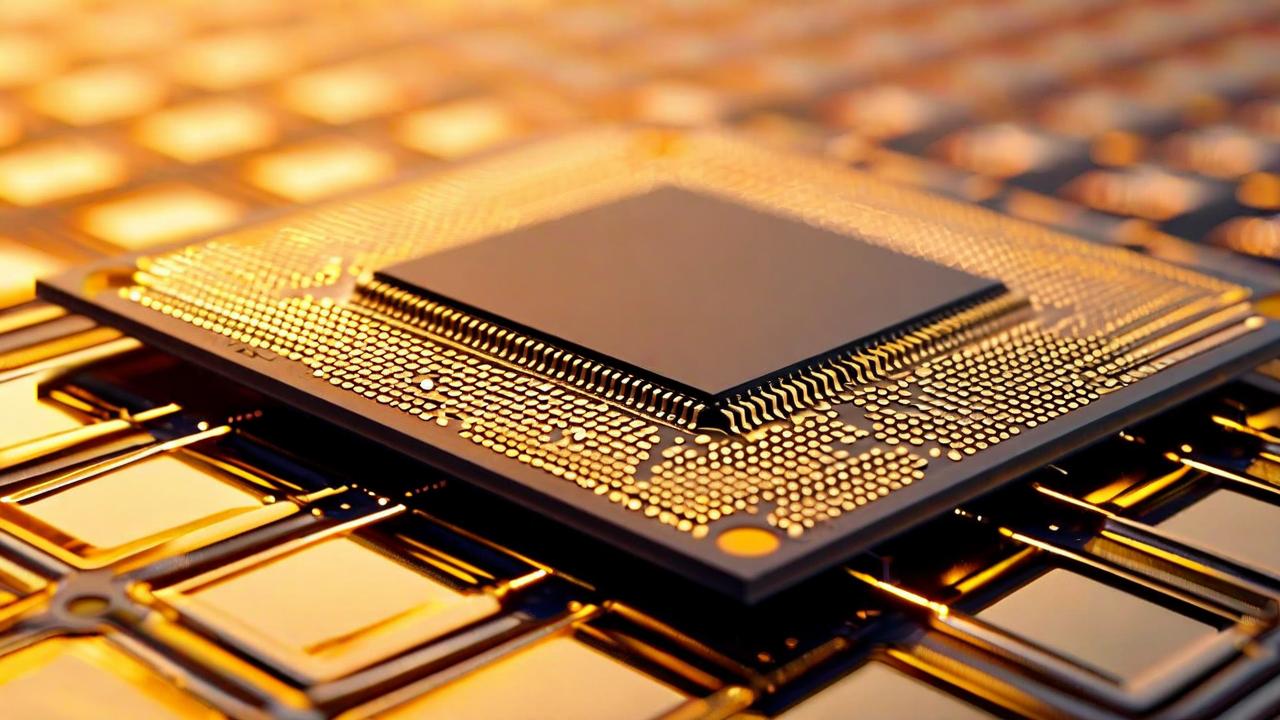
*this image is generated using AI for illustrative purposes only.
SK Hynix Inc. (NASDAQ: SKHY) shares rose 8.13% to $166.96 on Thursday, participating in a broad rally across the memory and storage sector. The movement was driven by renewed investor confidence in the memory chip industry, supported by strong earnings reports from the AI, cloud, and server sectors that reinforced expectations for robust demand.
The stock's performance provided a catalyst for traders utilizing leveraged exchange-traded funds tied to the company. There are currently seven U.S.-listed leveraged and inverse ETFs directly linked to SK Hynix. Five of these funds target 2X long exposure, while two are designed for bearish positions. Following SK Hynix's daily gain, each of the five 2X long ETFs gained around 18%.
Sector-Wide Gains and Catalysts
The rally was catalyzed by SanDisk Corp. (NASDAQ: SNDK), which unveiled a bullish multiyear financial outlook at its investor day. SanDisk outlined targets including an adjusted gross margin of about 80% and an adjusted free cash flow margin of roughly 50%. The company also plans to return 100% of excess cash to shareholders after investing in the business.
The positive sentiment spread across key players in the memory and storage space:
- Micron Technology Inc. (NASDAQ: MU) gained about 6%.
- Western Digital Corp. (NASDAQ: WDC) climbed about 8%.
- Seagate Technology Holdings PLC (NASDAQ: STX) advanced nearly 5%.
Broader market indices also posted gains, with the Nasdaq rising 1.31% and the S&P 500 increasing 0.64%.
Leveraged ETF Lineup
Traders have multiple vehicles to amplify exposure to SK Hynix's daily moves. The bullish lineup includes Leverage Shares 2X Long SK Hynix Daily ETF (BATS: SKHX), ProShares Ultra SK Hynix (NYSE: SKHU), Direxion Daily SK Hynix Bull 2X ETF (NYSE: SKHL), GraniteShares 2X Long SK Hynix Daily ETF (NASDAQ: SKUU), and T-REX 2X Long SKHY Daily Target ETF (NYSE: HYNX).
Bearish options are also available through Leverage Shares 1X Short SK Hynix Daily ETF (BATS: SKHZ) and GraniteShares 2X Short SK Hynix Daily ETF (NASDAQ: SKDD).
| ETF | Exposure | Expense Ratio |
|---|---|---|
| SKHX | +2X | 0.75% |
| SKHU | +2X | 0.95% |
| SKHL | +2X | 0.97% |
| HYNX | +2X | 1.25% |
| SKUU | +2X | 1.50% |
| SKHZ | -1X | 0.75% |
| SKDD | -2X | 2.20% |
These products differ in expense ratios, liquidity, and assets. The proliferation of 2X products gives traders more choice, making liquidity and trading costs increasingly relevant when deciding between funds with broadly similar objectives. Investors note that these ETFs amplify daily moves, not long-term performance, meaning returns can diverge substantially from twice the stock's cumulative return over multiple sessions due to daily resets and compounding.
Analyst Outlook and Institutional Holdings
SK Hynix maintains a Buy consensus rating with an average price forecast of $245.50. Several analysts initiated coverage on August 4:
| Analyst Firm | Rating | Price Forecast |
|---|---|---|
| Wolfe Research | Outperform | $200 |
| RBC Capital | Outperform | $200 |
| Cantor Fitzgerald | Overweight | $300 |
Institutional interest remains significant, with SK Hynix held by the NestYield Dynamic Income ETF (NYSE: EGGY) and NestYield Visionary ETF (NASDAQ: EGGQ). The stock carries a 4.77% weighting in each fund.
What the Numbers Show
Intel Corporation (NASDAQ: INTC) added to the sector's momentum after its CEO stated on a podcast that the company is exploring "some of the new memory architecture," describing it as one of his "pet projects." This comment suggests potential future demand drivers for advanced memory solutions, complementing the current strength in AI-related storage needs highlighted by SanDisk's aggressive margin targets. For SK Hynix, this backdrop is particularly important given its exposure to the high-bandwidth memory market, which has become a critical component of AI infrastructure.

How might Intel's exploration of new memory architectures impact SK Hynix's competitive advantage in the high-bandwidth memory market for AI infrastructure?
Given the significant expense ratios of leveraged SK Hynix ETFs, what are the long-term risks for investors holding these positions through volatile market cycles?
Could SanDisk's aggressive target of 80% adjusted gross margin set a new industry standard that pressures SK Hynix and other peers to accelerate cost-cutting measures?
 16
16












 Create Custom Screeners
  Access 200+ Pre-built Filters
  Use 50+ Readymade Screener





