

SK Hynix approves 35.2 trillion won for Yongin Y2 DRAM fab expansion


SK Hynix has sanctioned 35.2 trillion won for the Yongin Y2 DRAM fab and 19.1 trillion won for the Cheongju M17 NAND fab. These investments support the company's mid-to-long-term strategy to expand production capacity and stabilize the global AI semiconductor supply chain, with cleanrooms opening in December 2028 and June 2029 respectively.

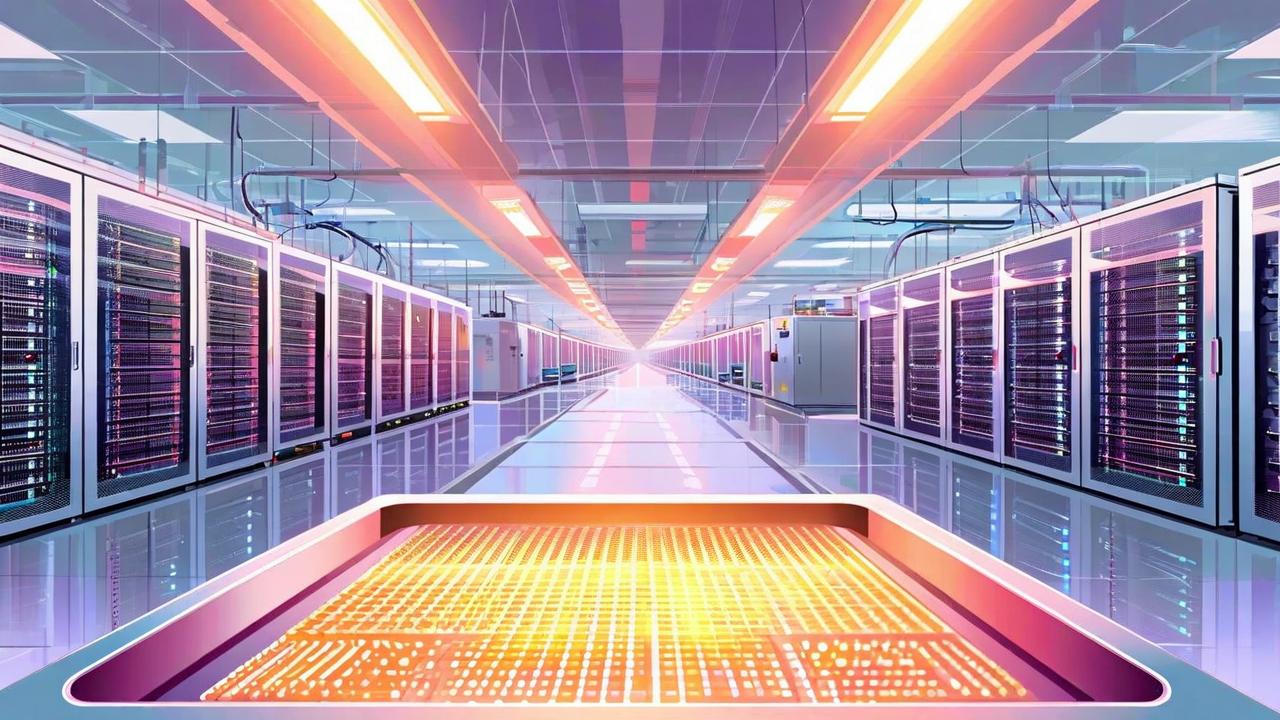

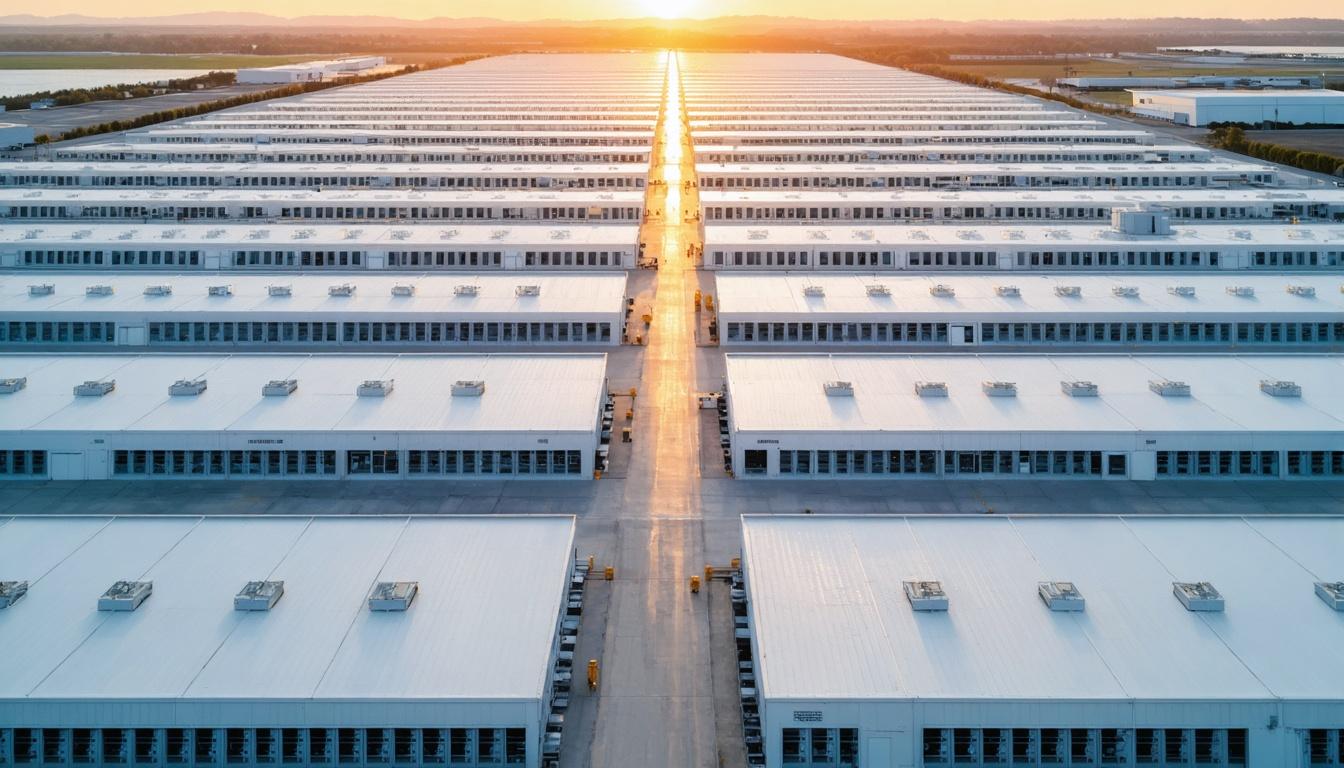
*this image is generated using AI for illustrative purposes only.
SK Hynix has approved a major capital investment strategy, allocating 35.2 trillion won for its Yongin "Y2" DRAM fabrication plant and 19.1 trillion won for its Cheongju "M17" NAND fabrication plant. The company announced these figures as part of its mid-to-long-term investment plan, designed to expand its production base for both memory types and increase capacity in alignment with rising customer demand. This move positions the firm to seize market opportunities while contributing to the stability of the global AI semiconductor supply chain.
The decision reflects a strategic focus on scaling infrastructure to match the rapid growth speed of the market. By expanding both DRAM and NAND capabilities, SK Hynix aims to secure a stronger foothold in the high-growth AI sector. The specific allocation underscores a balanced approach to strengthening its core memory businesses, ensuring that supply can meet the escalating requirements of downstream customers relying on advanced semiconductor components.
Investment Timeline and Details
The execution of these projects follows a defined timeline, with key milestones set for the late 2020s. The Cheongju M17 NAND fab is scheduled to open its cleanroom earlier than the Yongin facility.
| Facility | Location | Investment Amount | Cleanroom Opening | Technology |
|---|---|---|---|---|
| Y2 | Yongin | 35.2 trillion won | June 2029 | DRAM |
| M17 | Cheongju | 19.1 trillion won | December 2028 | NAND |
Strategic Implications
The substantial capital outlay highlights the critical role of memory semiconductors in the broader AI ecosystem. SK Hynix described the move as a strategic investment decision intended to contribute to the stability of the global AI semiconductor supply chain. As demand for high-bandwidth memory and advanced storage solutions accelerates, expanding physical capacity becomes essential for maintaining market share and meeting delivery schedules. The staggered opening dates allow the company to phase in new capacity, potentially managing operational ramp-up risks while ensuring continuous supply enhancements.

How might SK Hynix's massive capital expenditure impact its short-term profitability and cash flow before the new fabs become operational in 2028-2029?
What specific technological advantages or process node improvements are expected from the Y2 and M17 facilities to maintain competitiveness against rivals like Samsung and Micron?
How could geopolitical tensions or export restrictions affect the supply chain stability for the advanced materials required to build and operate these new fabrication plants?
 16
16






 Create Custom Screeners
  Access 200+ Pre-built Filters
  Use 50+ Readymade Screener





