

Sigachi Industries reports 11.2% energy drop in FY26 sustainability filing


- Total energy consumption fell 11.2% to 3,60,165.60 GJ in FY26
- Scope 2 emissions declined 18.4% while Scope 3 was measured for the first time at 93,118.53 tCO2e
- Energy intensity per physical output rose sharply to 35.84 GJ/MT from 20.923 GJ/MT
- Employee skill development coverage increased to 97.52% from 89.44%
- Five key suppliers were assessed against ESG parameters as part of responsible sourcing initiatives

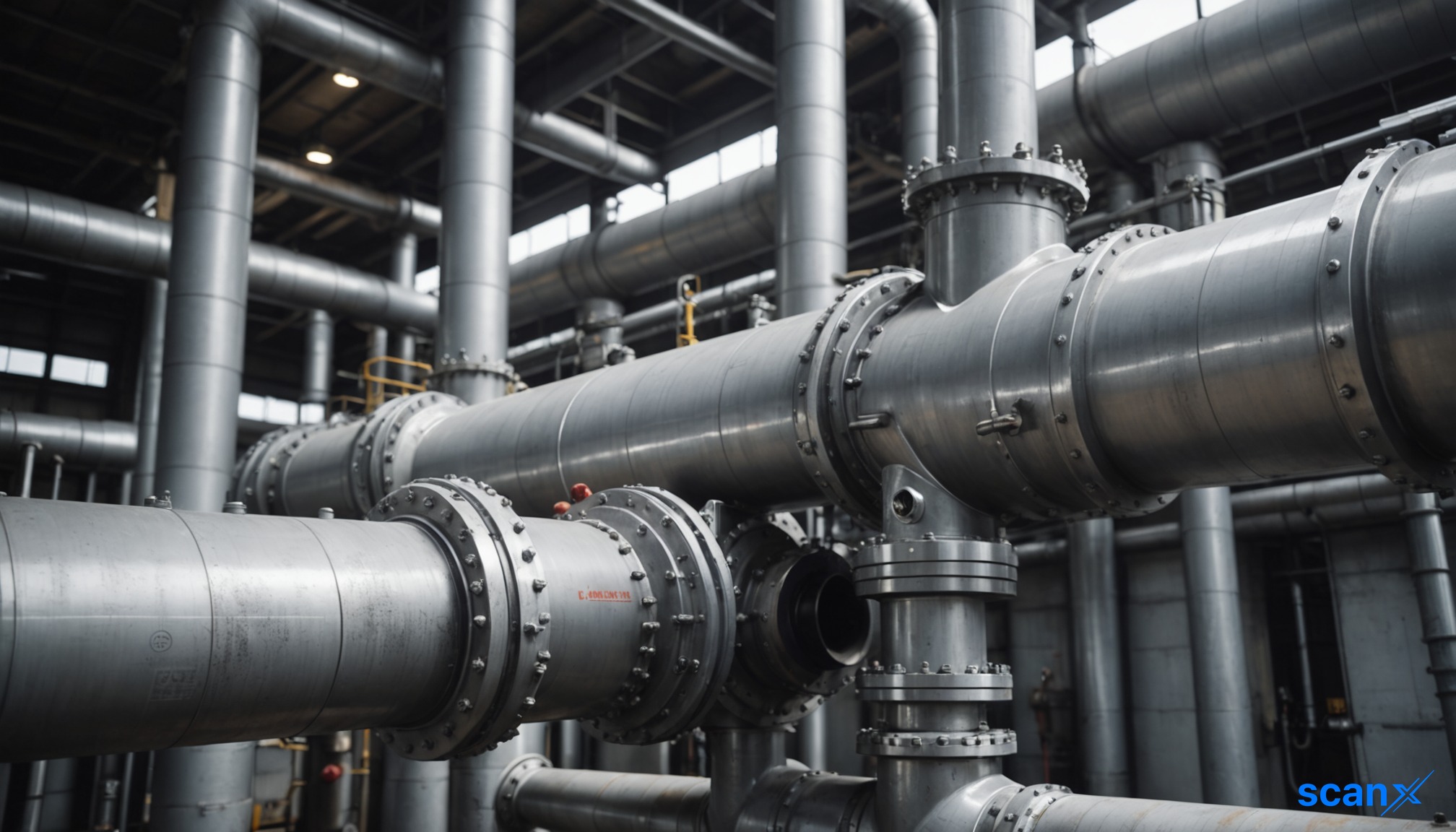

*this image is generated using AI for illustrative purposes only.
Sigachi Industries submitted its Sustainability Report for the financial year ended March 31, 2026, highlighting a significant reduction in total energy consumption and the expansion of its greenhouse gas reporting scope. The company reported total energy consumption of 3,60,165.60 GJ, down from 4,05,650.15 GJ in the previous year, marking an 11.2% decline.
The report details the company's response to operational challenges during FY26, including comprehensive safety system redesigns following an incident at its Pashamylaram facility. Key environmental metrics show Scope 2 emissions fell 18.4% to 7,060.52 tCO2e, while Scope 1 emissions remained broadly stable at 42,597.27 tCO2e. For the first time, Sigachi measured Scope 3 emissions, which totaled 93,118.53 tCO2e.
Environmental performance and emissions
Sigachi expanded its GHG assessment to include nine categories of Scope 3 emissions, with Purchased Goods and Services representing the largest share. The company also revised its environmental baseline to FY2025-26 to reflect changes in its operational footprint, including the cessation of operations at the Hyderabad unit.
| Metric | FY25 | FY26 | Change |
|---|---|---|---|
| Total Energy Consumption (GJ) | 4,05,650.15 | 3,60,165.60 | -11.2% |
| Scope 1 Emissions (tCO2e) | 42,003.84 | 42,597.27 | +1.4% |
| Scope 2 Emissions (tCO2e) | 8,651.52 | 7,060.52 | -18.4% |
| Scope 3 Emissions (tCO2e) | Not measured | 93,118.53 | N/A |
Air emissions showed notable improvements, with NOx falling 40.3% to 42.4 µg/m³ and SOx declining 56.9% to 44.2 µg/m³. Particulate matter levels also decreased, with PM 2.5 dropping 50.0% and PM 10 reducing by 40.9%.
Safety reforms and workforce development
Following the incident at the Pashamylaram facility, Sigachi implemented a five-dimension safety framework focusing on preventive controls, independent assessments, emergency preparedness, capability building, and occupational health. The Lost Time Injury Frequency Rate (LTIFR) for employees rose to 8.44 in FY26 from zero in FY25, reflecting the impact of the year's events on safety metrics.
Training coverage for employees increased to 97.52% from 89.44% in the previous year. The company invested ₹291 lakh in employee wellbeing, a 36% increase over the prior year's expenditure of ₹214 lakh.
Governance and supply chain oversight
The Board strengthened its Enterprise Risk Management framework aligned with COSO principles and formalized a Business Continuity Plan. Sigachi assessed five key and critical suppliers against ESG parameters, covering environmental management, human rights, and ethical conduct. The company maintained a clean record with zero data breaches and zero POSH complaints reported during the fiscal year.
What the numbers show
A divergence exists between total energy consumption and energy intensity. While total energy use dropped 11.2%, energy intensity per physical output rose significantly from 20.923 GJ/MT in FY25 to 35.84 GJ/MT in FY26. This suggests that production volumes declined at a faster rate than energy usage, or that operational inefficiencies emerged despite absolute energy savings. Similarly, water withdrawal increased 28% to 73,197 KL while water intensity jumped from 2.637 KL/MTPA to 5.69 KL/MTPA, indicating a disproportionate rise in resource dependency relative to output.
Historical Stock Returns for Sigachi Industries
| 1 Day | 5 Days | 1 Month | 6 Months | 1 Year | 5 Years |
|---|---|---|---|---|---|
| -2.24% | -2.80% | -15.13% | +53.60% | -26.21% | -51.93% |

How will the newly measured Scope 3 emissions of 93,118 tCO2e influence Sigachi's future supplier selection criteria and procurement costs?
What specific operational adjustments is Sigachi implementing to reverse the significant rise in energy and water intensity per unit of output?
Will the cessation of Hyderabad operations and revised baselines impact Sigachi's ability to meet its long-term decarbonization targets?
 18
18









 Create Custom Screeners
  Access 200+ Pre-built Filters
  Use 50+ Readymade Screener





