

Shree Digvijay Cement files FY26 BRSR with sustainability metrics


- Shree Digvijay Cement filed its FY26 BRSR reporting a turnover of ₹75,315 lakh
- Scope 1 emissions fell significantly to 5,23,230 MT CO₂e from 8,71,611 MT in FY25
- Total energy consumption rose to 40,75,585 GJ with increased renewable usage
- Waste generation declined to 4,458 MT with 4,860 MT of alternative fuels co-processed
- Employee turnover rate for permanent staff increased to 15% from 12% in the prior year


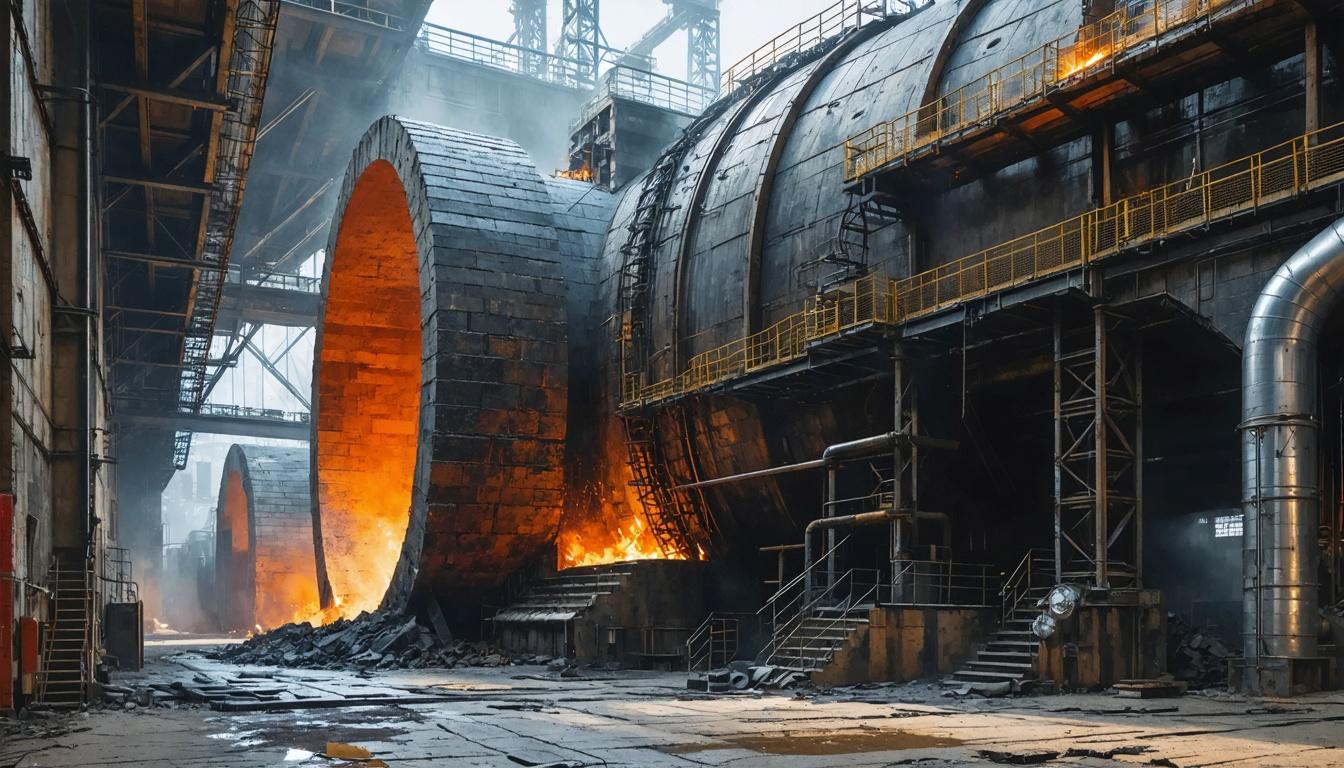
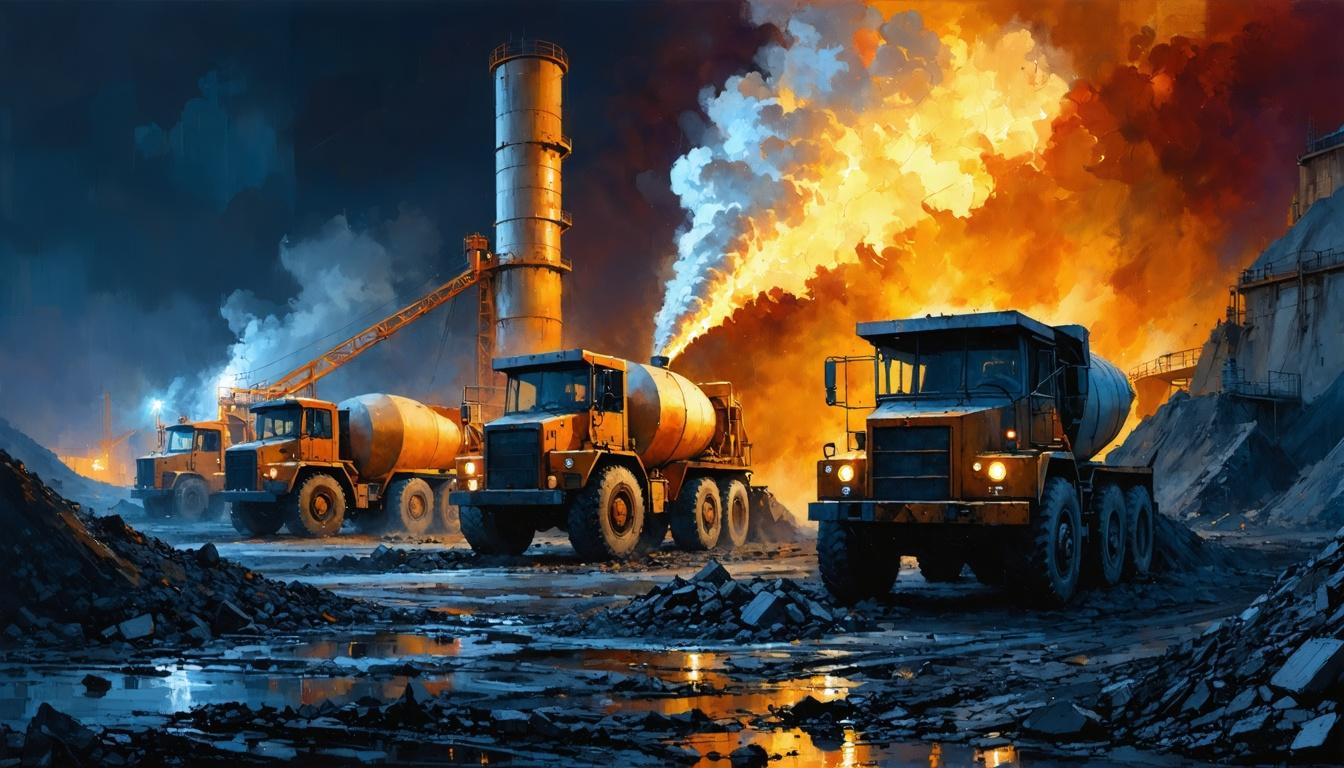
*this image is generated using AI for illustrative purposes only.
Shree Digvijay Cement Company filed its Business Responsibility and Sustainability Report (BRSR) for the financial year ended March 31, 2026, with the stock exchanges on August 20, 2026. The filing details the company’s environmental performance, energy consumption patterns, and social responsibility metrics for the period.
The company reported a turnover of ₹75,315 lakh and a net worth of ₹36,545 lakh. Cement manufacturing accounted for 99.12% of the total turnover. The entity operates one integrated cement plant and eight marketing offices across India, serving customers in 14 states and one international market.
Environmental Performance
Total energy consumption rose to 40,75,585 GJ in FY26 from 38,84,800 GJ in FY25. Non-renewable sources constituted the majority of this intake, with fuel consumption at 36,18,194 GJ and electricity at 2,17,575 GJ. Renewable energy consumption stood at 2,04,022 GJ.
Greenhouse gas emissions showed a significant reduction. Total Scope 1 emissions fell to 5,23,230.28 metric tonnes of CO₂ equivalent from 8,71,611.34 metric tonnes in the prior year. Scope 2 emissions also declined to 33,543 metric tonnes from 36,620 metric tonnes. The emission intensity per tonne of cement dropped to 396.882 kg CO₂/t from 673.647 kg CO₂/t.
| Metric | FY26 | FY25 |
|---|---|---|
| Total Energy Consumption (GJ) | 40,75,585 | 38,84,800 |
| Scope 1 Emissions (MT CO₂e) | 5,23,230.28 | 8,71,611.34 |
| Scope 2 Emissions (MT CO₂e) | 33,543 | 36,620 |
| Water Withdrawal (KL) | 63,806.66 | 62,606.7 |
Water withdrawal increased slightly to 63,806.66 kilolitres, primarily sourced from groundwater. The company maintains a Zero Liquid Discharge system, with no industrial effluent discharged outside the premises. Treated sewage water is reused for gardening and dust suppression.
Waste Management
Total waste generated decreased to 4,458.11 MT from 6,162.58 MT in FY25. Plastic waste accounted for the largest share at 4,445.97 MT, which was co-processed in the kiln as alternative fuel. The company co-processed approximately 4,860 MT of alternative fuels and raw materials annually, reducing reliance on fossil fuels.
Social Metrics
The workforce comprised 219 employees and 494 workers. Permanent employees saw a turnover rate of 15% in FY26, up from 12% in FY25. The company spent ₹15.03 crore on employee well-being measures, representing 0.201% of total revenue. There were zero lost-time injury frequency rates and zero fatalities reported during the year.
What the Numbers Show
The sharp decline in Scope 1 emissions intensity—from 673.647 kg CO₂/t to 396.882 kg CO₂/t—occurred alongside an increase in total energy consumption. This divergence suggests that the additional energy consumed was largely derived from lower-carbon sources or alternative fuels, rather than conventional fossil fuels, aligning with the reported increase in renewable energy usage and AFR co-processing.
Historical Stock Returns for Shree Digvijay Cement Company
| 1 Day | 5 Days | 1 Month | 6 Months | 1 Year | 5 Years |
|---|---|---|---|---|---|
| +1.17% | -3.07% | -14.71% | +17.12% | -25.38% | -14.23% |

How might the 25% increase in permanent employee turnover impact Shree Digvijay Cement's operational efficiency and future labor costs?
Given the heavy reliance on groundwater for water withdrawal, what specific strategies is the company implementing to mitigate risks associated with regional water scarcity?
Can the company sustain the significant reduction in Scope 1 emission intensity as it scales production, or are there diminishing returns on its alternative fuel co-processing initiatives?
 18
18






 Access 50+ Readymade Screeners
  Use 200+ Custom Filters
  Get Full Market Insights





