

SBI Card launches FD-backed secured card on SBI YONO


- Launched FD-backed secured Advantage SBI Card on SBI YONO platform
- Enables 100% paperless application completed in 10 minutes
- Offers four card variants: Elite, Prime, SimplyClick, and SimplySAVE
- Integrates SBI Card products with State Bank of India's digital reach

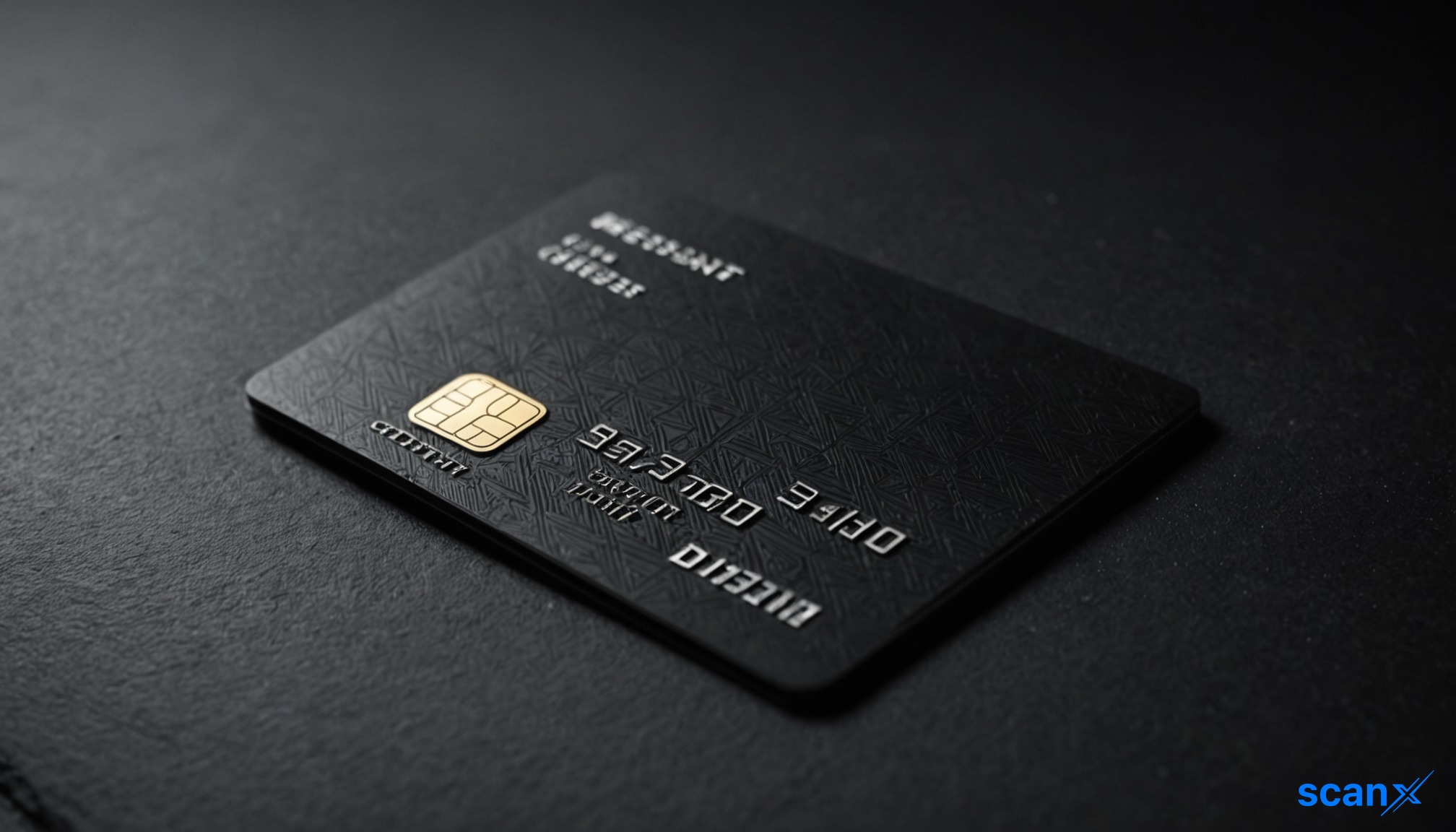

*this image is generated using AI for illustrative purposes only.
SBI Cards and Payment Services Limited launched the Advantage SBI Card on the State Bank of India's digital platform, SBI YONO, on September 23, 2026. This initiative introduces a seamless, 100% paperless journey enabling customers to avail secured credit cards backed by fixed deposits within 10 minutes.
The launch integrates SBI Card’s credit expertise with SBI’s extensive reach and YONO’s digital capabilities. Customers holding a fixed deposit with SBI can now apply for secured credit cards through a fully digital process. The move aims to simplify access to formal credit while combining the security of a fixed deposit with the benefits of a credit card.
Digital journey features
The new offering allows customers to choose from four specific secured card variants directly on the SBI YONO app. The end-to-end digital experience is designed to reduce application time significantly, catering to customers seeking instant access to credit facilities without physical documentation.
| Card Variant | Type | Application Platform |
|---|---|---|
| SBI Card Elite | Secured | SBI YONO |
| SBI Card Prime | Secured | SBI YONO |
| SimplyClick SBI Card | Secured | SBI YONO |
| SimplySAVE SBI Card | Secured | SBI YONO |
Leadership remarks
Salila Pande, Managing Director & Chief Executive Officer of SBI Card, stated that the new journey is designed to bring greater ease to the credit application process. She emphasized that customer centricity remains at the core of the company’s approach as it continues to simplify experiences through technology-led solutions.
The initiative was inaugurated by Challa Sreenivasulu Setty, Chairman of State Bank of India, in the presence of Ashwini Kumar Tewari, Managing Director of SBI. The collaboration underscores the strategic alignment between the parent bank’s digital infrastructure and the subsidiary’s product portfolio.
Strategic implications
This launch reinforces SBI Card’s focus on building digital-first customer journeys to expand access to formal credit. By leveraging the existing base of over 22 million cards-in-force and SBI’s widespread branch network, the company aims to capture customers looking to establish or strengthen their credit profiles with minimal friction.
Historical Stock Returns for SBI Cards
| 1 Day | 5 Days | 1 Month | 6 Months | 1 Year | 5 Years |
|---|---|---|---|---|---|
| -1.16% | -4.04% | -6.01% | -9.25% | -30.92% | -39.56% |

How will the 10-minute digital issuance timeline impact SBI Card's customer acquisition costs compared to traditional branch-based processes?
What specific regulatory or risk management frameworks has SBI Card implemented to mitigate fraud risks in a 100% paperless, instant-approval credit environment?
To what extent might this YONO-integrated secured card offering pressure competitors like HDFC Bank and ICICI Bank to accelerate their own fully digital credit card launch timelines?
 16
16













 Access Market Heat-map & Insights
  Create, Save & Share your Screener
  Use 200+ Screening Filters





