

Sanmit Infra files FY26 BRSR report detailing operations


- Sanmit Infra files FY26 BRSR report covering standalone operations
- Non-renewable energy consumption rises to 1,81,979.85 GJ from 12,108.12 GJ
- Scope 1 GHG emissions increase to 13,352.69 metric tonnes CO2e
- Workforce includes 49 permanent employees and 48 non-permanent workers
- Total waste generated reaches 107.27 metric tonnes, mostly bitumen drums

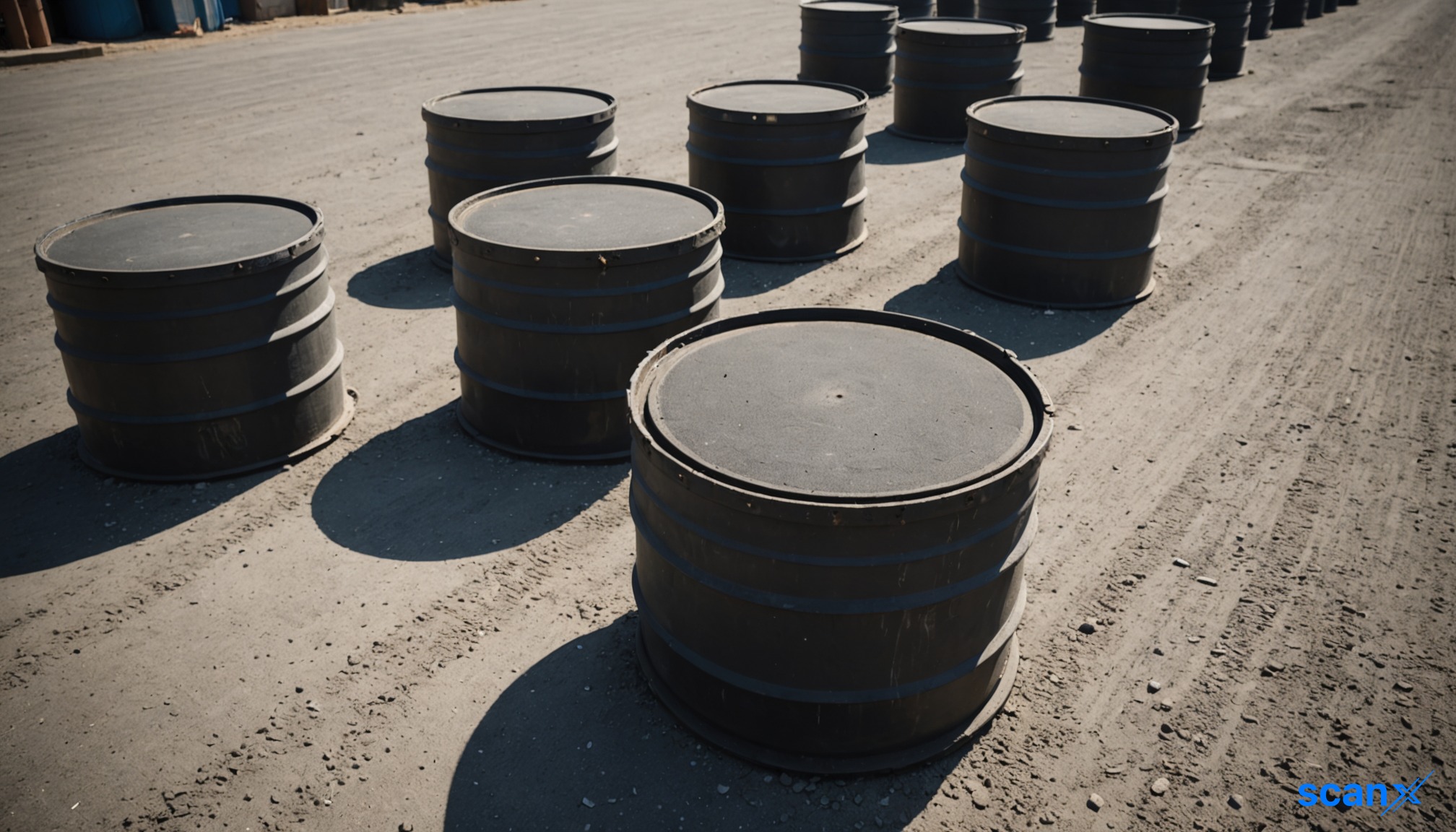

*this image is generated using AI for illustrative purposes only.
Sanmit Infra Limited has submitted its Business Responsibility and Sustainability Report (BRSR) for FY26 to the Bombay Stock Exchange. The filing, signed by Managing Director Sanjay Makhija on September 7, 2026, outlines the company's compliance with SEBI regulations regarding environmental, social, and governance disclosures.
The report covers the company's standalone operations across its key business segments. These include the trading of petroleum products, manufacturing of bitumen-based products such as cold mix and emulsion, and provision of road micro-surfacing services.
Operational Profile
Sanmit Infra operates through a network of facilities spread across five states: Maharashtra, Odisha, Telangana, Gujarat, and Karnataka. The infrastructure includes three plants and four offices nationally, with no international presence reported for the period.
The workforce composition reflects a mix of permanent employees and contract workers. As of the end of FY26, the company employed 49 permanent staff members and engaged 48 non-permanent workers. The permanent employee base consists of 38 males and 11 females, while the non-permanent worker cohort is entirely male.
Governance and Compliance
The company maintains a Board of Directors comprising eight members, including one female director representing 12.50% female representation at the board level. Among Key Managerial Personnel, female representation stands at 50.00%, with one female member out of two total KMPs.
Sanmit Infra reports no monetary fines, penalties, or sanctions from regulatory or law enforcement agencies during the reporting year. The company also recorded zero complaints related to conflict of interest involving directors or KMPs.
Environmental Disclosures
The BRSR highlights significant changes in energy consumption patterns compared to the previous year. Total energy consumption from non-renewable sources rose sharply to 1,81,979.85 Gigajoules in FY26, up from 12,108.12 Gigajoules in FY25. This increase is attributed to higher furnace fuel consumption driven by increased production levels and the addition of three new micro-surfacing sites.
Greenhouse gas emissions followed a similar trajectory. Total Scope 1 emissions increased to 13,352.69 metric tonnes of CO2 equivalent, a substantial rise from 747.07 metric tonnes in the prior year. Scope 2 emissions remained relatively stable at 142.82 metric tonnes.
Water withdrawal increased to 3,803.43 kilolitres in FY26, primarily sourced from groundwater (3,380.74 kilolitres) and third-party sources (422.69 kilolitres). The company reports that 80% of total water withdrawal is discharged to third parties without treatment, in accordance with CPHEEO guidelines.
Waste Management
Total waste generated rose to 107.27 metric tonnes in FY26, compared to 22.71 metric tonnes in FY25. The majority of this waste consists of hazardous materials, specifically empty bitumen drums, which totaled 105.37 metric tonnes. These drums are collected by an authorized vendor for reconditioning and resale. Non-hazardous kitchen waste accounted for 1.90 metric tonnes.
Social Initiatives
The company reports zero lost-time injury frequency rates for both employees and workers during FY26. Training coverage reached 100% for all permanent employees and non-permanent workers on health, safety, and skill upgradation measures.
Cost incurred on employee well-being measures stood at 0.10% of total revenue, a slight decrease from 0.12% in the previous year. The company confirms its premises are accessible to differently abled individuals, featuring wheelchair-friendly ramps and lifts, although no differently abled employees were on record during the period.

How does Sanmit Infra plan to mitigate the sharp 14x increase in non-renewable energy consumption and Scope 1 emissions in FY27 amidst tightening environmental regulations?
What specific strategies will the company implement to reduce the 80% untreated water discharge rate and improve its water stewardship metrics in upcoming reporting periods?
Given the significant rise in hazardous waste generation, are there plans to integrate circular economy practices beyond simple vendor reconditioning of bitumen drums?
 16
16









 Access 50+ Readymade Screeners
  Use 200+ Custom Filters
  Get Full Market Insights





