

Sagar Cements files BRSR for FY26, reports 17% revenue growth


Sagar Cements Limited submitted its Business Responsibility and Sustainability Report for FY26, disclosing a 17% year-on-year increase in consolidated revenue to ₹ 2,65,002 Lakhs. The company reported a 93% rise in Profit Before Interest, Depreciation and Tax to ₹ 31,354 Lakhs and maintained an EBITDA of ₹ 292 crores. Operational highlights include a 10% increase in cement production and the commissioning of a 6 MW solar plant. The report reaffirms the company's commitment to net-zero emissions by 2050, validated by the Science Based Targets initiative, and details its ESG performance, including a 3X water positive status and a green power share of 18.83%.



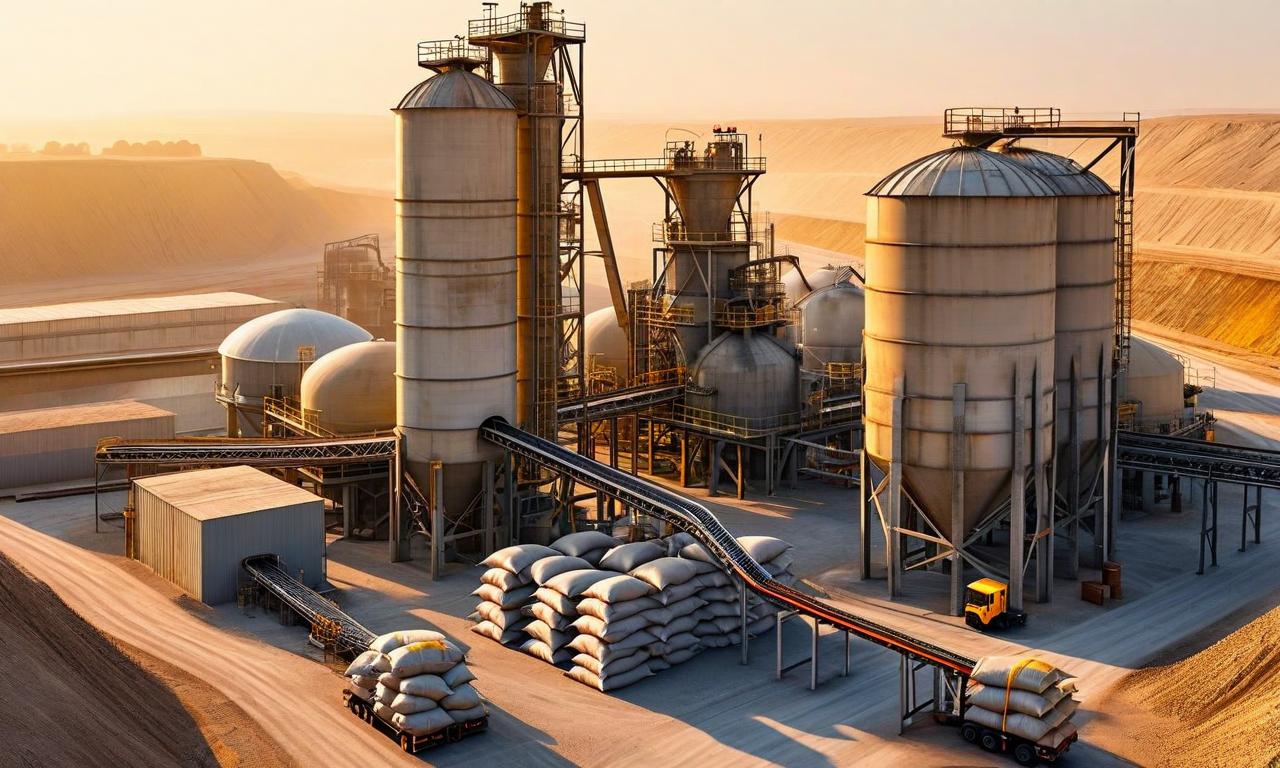
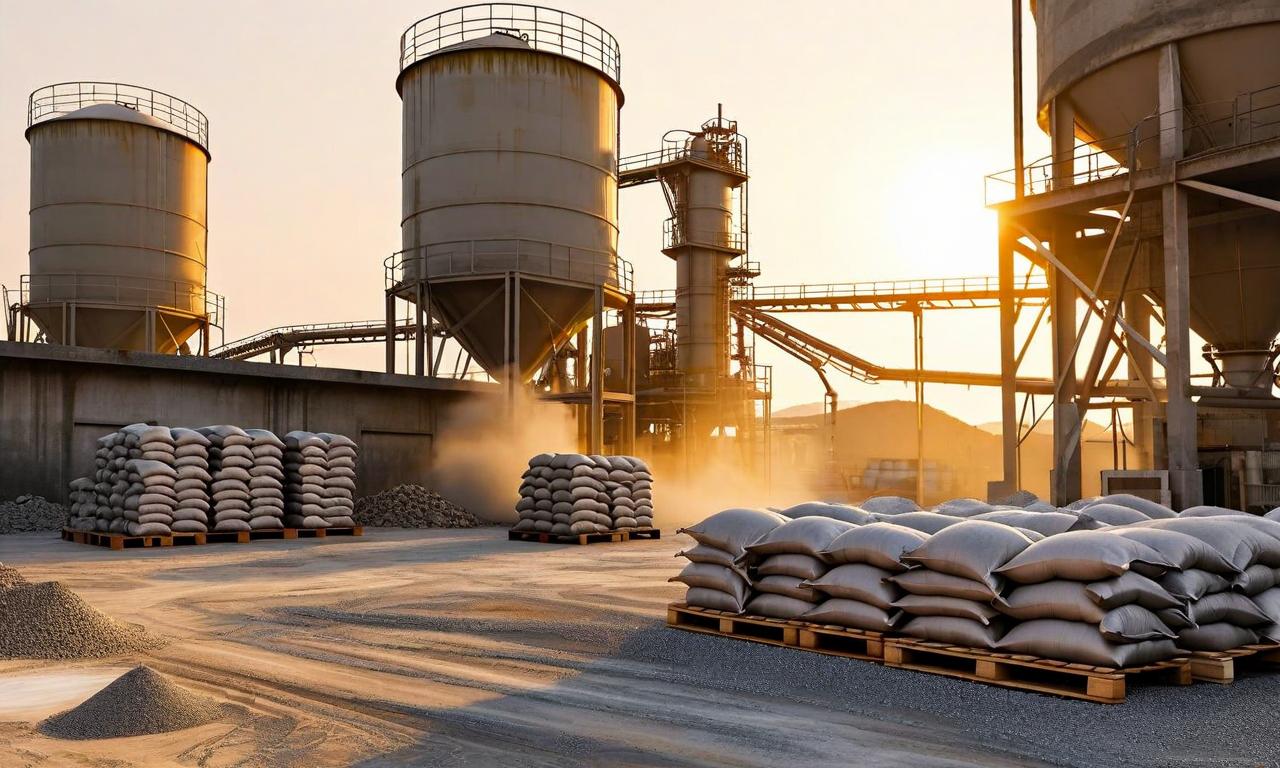
*this image is generated using AI for illustrative purposes only.
Sagar Cements Limited has submitted its Business Responsibility and Sustainability Report (BRSR) for the financial year ended March 31, 2026, to the National Stock Exchange of India and Bombay Stock Exchange. The filing, dated May 30, 2026, discloses that the company achieved a consolidated revenue from operations of ₹ 2,65,002 Lakhs, a 17% increase compared to the previous year. The report highlights the company's commitment to net-zero greenhouse gas emissions across the value chain by FY 2050, validated by the Science Based Targets initiative (SBTi).
Financial Performance
The company reported a Profit Before Interest, Depreciation and Tax of ₹ 31,354 Lakhs, an increase of 93% year-on-year. EBITDA for the year stood at ₹ 292 crores, translating into an EBITDA per tonne of ₹ 479. Capacity utilisation during the year stood at 60% at the consolidated level, an increase of 5.78% since last year. No dividend has been proposed for the year in view of inadequate profits.
Operational Highlights
Cement production reached 60,82,518 Tonnes, a 10% increase, while clinker production grew 11% to 47,49,882 Tonnes. The Dachepalli plant commissioned a new six-stage preheater, enhancing clinker production by 0.46 MTPA and improving thermal energy performance. This project was completed 117 days ahead of schedule with zero accidents. Capacity expansion works of 0.75 MTPA are underway at Dachepalli and 0.50 MTPA at Jeerabad.
ESG and Sustainability
Sagar Cements holds the distinction of being the first Indian cement company to have long-term CO₂ emission reduction targets validated by SBTi. Key ESG metrics for FY 2026 include a Gross CO₂ Emission Intensity (Scope 1 & 2) of 648 kg CO₂/MT cementitious. The company reported a Water Positive Status of 3X in FY 2026. A 6 MW solar power plant was commissioned at Dachepalli, taking the total green energy capacity to 36 MW. Construction of a 4.35 MW Waste Heat Recovery System at Gudipadu is underway.
| ESG Metric | FY 2026 Performance |
|---|---|
| Gross CO₂ Emission Intensity (Scope 1 & 2) | 648 kg CO₂/MT cementitious |
| Scope 1 Emissions (tCO₂e) | 40,01,054 |
| Scope 2 Emissions (tCO₂e) | 1,96,388 |
| Scope 3 Emissions (tCO₂e) | 5,70,327 |
| Green Power Share of Total Electricity | 18.83% |
| Total Renewable Energy Capacity | 36 MW |
| Total Energy Consumption | 16,565 TJ |
| CSR Spend (₹ Lakhs) | 178 |
| Employee Strength | 1,207 |
Corporate Governance
The disclosures under the report have been made on a consolidated basis, including Sagar Cements Limited and its subsidiaries, Sagar Cements (M) Private Limited and Andhra Cements Limited. The company obtained “Limited” Assurance from an Independent Third Party, TUV India Ltd, conducted in accordance with ISAE 3000(revised) standards. The Risk Management and ESG Committee, chaired by the Joint Managing Director, oversees the implementation of sustainability policies.
Historical Stock Returns for Sagar Cements
| 1 Day | 5 Days | 1 Month | 6 Months | 1 Year | 5 Years |
|---|---|---|---|---|---|
| -0.75% | -8.52% | -16.44% | -30.33% | -47.46% | -55.79% |

How will the completion of the ongoing capacity expansion projects at Dachepalli and Jeerabad impact the company's market share and competitive positioning in the region?
What specific strategies will Sagar Cements employ to bridge the gap between current capacity utilisation of 60% and optimal levels to maximize profitability?
Given the 93% surge in PBDIT but the absence of dividend payouts, what is the expected timeline for shareholder returns once the expansion capex stabilizes?
 18
18





 Access Market Heat-map & Insights
  Create, Save & Share your Screener
  Use 200+ Screening Filters





