

Redington signs distribution deal with OPSWAT for critical infrastructure security


- Redington signs distribution agreement with cybersecurity firm OPSWAT
- Deal targets Middle East, Türkiye, Africa, and CIS regions
- Focus on critical infrastructure protection using MetaDefender solutions
- Leverages Redington's regional logistics and financing capabilities

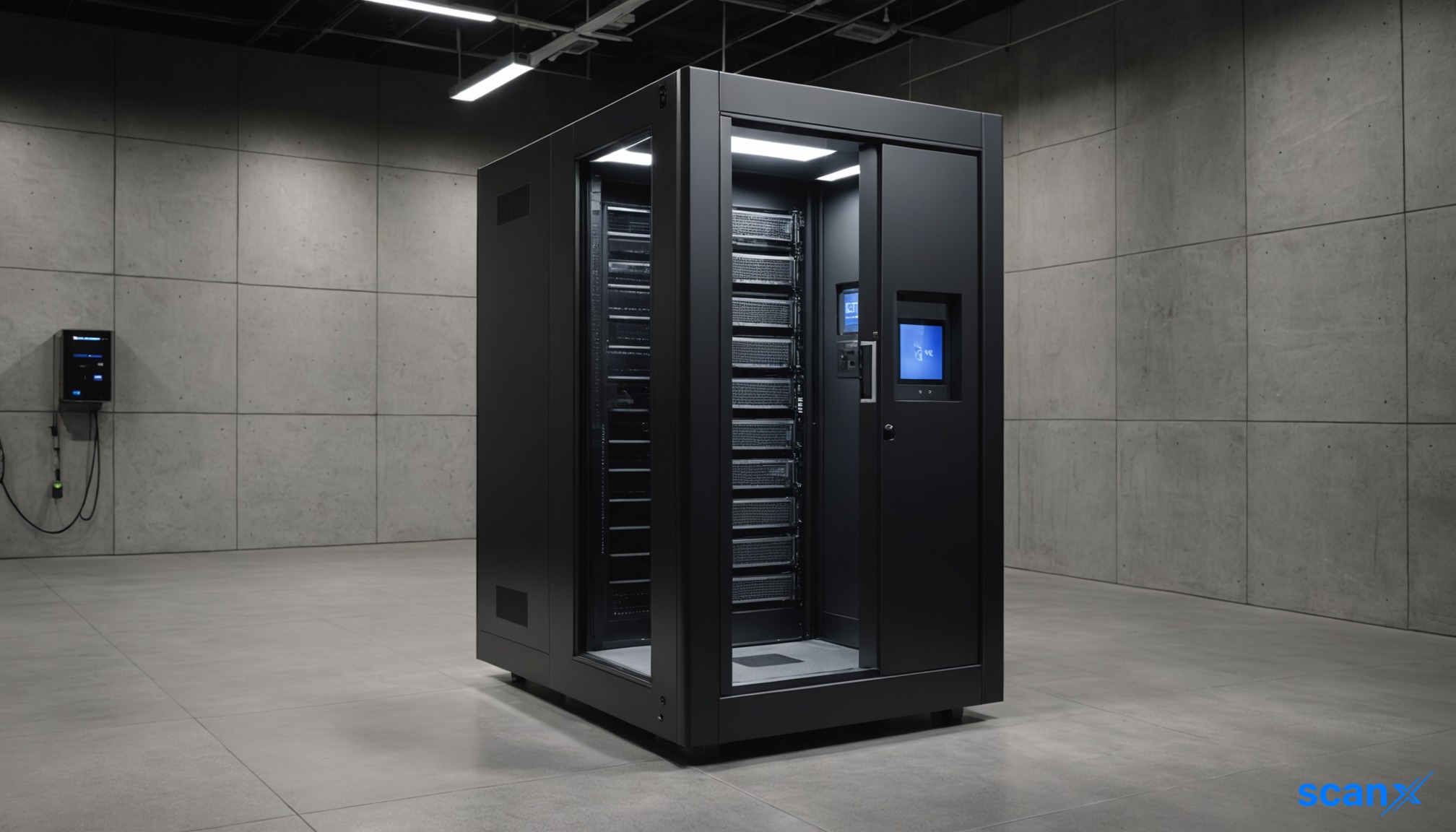

*this image is generated using AI for illustrative purposes only.
Redington has announced a distribution partnership with cybersecurity firm OPSWAT to expand critical infrastructure protection solutions across the Middle East, Türkiye, Africa, and the Commonwealth of Independent States (CIS).
The agreement combines OPSWAT’s specialized security portfolio with Redington’s regional logistics, financing, and technical support capabilities. This collaboration aims to strengthen resilience in government, defence, energy, and other essential sectors facing increasing cyber threats.
Partnership scope and strategic focus
The partnership covers the Gulf Cooperation Council (GCC), Levant, Türkiye, Africa, and CIS regions. It focuses on deploying MetaDefender Kiosk™ and MetaDefender Optical Diode™ solutions for segmented, air-gapped, and operational technology (OT) environments. Redington will leverage its local stockholding, warehousing, and in-country technical resources to address varying procurement requirements and supply chain pressures in these markets.
Redington’s financing capabilities are expected to support partners in pursuing complex, multi-stage projects, particularly in frontier markets. The company also highlighted the role of its DigiGlass offering, which enables partners to provide 24/7 managed security services without significant upfront capital investment.
Market context and operational strategy
The move addresses growing concerns about cyber resilience in growth markets. According to the World Economic Forum's Global Cybersecurity Outlook 2025, 36% of organizations in Africa lacked confidence in their national preparedness for major cyber incidents affecting critical infrastructure, compared to 15% in Europe and North America. This disparity underscores the demand for robust protection solutions in the targeted regions.
During the first 12 months, the companies will prioritize partner recruitment and certification in Africa, Türkiye, and the CIS. OPSWAT will lead technical enablement, while Redington manages channel logistics and partner acquisition. The framework allows for tailored execution based on local regulations and channel readiness.
Executive commentary
Hussam Sidani, Regional Vice President at OPSWAT, noted that Redington’s financial stability and regional stock help mitigate risks related to borders, financing gaps, and skills shortages. Sayantan Dev, CEO of Software Solutions Group at Redington, emphasized that as AI accelerates both innovation and threat sophistication, ecosystem orchestration becomes vital for protecting connected critical infrastructure.
What the numbers show
The partnership highlights a strategic shift towards value-added services in distribution. By integrating OPSWAT’s specialized OT security products with Redington’s existing channel network, the company aims to transition partners from simple product resale to recurring managed services. This model potentially enhances customer retention and revenue stability in high-stakes sectors like defence and utilities, where compliance and continuous monitoring are mandatory.
Historical Stock Returns for Redington
| 1 Day | 5 Days | 1 Month | 6 Months | 1 Year | 5 Years |
|---|---|---|---|---|---|
| -2.22% | -0.70% | +8.73% | +99.02% | +40.41% | +185.47% |

How will the integration of OPSWAT's OT security solutions impact Redington's long-term gross margin profile as it shifts from hardware resale to recurring managed services?
What specific regulatory hurdles in the CIS and African markets could delay the certification and deployment of air-gapped security solutions within the first 12 months?
To what extent might geopolitical tensions in the Middle East and Türkiye influence the supply chain logistics for critical infrastructure protection equipment under this new partnership?
 17
17











 Access Market Heat-map & Insights
  Create, Save & Share your Screener
  Use 200+ Screening Filters





