

Red Cat validates drone tech with five key partners


Red Cat Holdings validated integrations with five partners including Palantir and Hoverfly at a Salt Lake City event. The tests enhanced Black Widow and Teal 2 systems with new navigation, communication, and threat detection capabilities through the SPiDRWORX innovation group.



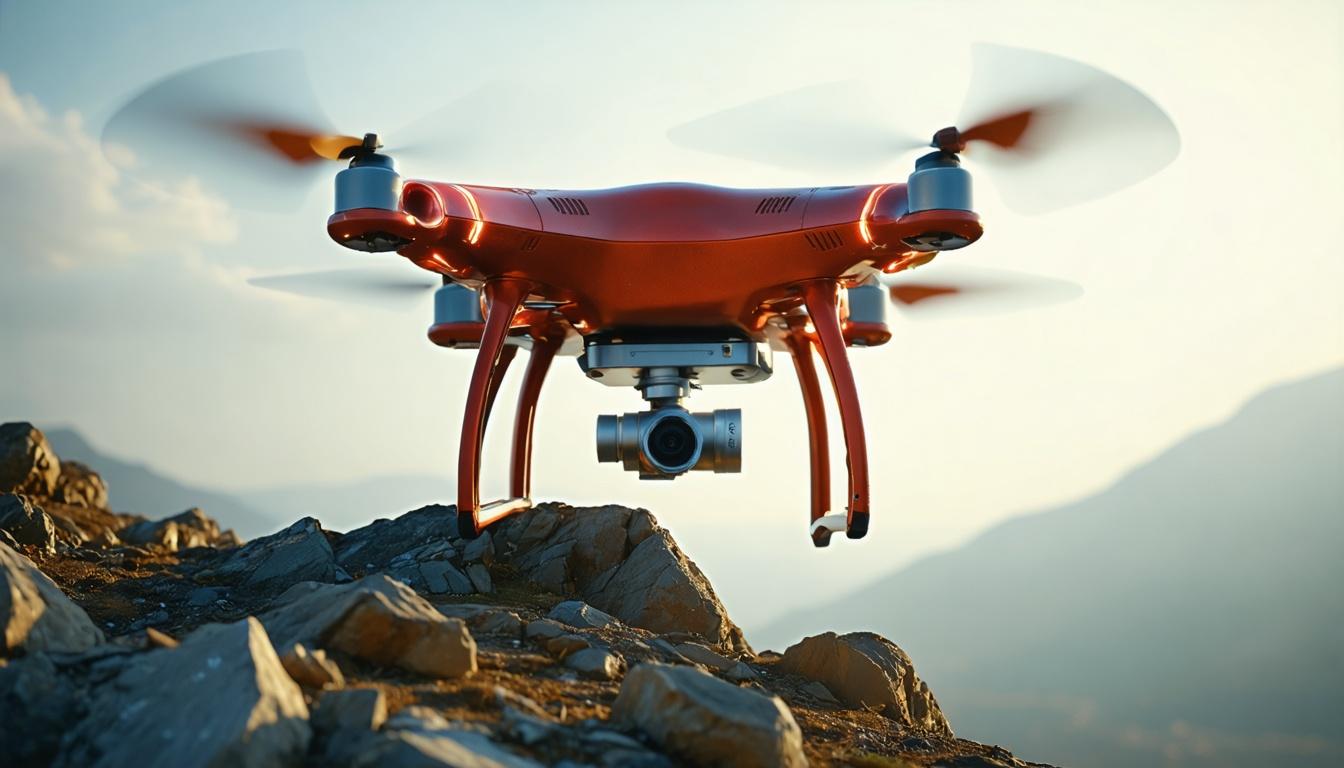
*this image is generated using AI for illustrative purposes only.
Red Cat Holdings, Inc. (NASDAQ: RCAT) advanced its research and development strategy on July 29, 2026, following a successful technology validation event in Salt Lake City. The U.S.-based provider of all-domain drone and robotic solutions used the event to test and evaluate integrations with five industry partners, aiming to strengthen its systems for defense and national security customers.
The validation effort was led by SPiDRWORX, Red Cat’s dedicated innovation group based in Spring Lake, North Carolina. Jason Gunter, Vice President of Technology and Innovation at Red Cat, stated that the group’s goal is to move promising technology from idea to validated capability by working directly with partners and testing in realistic environments. The event focused on ensuring every integration solves a real operational need rather than pursuing innovation for its own sake.
Partner Validation Highlights
The validation event brought together Red Cat teams and select technology partners to test integrations on the Black Widow™ and Teal 2 systems. The following table summarizes the key validations conducted:
| Partner | Technology Validated | System Integrated | Operational Benefit |
|---|---|---|---|
| Hoverfly Technologies | NEXUS unmanned ecosystem solution | Black Widow | Extended network range via tethered UAS communications relay |
| Safe Pro Group | AI-enabled threat detection software | Black Widow | Rapid identification of hazards, suspicious objects, and UXO-like threats |
| Palantir | Vision-based navigation technology | Black Widow | Mission continuity in simulated GNSS-denied conditions |
| Vigilare AI | TitanOps® technology | Teal 2 | Simplified command and control via voice/text commands and visual narration |
| Reveal Technology | Imagery, photogrammetry, and 3D mapping workflows | N/A | Enhanced mapping capabilities and collaboration with Safe Pro Group |
Strategic Implications
Red Cat works with leading technology companies through its Red Cat Futures Initiative to identify, integrate, and validate technologies that expand what operators can do in the field. The validation of Hoverfly’s tethered UAS as a communications extension relay demonstrated a path to greater operational reach in environments where terrain or limited infrastructure restricts communications. Similarly, the integration of Palantir’s vision-based navigation supports mission continuity when GPS is unavailable, degraded, or actively jammed.
Vigilare AI’s TitanOps technology was validated on the Teal 2 system, demonstrating features such as configurable platform alerting and course-of-action concepts designed to reduce operator workload. Reveal Technology conducted additional repeatability testing around imagery and 3D mapping workflows, creating direct collaboration with Safe Pro Group around combined mapping and threat detection use cases.
What the Numbers Show
While no financial figures were disclosed in this announcement, the breadth of partnerships indicates a strategic shift toward modular, software-defined capabilities. By validating distinct technologies for communication extension, threat detection, navigation, and command control, Red Cat is diversifying its value proposition beyond hardware alone. This approach allows the company to address specific operational pain points—such as GNSS denial and communication range limitations—without requiring complete system overhauls.
SPiDRWORX continues to work across Red Cat’s portfolio to help test, validate, and transition partner technologies into deployable capabilities. Red Cat plans to continue expanding this model as it builds out its Family of Systems for defense, government, and public safety customers. Additional validation events are planned based on partner availability and location for companies that were unable to participate in this initial round.

How will the successful validation of Palantir's GNSS-denied navigation technology impact Red Cat's competitive positioning in contested electromagnetic environments?
What is the projected timeline for transitioning these validated partner integrations from testing phases to commercial deployment for defense and public safety customers?
Could the shift toward modular, software-defined capabilities via the Red Cat Futures Initiative significantly alter the company's revenue mix or gross margins in upcoming fiscal quarters?
 18
18











 Access Market Heat-map & Insights
  Create, Save & Share your Screener
  Use 200+ Screening Filters





