

REC Ltd incorporates three subsidiaries for Bikaner and Mirzapur transmission projects


- REC Ltd incorporated three wholly owned subsidiaries on October 5, 2026
- Entities include Bikaner V Part A, Bikaner V Part B, and Mirzapur Power Transmission Ltd
- Each subsidiary has authorized and paid-up capital of ₹5,00,000
- Companies will be transferred to successful bidders under TBCB guidelines
- Projects involve power evacuation from Rajasthan REZ Ph-IV and UP intra-state lines


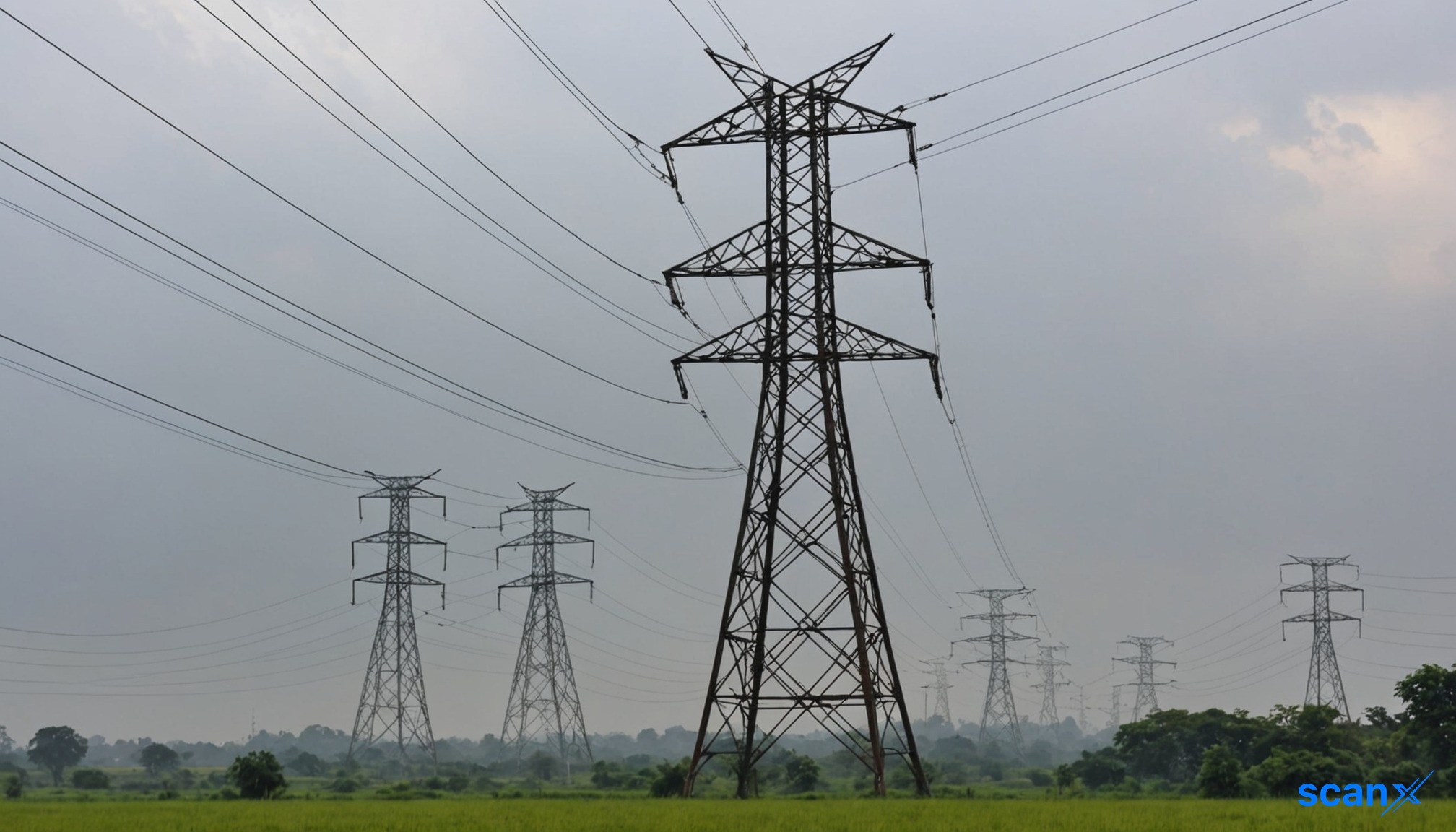
*this image is generated using AI for illustrative purposes only.
REC Ltd has incorporated three wholly owned subsidiaries to facilitate specific power transmission projects in Rajasthan and Uttar Pradesh. The entities, established as subsidiaries of REC Power Development and Consultancy Limited (RECPDCL), are designed to act as Special Purpose Vehicles (SPVs) for upcoming inter-state and intra-state transmission schemes.
The newly formed companies are Bikaner V Part A Power Transmission Limited, Bikaner V Part B Power Transmission Limited, and Mirzapur Power Transmission Limited. All three were incorporated on October 5, 2026, with an authorized and paid-up capital of ₹5,00,000 each. As these are newly incorporated entities, they have not yet commenced business operations or generated turnover.
Project Allocation and Role
The incorporation follows directives from the Ministry of Power and state authorities. RECPDCL has been appointed as the Bid Process Coordinator (BPC) for these projects. The two Bikaner entities are linked to the Rajasthan Renewable Energy Zone (REZ) Phase-IV, specifically the evacuation of power from the Bikaner Complex (6GW). The Mirzapur entity is associated with an intra-state project allocated by U.P. Power Transmission Corporation Limited, involving the construction of 765 kV and 400 kV lines linked to the Mirzapur Pooling Substation.
| Entity Name | Project Scope | Authority | Incorporation Date |
|---|---|---|---|
| Bikaner V Part A Power Transmission Ltd | Rajasthan REZ Ph-IV (Bikaner Complex) Evacuation | Ministry of Power | October 5, 2026 |
| Bikaner V Part B Power Transmission Ltd | Rajasthan REZ Ph-IV (Bikaner Complex) Evacuation | Ministry of Power | October 5, 2026 |
| Mirzapur Power Transmission Ltd | Construction of 765/400 kV lines & Substation | U.P. Power Transmission Corp Ltd | October 5, 2026 |
Transfer Mechanism via TBCB
These subsidiaries are temporary vehicles intended to hold assets until a successful bidder is selected through the Tariff Based Competitive Bidding (TBCB) process. Once the bidder is chosen, the respective company will be transferred to them along with all associated assets and liabilities. This structure allows RECPDCL to manage the bidding process efficiently while ensuring the infrastructure is handed over to private operators who will execute and maintain the transmission lines.
What the Numbers Show
The uniform capitalization of ₹5,00,000 across all three entities highlights their role as administrative shells rather than operational businesses at this stage. The identical paid-up capital suggests a standardized approach by RECPDCL for setting up SPVs under the TBCB framework. The split between two separate entities for the Bikaner complex (Part A and Part B) indicates that the 6GW evacuation capacity is being tendered or managed as distinct packages, potentially to attract multiple bidders or manage different segments of the transmission network separately.
Historical Stock Returns for REC
| 1 Day | 5 Days | 1 Month | 6 Months | 1 Year | 5 Years |
|---|---|---|---|---|---|
| +1.39% | -1.15% | -5.95% | -7.71% | -21.19% | +147.24% |

Which major infrastructure players are expected to bid for the Bikaner and Mirzapur transmission SPVs under the upcoming TBCB process?
How will the successful transfer of these SPVs to private bidders impact REC's long-term balance sheet leverage and return on equity?
What specific tariff benchmarks or financial incentives are anticipated to attract private capital to the 6GW Rajasthan REZ evacuation projects?










 Access Market Heat-map & Insights
  Create, Save & Share your Screener
  Use 200+ Screening Filters





