

Qualcomm unveils Snapdragon 8 Elite Gen 6 to rival Apple's A20 Pro


- Qualcomm launched Snapdragon 8 Elite Gen 6 and Extreme Gen 6 to compete with Apple's A20 Pro
- Extreme Gen 6 can locally run a 30-billion-parameter mixture-of-experts model
- Global smartphone shipments are expected to decline 14% this year due to higher memory prices
- Qualcomm stock trades at a P/E ratio of 22.7 with a Hold consensus rating

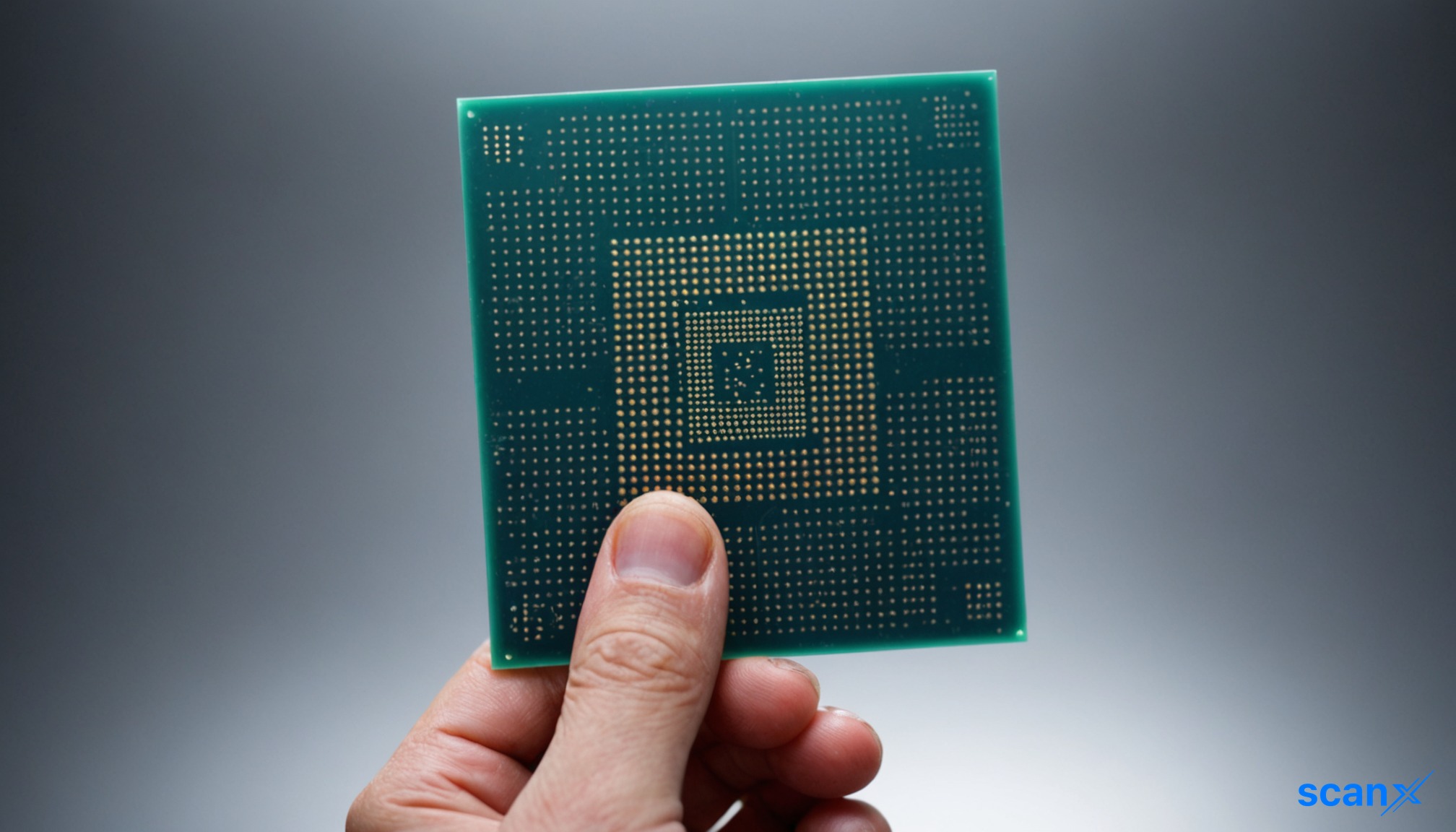

*this image is generated using AI for illustrative purposes only.
Qualcomm Inc. (NASDAQ: QCOM) launched two new high-end AI-first processors, the Snapdragon 8 Elite Gen 6 and the Snapdragon 8 Elite Extreme Gen 6, to challenge Apple Inc.'s (NASDAQ: AAPL) A20 Pro chip in premium smartphones.
The announcement, made Tuesday at the annual Snapdragon Summit, emphasizes on-device artificial intelligence. The new sensing hubs can run models with up to 200 million parameters locally. This capability allows phones to execute tasks such as distinguishing between speakers and building user activity memory for better task suggestions.
On-device AI capabilities
The Snapdragon 8 Elite Extreme Gen 6 supports a complete voice-in, voice-out AI agent directly on the device. It can locally run a 30-billion-parameter mixture-of-experts model. The standard Gen 6 includes a new accelerator designed for efficient AI model execution.
Both chips feature enhanced camera capabilities via AI. The Extreme version supports 8K video at 60 frames per second and 4K video at 240 frames per second. Additionally, both models use AI to boost vocals and reduce background noise during calls.
Motorola announced that its Signature 27 smartphone will utilize the Snapdragon 8 Elite Extreme Gen 6, with availability expected this year.
Manufacturing and market context
Qualcomm is using Taiwan Semiconductor Manufacturing Co. Ltd.'s (NYSE: TSM) most advanced manufacturing technology. This places Qualcomm and Apple on increasingly similar footing regarding underlying chip production processes.
The launch occurs as higher memory prices raise smartphone costs and pressure demand. Counterpoint expects global smartphone shipments to decline 14% this year. This backdrop is pushing manufacturers toward higher-priced devices, making premium segments critical for growth.
Stock performance and technicals
Qualcomm shares traded slightly lower Wednesday in premarket trading, down 0.39% at $197.49. The stock remains in a strong technical position despite short-term weakness attributed to profit-taking after a multi-month rally.
| Metric | Value | Status |
|---|---|---|
| Current Price | $197.49 | Down 0.39% |
| 20-day SMA | $175.93 | Price is 12.2% above |
| 50-day SMA | $168.91 | Price is 16.9% above |
| 200-day SMA | $168.79 | Price is 17% above |
| Resistance | $233.50 | Near-term ceiling |
| Support | $190.50 | Near-term floor |
The moving averages remain favorably aligned, with the 20-day average above the 50-day, and the 50-day above the 200-day. Momentum indicators show the MACD above its signal line with a positive histogram.
Analyst consensus and valuation
Qualcomm carries a Hold consensus rating with an average price forecast of $196.95. Recent analyst actions include:
- Piper Sandler initiated coverage with a Neutral rating and $190 price forecast on September 10.
- RBC Capital maintained a Sector Perform rating and raised its price forecast to $180 on September 9.
- Rosenblatt maintained a Buy rating and $235 price forecast on September 9.
The stock trades at a price-to-earnings ratio of approximately 22.7. Benzinga Edge rankings show a momentum score of 83.81 and a quality score of 92.32, while value and growth scores stand lower at 27.04 and 32.57, respectively.

How will Apple's upcoming A20 Pro specifications and on-device AI benchmarks compare directly against the Snapdragon 8 Elite Extreme Gen 6's 30-billion-parameter model?
Will the 14% projected decline in global smartphone shipments disproportionately impact Qualcomm's volume-based revenue model compared to Apple's premium-centric strategy?
How might rising memory component costs affect the bill of materials for devices using the new Snapdragon chips, and will OEMs pass these costs to consumers?
 17
17











 Access Market Heat-map & Insights
  Create, Save & Share your Screener
  Use 200+ Screening Filters





