

Premier Energies shareholders approve all 8 AGM resolutions with high majority


- All 8 AGM resolutions passed with requisite majority
- Capital raise of up to ₹5,000 crore approved by shareholders
- Final dividend of ₹1.00 per share confirmed for FY26
- Directors Chiranjeev Singh Saluja and Surenderpal Singh Saluja re-appointed

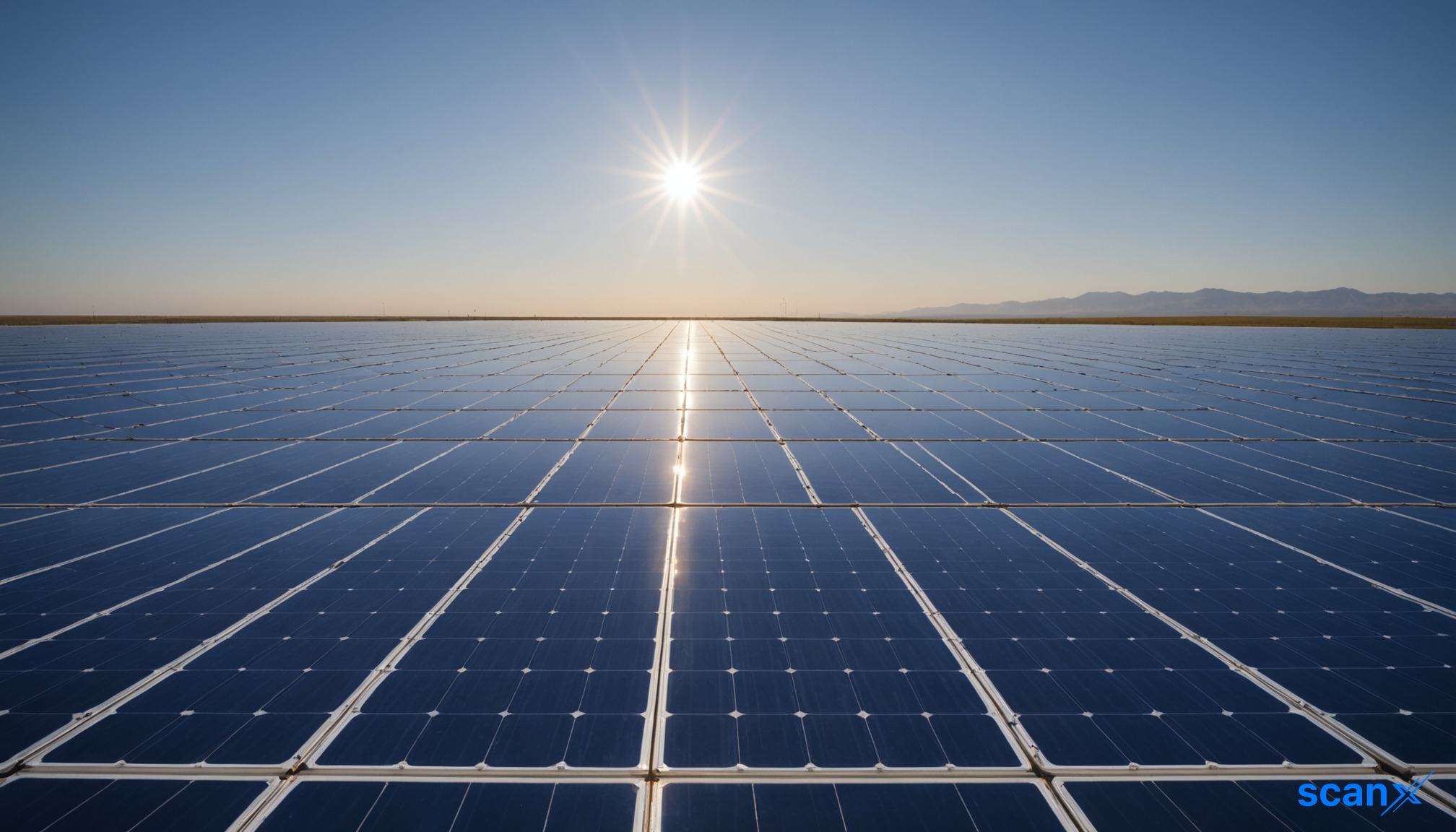

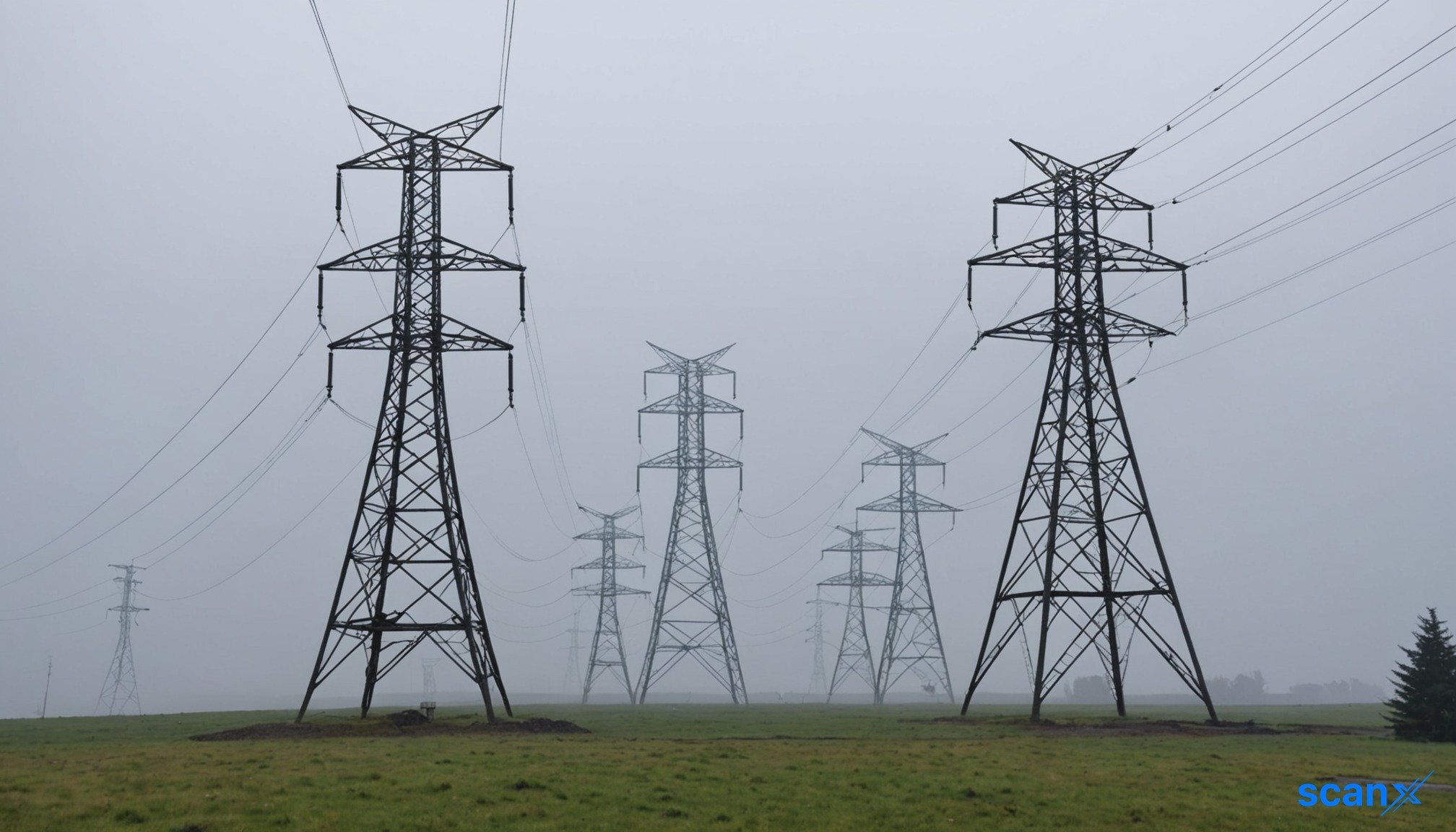
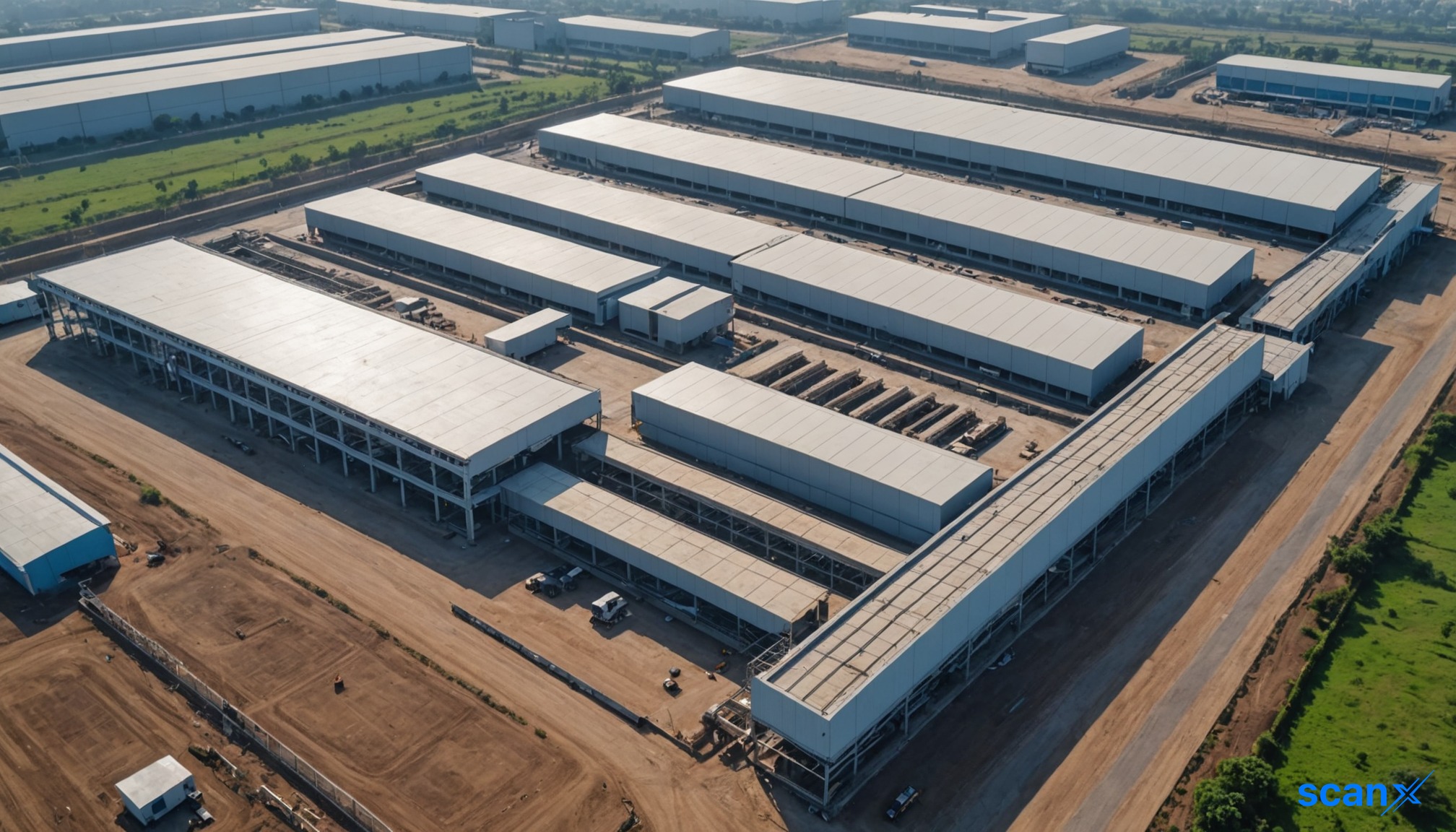
*this image is generated using AI for illustrative purposes only.
Premier Energies shareholders approved all eight resolutions at its 31st annual general meeting held on September 21, 2026. The voting results, disclosed on September 22, 2026, confirm strong institutional and public support for the company’s strategic initiatives.
The most significant approval was for a capital raising measure of up to ₹5,000 crore via equity or convertible securities. This resolution received 99.25% votes in favour from the total valid votes cast. The meeting also saw the adoption of audited financial statements for FY26 and the confirmation of a final dividend of ₹1.00 per equity share.
FY26 Financial Performance
Chairman Surenderpal Singh Saluja highlighted that FY26 was a year of breakthrough growth for the solar manufacturer. Revenue from operations grew 20.7% to ₹7,824 crore. EBITDA expanded by 35% to ₹2,579 crore.
Return on capital employed stood at 33.5%, while return on equity was 42%. These metrics reflect improving productivity and profitability as the company scaled its cell and module capacities.
| Metric | FY26 Value | YoY Growth |
|---|---|---|
| Revenue | ₹7,824 crore | 20.7% |
| EBITDA | ₹2,579 crore | 35% |
| Profit After Tax | ₹1,510 crore | 61% |
Voting Results Overview
The company reported that 335,616 shareholders were on the record date of September 14, 2026. Voting took place via remote e-voting prior to the meeting and during the virtual AGM. Promoters and promoter group voted nearly 100% in favour across all items. Public institutions showed varying levels of dissent on specific governance matters but ultimately supported the key resolutions.
Strategic Expansion Plans
The approved fundraising will support the company’s strategy of progressive backward integration. Premier Energies is developing a 10 GW ingot and wafer capacity at Naidupeta, aiming to become one of the largest fully integrated solar module manufacturers outside China.
Additionally, the company is building a 12 GWh battery energy storage business in partnership with RCT Solutions Germany. The first phase of 6 GWh is targeted for commissioning by June 2027. The transformer business, Transcon Ind, is also expected to benefit from grid infrastructure investments.
Key Resolutions Passed
The board secured shareholder approval for several ordinary and special business items. The outcomes reflect the company's focus on sustainable value creation and expansion across the solar value chain.
| Agenda Item | Status | Details |
|---|---|---|
| Financial Statements | Adopted | Audited standalone and consolidated results for FY26 |
| Final Dividend | Confirmed | ₹1.00 per equity share (aggregating interim payouts) |
| Director Appointment | Approved | Mr. Sudhir Moola appointed by rotation |
| Statutory Auditor | Re-appointed | M/s. Deloitte Haskins & Sells |
| Managing Director | Re-appointed | Mr. Chiranjeev Singh Saluja |
| Chairman & WTD | Re-appointed | Mr. Surenderpal Singh Saluja |
| Capital Raising | Approved | Up to ₹5,000 crore via equity or convertible securities |
Sustainability and Governance
The company reported that women account for more than 30% of its total workforce, supporting 9,220 green jobs. CSR spending reached ₹66 million, focused on healthcare, education, and rural development. The manufacturing business contributed to the avoidance of approximately 100 million tonnes of CO2-equivalent emissions during the year.
The Company Secretary confirmed no qualifications or adverse remarks in the Statutory Auditors' Reports or the Secretarial Audit Report for the financial year ended March 31, 2026.
Historical Stock Returns for Premier Energies
| 1 Day | 5 Days | 1 Month | 6 Months | 1 Year | 5 Years |
|---|---|---|---|---|---|
| -0.87% | +0.55% | -6.08% | -6.06% | -13.43% | +8.94% |

How will the dilution from the ₹5,000 crore capital raise impact Premier Energies' future earnings per share and return on equity metrics?
What are the specific supply chain risks and timeline challenges for the 10 GW ingot and wafer capacity at Naidupeta to achieve full operational status?
How does the partnership with RCT Solutions Germany position Premier Energies against established global battery storage competitors in the Indian market?
 20
20






 Access Market Heat-map & Insights
  Create, Save & Share your Screener
  Use 200+ Screening Filters





