

Pony AI H1FY26 Results: Robotaxi revenue up 534%, net loss widens


- Robotaxi revenue surged 534% YoY to $20.64 million in H1FY26
- Total revenue nearly doubled to $70.47 million; net loss widened to $98.86 million
- Single-vehicle profitability achieved in Guangzhou and Shenzhen markets
- R&D expenses of $104.1 million exceeded total revenue for the period
- Fleet reached 1,975 vehicles; plans to exceed 3,500 by year-end

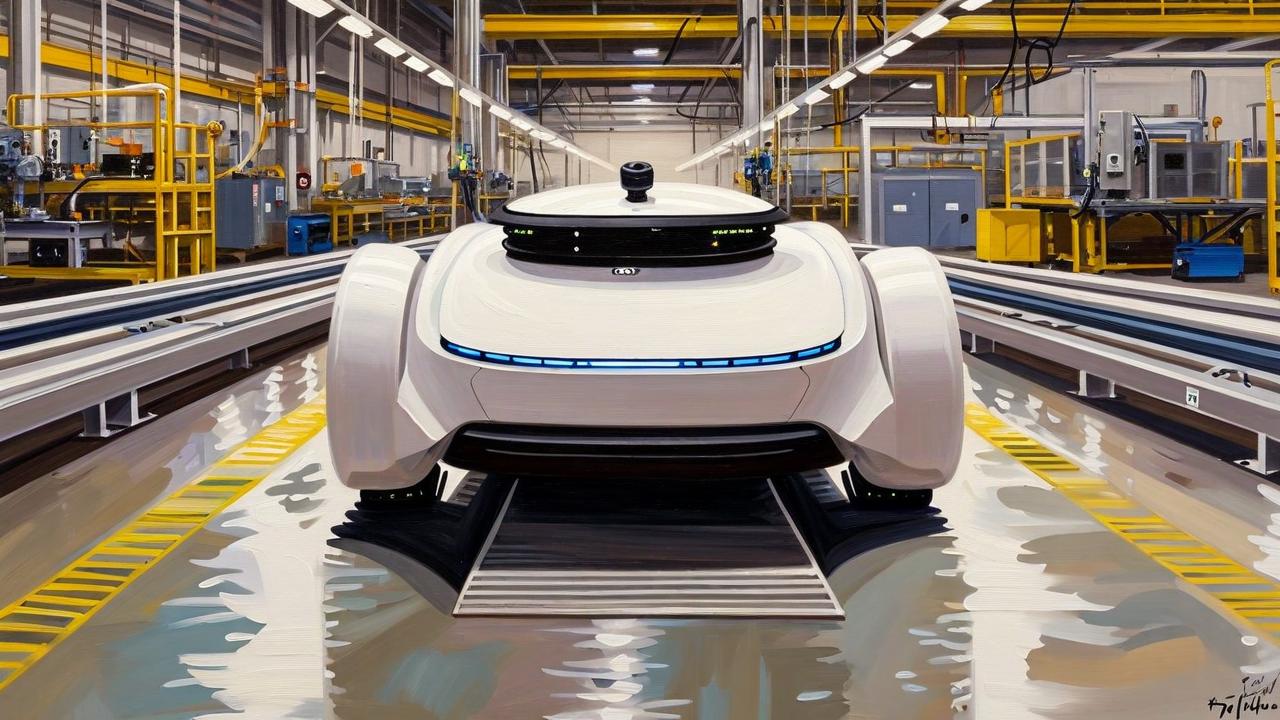

*this image is generated using AI for illustrative purposes only.
Pony AI Inc. (NASDAQ: PONY) reported a 534% year-over-year surge in robotaxi revenue for the first half of FY26, reaching $20.64 million. Despite this growth and achieving single-vehicle profitability in Guangzhou and Shenzhen, the company’s net loss widened to $98.86 million.
The autonomous driving operator’s total revenue nearly doubled to $70.47 million in the six months ended June 30, 2026. Robotaxi services now account for 29.3% of total revenue, up from 9.2% in the prior year period. Passenger fare growth accelerated during the period, rising from 456.5% in Q1 to 849.3% in Q2.
Financial Performance
While top-line growth was robust, profitability remains constrained by high operational costs. R&D expenses totaled $104.1 million, exceeding total revenue for the period. Cash used in operating activities rose to $118.2 million. The company’s gross margin stood at 16.9%, significantly lower than peer WeRide’s 36.6%, though WeRide’s mix includes L2 and L3 autonomous driving businesses.
| Metric | H1FY26 | H1FY25 | Change |
|---|---|---|---|
| Total Revenue | $70.47 million | ~$35 million | +~100% |
| Robotaxi Revenue | $20.64 million | $3.26 million | +534% |
| Net Loss | $98.86 million | N/A | Widened |
| Gross Margin | 16.9% | N/A | N/A |
Fleet Expansion and Strategy
Pony AI expanded its global robotaxi fleet to 1,975 vehicles by end-June, with plans to exceed 3,500 vehicles by year-end. The company reported over 1.5 million registered users in China, with average weekly paid orders in May more than double those in January.
To manage capital intensity, Pony AI is shifting toward a "co-built fleet model," where partners own vehicles while Pony AI provides technology and earns revenue from sales, virtual driver services, and fare sharing. Revenue from this model saw significant sequential growth in Q2. Overseas, the company plans to deploy over 2,000 robotaxis across five European cities in partnership with Uber, bringing committed overseas vehicles to over 4,000.
What the Numbers Show
R&D spending of $104.1 million exceeded total revenue of $70.47 million, indicating that current commercial scale is insufficient to fund development internally. CFO Wang Haojun noted that positive cash flow requires deploying 40,000 to 50,000 robotaxis domestically, a threshold far beyond the current fleet size and year-end target.
Market Reaction
Pony AI’s Hong Kong-listed shares fell more than 5% following the results, closing at HK$58.60, down over 50% from its IPO price of HK$139. The price-to-sales ratio has contracted from approximately 100x at listing to 27x. Peer WeRide shares also trade roughly 40% below their issue price, with a P/S ratio of 17x.

How will the transition to the 'co-built fleet model' impact Pony AI's gross margins and capital expenditure requirements in FY27?
What specific regulatory or operational hurdles could delay the deployment of 2,000 robotaxis across five European cities with Uber?
Given that R&D spending exceeded total revenue, will Pony AI need to raise additional capital to bridge the gap to the 40,000-vehicle threshold for positive cash flow?
 18
18









 Access Market Heat-map & Insights
  Create, Save & Share your Screener
  Use 200+ Screening Filters





