

Oracle Financial Services files BRSR for FY26 with ESG metrics


Oracle Financial Services Software filed its Business Responsibility and Sustainability Report for FY26, detailing reduced energy consumption to 36,154 GJ and water usage to 26,717 kL. The report, assured by SGS India, highlights a workforce of 8,975 employees with 32.4% women and confirms full compliance with environmental regulations.


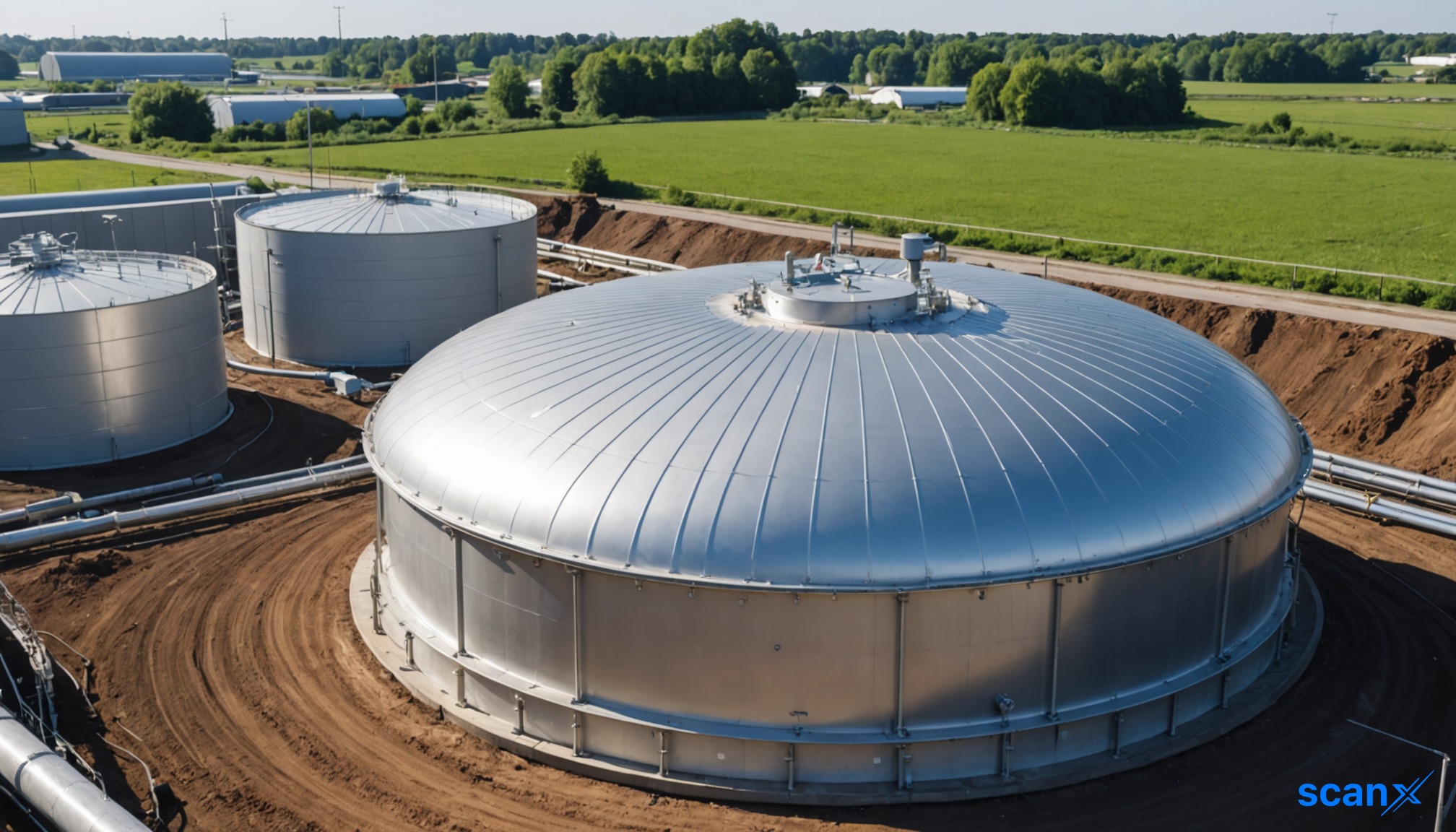
*this image is generated using AI for illustrative purposes only.
Oracle Financial Services Software has filed its Business Responsibility and Sustainability Report (BRSR) for the financial year ended March 31, 2026, with the National Stock Exchange of India and BSE Ltd. The filing, submitted by Company Secretary Onkarnath Banerjee, provides a comprehensive overview of the company's environmental, social, and governance (ESG) performance. The report includes an independent assurance statement on BRSR core indicators provided by SGS India Private Limited, confirming reasonable assurance for the specified data.
Environmental Performance
The company reported a total energy consumption of 36,154 GJ for FY26, a decrease from 42,597 GJ in the previous year. Energy intensity per rupee of turnover improved to 0.63 GJ/million ₹ from 0.84 GJ/million ₹ in FY25. The company sourced 8,176 GJ of electricity from renewable sources, including onsite rooftop solar panels and third-party procurement. Consequently, the total Scope 1 and Scope 2 greenhouse gas emissions were 7,235 metric tons of CO2 equivalent, with an emission intensity of 0.13 tCO2e/million-₹.
Water consumption also decreased to 26,717 kiloliters in FY26 from 32,149 kiloliters in FY25, resulting in a water intensity of 0.47 KL/million ₹. The company generated 86.05 metric tons of waste, of which 116.90 metric tons were recovered through recycling operations. The report confirms compliance with all applicable environmental laws and regulations in India, with no non-compliances reported during the financial year.
Social and Governance Metrics
As of March 31, 2026, the company had a total workforce of 8,975 employees, comprising 8,347 permanent and 628 other-than-permanent employees. Women constituted 32.4% of the total workforce. The Board of Directors included three female members, representing 37.5% of the Board. The company reported a permanent employee turnover rate of 12.6% for FY26, compared to 11.6% in the previous year.
The company received 91 shareholder complaints during the year, all of which were resolved, compared to 72 complaints in the previous year. Two complaints regarding sexual harassment were filed, with one pending resolution at the end of the year. The report highlights that 100% of permanent employees were covered by performance and career development reviews. The company's Code of Ethics and Business Conduct governs its grievance redress mechanism for all stakeholders.
Key Financial and Operational Disclosures
| Parameter | FY 2025-26 | FY 2024-25 |
|---|---|---|
| Energy Consumption | ||
| Total Energy Consumed (GJ) | 36,154 | 42,597 |
| Energy from Renewable Sources (GJ) | 8,176 | 7,327 |
| Energy Intensity (GJ/million ₹) | 0.63 | 0.84 |
| Water Consumption | ||
| Total Water Consumption (kL) | 26,717 | 32,149 |
| Water Intensity (KL/million ₹) | 0.47 | 0.63 |
| GHG Emissions | ||
| Total Scope 1 Emissions (tCO2e) | 453 | 374 |
| Total Scope 2 Emissions (tCO2e) | 6,782 | 6,819 |
| Employee Statistics | ||
| Total Employees | 8,975 | 8,630 |
| Female Employees (%) | 32.4% | 31.9% |
| Permanent Employee Turnover | 12.6% | 11.6% |
The Business Responsibility Committee of the Board, chaired by the Managing Director & CEO, oversees the implementation and oversight of the company's sustainability policies. The company aligns its ESG commitments with Oracle Corporation's global initiatives.
Historical Stock Returns for Oracle Financial Services Software
| 1 Day | 5 Days | 1 Month | 6 Months | 1 Year | 5 Years |
|---|---|---|---|---|---|
| +2.70% | +1.62% | -9.55% | +46.69% | +15.49% | +124.59% |

How will Oracle Financial Services Software maintain the momentum of reduced energy intensity as operations scale up in FY27?
What specific strategies will be implemented to address the increase in permanent employee turnover from 11.6% to 12.6%?
Are there plans to increase the proportion of renewable energy sourcing beyond the current 22.6% to further lower Scope 2 emissions?
 16
16






 Access 50+ Readymade Screeners
  Use 200+ Custom Filters
  Get Full Market Insights





