

NTPC signs 25-year PPA with 247Solar for round-the-clock power


- NTPC signed a 25-year Power Purchase Agreement with 247Solar
- Project deploys ~1MW hybrid system at Bhadla Solar Park, Rajasthan
- Technology stores heat for up to 20 hours to enable round-the-clock power
- System integrates 400 kW modular plant with several hundred kW of PV

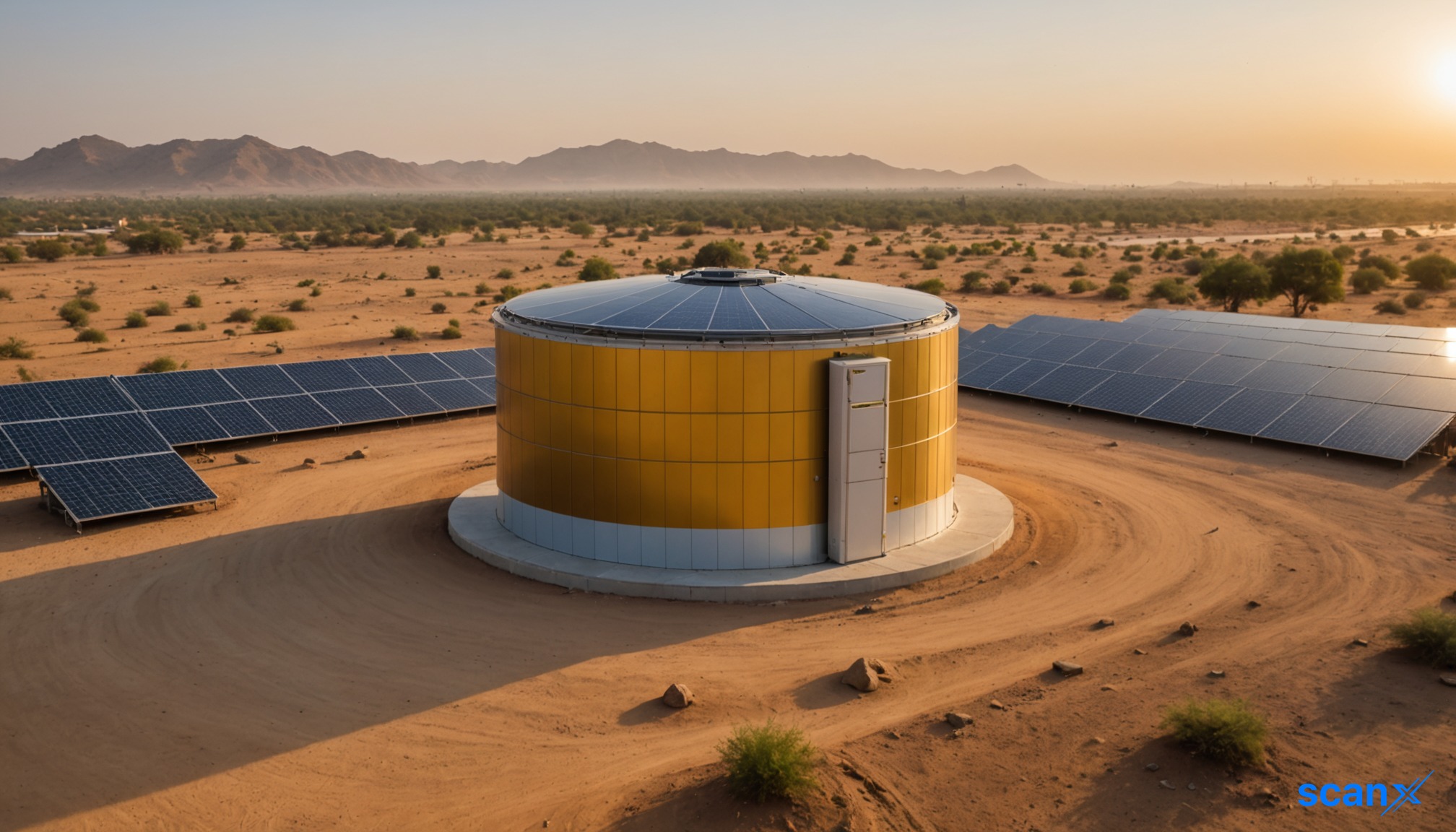

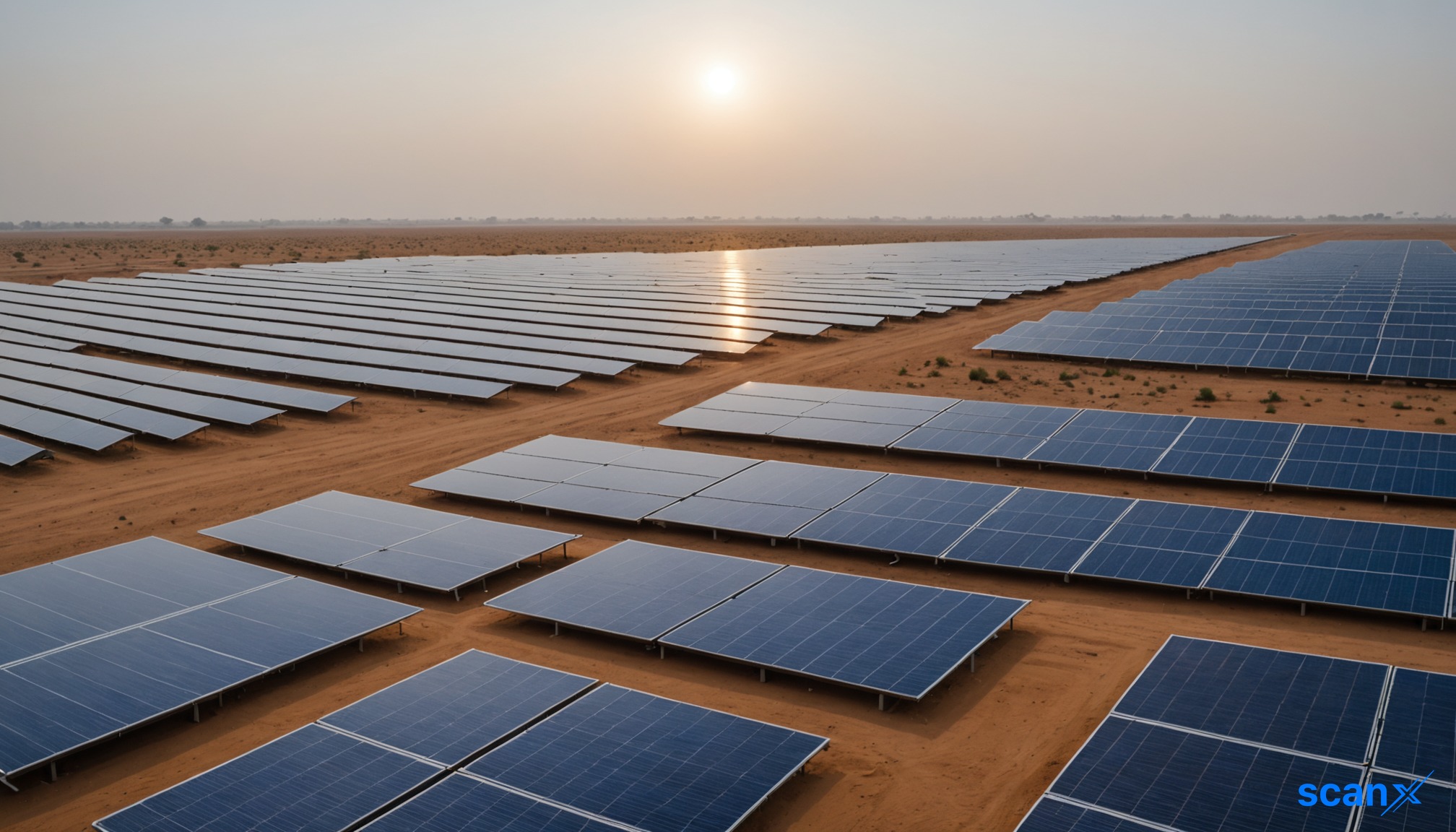
*this image is generated using AI for illustrative purposes only.
NTPC Limited has signed a 25-year Power Purchase Agreement with 247Solar, a Virginia-based company, to deploy advanced solar thermal technology. This marks the first commercial project for the technology, which aims to generate round-the-clock clean electricity and reduce reliance on coal.
The deployment will take place at the Bhadla Solar Park in Rajasthan, one of the world's largest solar energy hubs. The project involves installing a ~1MW hybrid system that integrates one 400 kW modular 247Solar Plant with several hundred kilowatts of photovoltaic (PV) capacity. The site was selected for its abundant sunshine and easy interconnection for offtake.
Technology and operational capabilities
247Solar’s system improves upon first-generation Concentrated Solar Power (CSP) technologies by simplifying design and enhancing scalability. The technology uses mirrors to concentrate sunlight on a tower, heating ceramic pellets that store thermal energy for up to 20 hours. This stored heat allows turbines to generate electricity without combustion during normal conditions, addressing the intermittency issues associated with conventional solar and wind power.
If stored heat runs low due to extended cloudy weather or overnight demand, the same turbines can operate using liquid or gaseous fuels, including natural gas, green hydrogen, or diesel. This flexibility ensures uninterrupted power production. The system also provides heat up to 1000°C (over 1800°F) for industrial processes.
Strategic significance for India’s energy grid
India is currently racing to meet surging electricity demand, often building coal capacity alongside renewable sources to cover gaps when solar panels are inactive. NTPC will test whether this new solar thermal solution can effectively close that gap. Success of this pilot could position Rajasthan as a proving ground for the technology and encourage broader adoption across India.
Bruce Anderson, founder and CEO of 247Solar, stated that the technology solves the problem of intermittent renewable power while avoiding the costs and pollution of outdated coal plants. The project is backed by the Rajasthan Renewable Energy Corporation Limited, which has approved preliminary studies, site surveys, and structural tests.
Key benefits over traditional CSP
The company highlights several advantages of its modernized system compared to traditional CSP technology:
- Lower cost
- Speed to power
- Simplicity of design and operation
- High reliability
- Grid independence
- Cost-effective baseload power
What the Numbers Show
The integration of a 400 kW modular unit with existing PV infrastructure at Bhadla Solar Park illustrates a hybrid approach to energy stability. By combining PV generation with a thermal storage system capable of 20-hour discharge, the project directly targets the evening peak demand period when solar output typically ceases. This configuration suggests a strategic shift toward baseload-capable renewables, potentially reducing the need for coal-fired peaking plants in the region.
Historical Stock Returns for NTPC
| 1 Day | 5 Days | 1 Month | 6 Months | 1 Year | 5 Years |
|---|---|---|---|---|---|
| -1.29% | -4.65% | -8.36% | -24.51% | -12.54% | +102.23% |

How will the Levelized Cost of Energy (LCOE) for this 247Solar pilot compare to existing coal-fired peaking plants in Rajasthan?
What specific regulatory frameworks or tariff structures are being developed to compensate for the dispatchable nature of this solar thermal technology?
Can NTPC scale this modular design to gigawatt-level projects without encountering supply chain bottlenecks for ceramic thermal storage components?










 Access Market Heat-map & Insights
 Create, Save & Share your Screener
 Use 200+ Screening Filters





