Starlink ready to connect India; Reliance defends regulatory process

scanx
Reviewed by
Naman SScanX News Team
Key Highlights
  • Starlink states it is ready to connect India after building infrastructure over five years
  • Reliance Industries notes Jio’s satellite services also await government clearances
  • Elon Musk responded positively to Reliance’s statement on regulatory fairness
  • US diesel prices rose to $6.3261 per gallon ahead of Rubio’s Jamnagar visit
powered bylight_fuzz_icon
53706451

*this image is generated using AI for illustrative purposes only.

Reliance Industries defended India’s uniform regulatory approval process on October 16, stating that its own satellite services await clearances. This response came as Starlink announced it is prepared to launch high-speed internet in the country.

Space Exploration Technologies Corp.’s Starlink said it spent more than five years working with Indian regulators and operators. The company confirmed it established dedicated systems and gateways within India to serve domestic traffic securely. "Starlink is ready to connect India with high-speed internet," the company stated on X.

Reliance Industries issued a statement emphasizing that openness rests on the rule of law. The company noted that the Government of India applies the same process to every applicant, whether Indian or foreign. It highlighted that Jio’s satellite services are currently awaiting necessary clearances, mirroring the status of other entrants.

Strategic Energy Ties

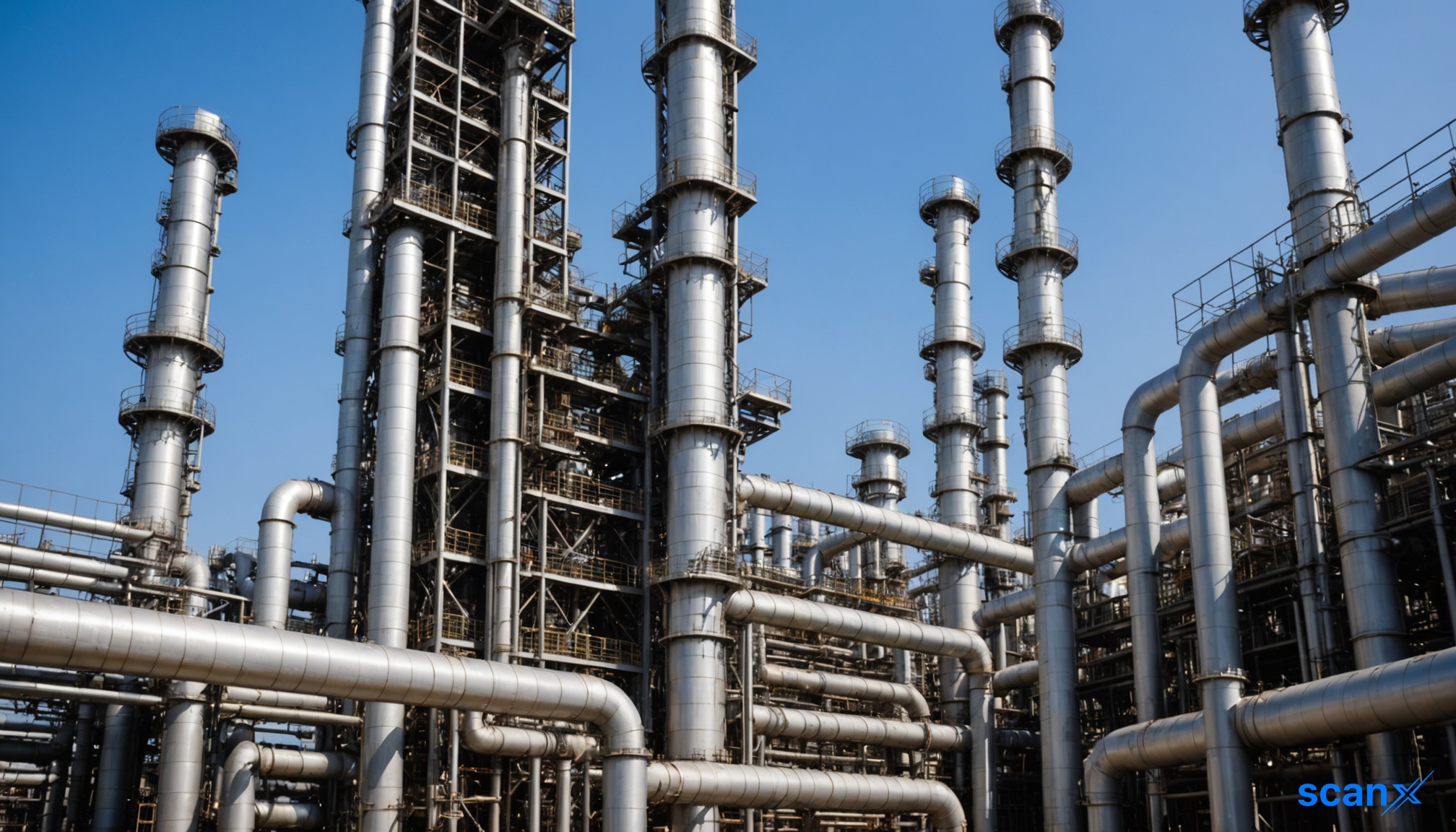
The diplomatic visit by U.S. Secretary of State Marco Rubio to Jamnagar occurs amid rising U.S. diesel prices. The Jamnagar facility, capable of processing more than 1.2 million barrels per day, handles heavy, high-sulphur crude. U.S. Ambassador Sergio Gor noted the visit reflects Reliance’s investment in a U.S. refinery project.

President Donald Trump unveiled a planned $300 billion refinery project in Brownsville, Texas, backed by the Indian energy company. Developed by America First Refining, the facility is expected to process about 60 million barrels of U.S. light shale oil annually, with construction scheduled to begin in Q2FY26.

Metric Current Value Prior Week Year Ago
US Diesel Price (per gallon) $6.3261 $6.2785 $3.6491

Musk-Ambani Dispute Simmers

Elon Musk responded to Reliance’s statement with a brief "Much appreciated" on X. This marks a shift in tone from recent public disputes where Musk accused Jio supporters of making contradictory claims about Starlink’s competitive threat. He argued that allowing Starlink to compete would provide consumers more choices.

Starlink, Jio Platforms’ satellite business, and Bharti-backed Eutelsat OneWeb have received operating licenses but still await security clearances required to launch services. The exchange comes as Jio Platforms seeks a $108 billion valuation in what could become India’s largest IPO. SpaceX went public in June.

What the Numbers Show

The juxtaposition of rising U.S. fuel costs and Reliance’s expanding refining footprint highlights a strategic dependency. With U.S. diesel prices up significantly from $3.6491 a year ago, the operational capacity of Jamnagar becomes critical for global supply stability. Simultaneously, Reliance’s involvement in the proposed Brownsville project suggests a bid to secure domestic U.S. processing capacity for shale oil, potentially mitigating logistical bottlenecks while maintaining its ability to process diverse crude grades like Venezuela’s heavy oil.

Historical Stock Returns for Reliance Industries

1 Day5 Days1 Month6 Months1 Year5 Years
-0.76%+2.71%-3.06%-10.52%-14.04%0.0%
Disclaimer: This article is AI-generated using data from ViewTrade. ScanX is not liable for any inaccuracies.

How might the resolution of security clearances for Starlink and Jio impact the competitive landscape and pricing of India's broadband market?

What are the potential regulatory hurdles or political risks facing the $300 billion Brownsville refinery project given the current U.S. energy policy environment?

Could sustained high U.S. diesel prices accelerate the timeline for Reliance's investment in domestic U.S. refining capacity to stabilize supply chains?

Jio Platforms fixes IPO price band at ₹1,065-₹1,119, opens Oct 21

scanx
Reviewed by
Anirudha BScanX News Team
Key Highlights
  • Price band set at ₹1,065 to ₹1,119 per equity share
  • Minimum bid lot fixed at 12 shares with multiples thereafter
  • Eligible employees receive a ₹54 discount per share
  • Subscription window opens October 21, closes October 23, 2026
powered bylight_fuzz_icon
53320626

*this image is generated using AI for illustrative purposes only.

Reliance Industries subsidiary Jio Platforms Limited fixed its IPO price band at ₹1,065 to ₹1,119 per equity share on October 14, 2026. This decision advances plans for the $106 billion issue, which opens for subscription on Wednesday, October 21.

The IPO Committee of Jio Platforms’ Board approved the price range, employee discount, and minimum bid lot in a meeting held today. The filing follows the submission of the Draft Red Herring Prospectus in June 2026 and receipt of SEBI’s observation letter in August 2026. The issue involves a fresh offering of up to 27 crore equity shares with a face value of ₹10 each.

IPO Structure and Bid Details

The approved terms specify a floor price of ₹1,065 and a cap price of ₹1,119. Investors must bid for a minimum of 12 equity shares, with subsequent bids in multiples of 12 shares. Eligible employees bidding under the Employee Reservation Portion will receive a discount of ₹54 per share.

Anchor investor bidding is scheduled for Monday, October 19, 2026. The company has reserved equity shares for specific categories to ensure broad participation:

  • Eligible Employees: Reservation for a value not exceeding ₹500 crore.
  • Eligible RIL Shareholders: Reservation for a value not exceeding ₹2,500 crore for individuals and HUFs who are public equity shareholders of Reliance Industries as of the RHP filing date.

Competitive Landscape and Regulatory Context

This procedural milestone occurs amidst heightened public scrutiny regarding market competition. Earlier this year, SpaceX CEO Elon Musk labeled Jio’s telecom business a "de facto monopoly" in India, intensifying disputes over Starlink’s potential market entry. Musk criticized arguments portraying Jio’s low prices as unmatchable while simultaneously suggesting Starlink could become too powerful, terming such views "absurd hypocrisy."

Both Starlink and Reliance’s satellite internet venture are awaiting final security clearance from the Indian government. Musk has accused the government and Reliance chairman Mukesh Ambani of delaying Starlink’s entry to protect Jio’s position, a claim the government rejected by stating all satellite ventures undergo identical clearance processes.

What the Numbers Show

The progression from DRHP filing to RHP filing within four months signals regulatory readiness for India’s largest-ever IPO. While the $106 billion valuation reflects Jio’s terrestrial dominance, the reservation of ₹2,500 crore for existing Reliance shareholders indicates a strategic effort to consolidate retail investor confidence ahead of listing. This contrasts with external competitive pressures, where regulatory delays for satellite entrants like Starlink remain unresolved, potentially preserving Jio’s near-term pricing power.

Metric Detail
Target Valuation $106 billion
Price Band ₹1,065 - ₹1,119 per share
Fresh Issue Size Up to 27 crore shares
Face Value ₹10 per share
Minimum Bid Lot 12 shares
Anchor Bidding Date October 19, 2026
Subscription Window October 21 to October 23, 2026
Employee Discount ₹54 per share
RIL Shareholder Reservation Up to ₹2,500 crore

Historical Stock Returns for Reliance Industries

1 Day5 Days1 Month6 Months1 Year5 Years
-0.76%+2.71%-3.06%-10.52%-14.04%0.0%

How will the final pricing at the upper or lower end of the ₹1,065–₹1,119 band impact Jio Platforms' post-listing market capitalization relative to global tech peers?

What specific regulatory conditions must Starlink and Reliance's satellite ventures meet to secure final security clearance, and how might delays affect Jio's long-term valuation narrative?

Will the ₹2,500 crore reservation for existing Reliance shareholders lead to significant dilution effects or shift retail investor sentiment toward other large-cap Indian equities?

More News on Reliance Industries

1 Year Returns:-14.04%