

Nike Greater China revenue falls to $5.85 billion in FY26


- Greater China revenue fell to $5.85 billion in fiscal 2026 from $7.55 billion in fiscal 2024
- Segment operating profit declined to $1.28 billion in fiscal 2026 from $2.31 billion in fiscal 2024
- Partner-operated online storefronts will stop selling most Nike products in mainland China starting January 2027
- Analysts forecast fiscal Q1 2027 Greater China revenue to drop 12.6% to approximately $1.3 billion



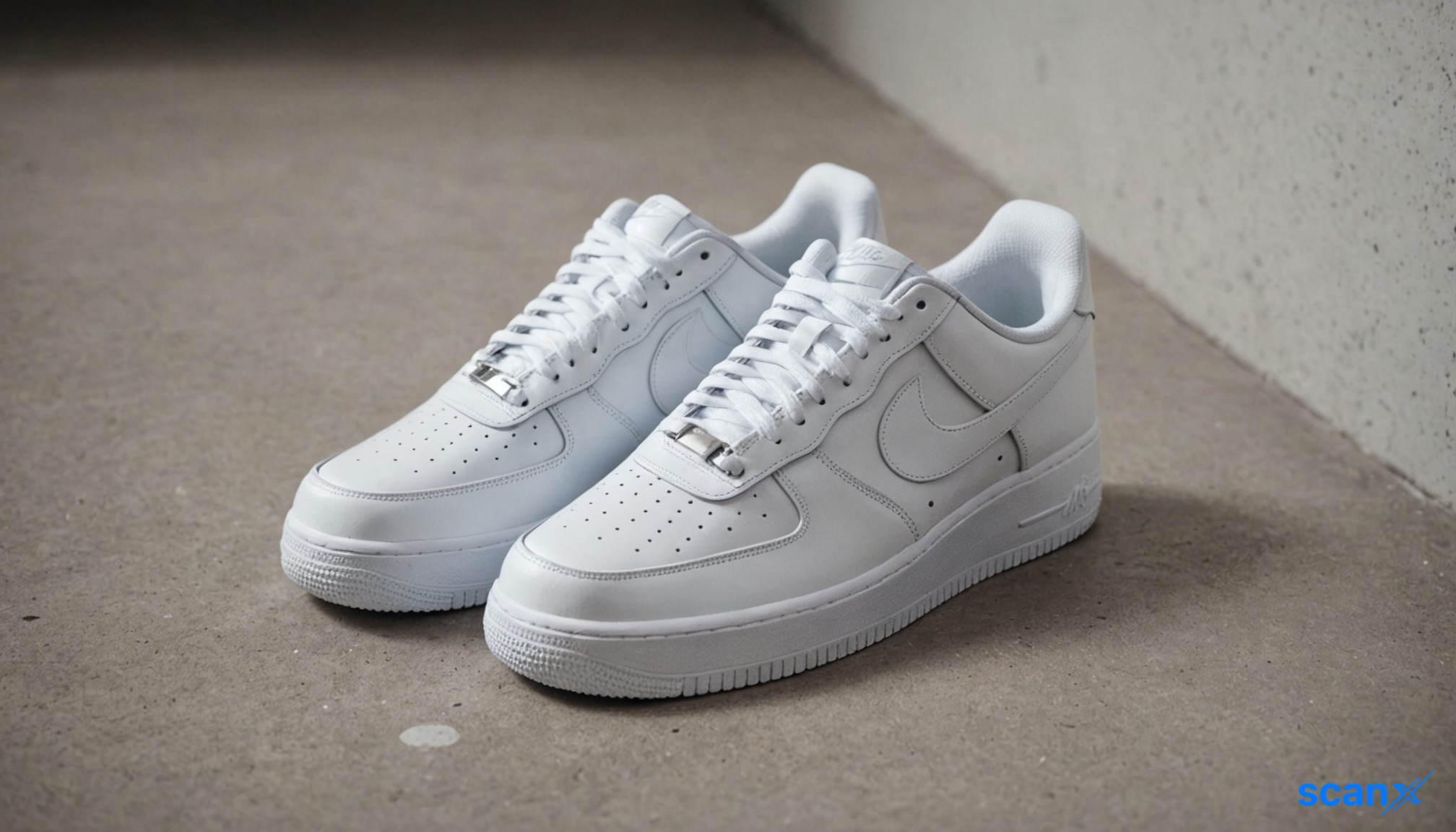
*this image is generated using AI for illustrative purposes only.
Nike Inc (NYSE: NKE) reported a significant decline in its Greater China business, with fiscal 2026 revenue dropping to $5.85 billion from $7.55 billion two years prior. The sharp contraction has prompted a strategic overhaul focused on local product development and digital distribution control.
Margin pressure intensifies
The financial deterioration in the region is evident in both top-line and bottom-line metrics. While revenue fell, segment operating profit contracted more severely, sliding from $2.31 billion in fiscal 2024 to $1.28 billion in fiscal 2026. This divergence suggests that the cost of maintaining market presence or the loss of high-margin channels is outpacing the rate of sales decline.
| Metric | Fiscal 2024 | Fiscal 2026 | Change |
|---|---|---|---|
| Greater China Revenue | $7.55 billion | $5.85 billion | Down |
| Segment Operating Profit | $2.31 billion | $1.28 billion | Down |
Nike faces stiff competition from domestic rivals such as Anta Sports and Li Ning, which have captured consumer preference by responding faster to local sports trends. Reuters reported in July that Nike experienced eight consecutive quarters of declining China sales before announcing its latest distribution changes.
Strategic pivot to local agility
To address these challenges, Nike is restructuring its operational model in China. The company plans to halt sales of most Nike products through partner-operated online storefronts in mainland China beginning January 2027. Digital sales will be concentrated on Nike.com.cn, the official app, and flagship stores on Tmall, JD.com (NASDAQ: JD), and Douyin.
Simultaneously, Nike has expanded its local product creation capabilities. Cathy Sparks, vice president and general manager for Greater China, stated that the local product-creation team size has doubled. The company appointed its first Greater China vice president of local product creation, tasked with designing and manufacturing products specifically for Chinese consumers. The first apparel collection created entirely in China is scheduled for launch during the upcoming holiday season.
What the numbers show
The disparity between revenue decline and profit decline highlights a structural margin issue. Revenue fell by approximately 22.5% over the two-year period, while operating profit dropped by nearly 44.6%. This indicates that the remaining revenue base is generating significantly less profit per dollar than in previous years, likely due to the loss of efficient third-party distribution networks or increased investment in direct-to-consumer infrastructure without immediate scale benefits.
Earnings outlook
The strategic reset carries near-term costs. Analysts expect Greater China revenue to fall 12.6% to about $1.3 billion in fiscal Q1 2027, partly due to the removal of third-party online sellers who previously contributed significantly to sales volume. Investors will scrutinize the October 1 earnings report for signs that demand and pricing are stabilizing. Longer-term guidance is expected to resume at the November 16-17 Investor Day.

How might the January 2027 removal of third-party online storefronts impact Nike's total addressable market in China compared to competitors like Anta and Li Ning?
Will the doubling of the local product creation team enable Nike to shorten its design-to-shelf cycle sufficiently to compete with domestic brands' speed-to-market advantages?
What specific metrics from the October 1 earnings report will best indicate whether the margin compression trend is stabilizing ahead of the November Investor Day?
 15
15











 Access 50+ Readymade Screeners
  Use 200+ Custom Filters
  Get Full Market Insights





