

MP Materials surges 9% as critical minerals sector leads market


- MP Materials shares rose 9.3% to $60.16, outperforming the Materials sector which gained 2.09%
- Rally driven by DOE selection of seven critical mineral projects and Trump's 'Unleashing American Energy' order
- Stock broke above 100-day and 200-day moving averages, though it remains in long-term recovery from a July death cross
- Analyst consensus remains Buy with an average price target of $71.79, despite recent cuts by JPMorgan, Needham, and Barclays
- DoD holds 15% equity stake in MP Materials, reinforcing strategic importance of domestic rare earth supply chains



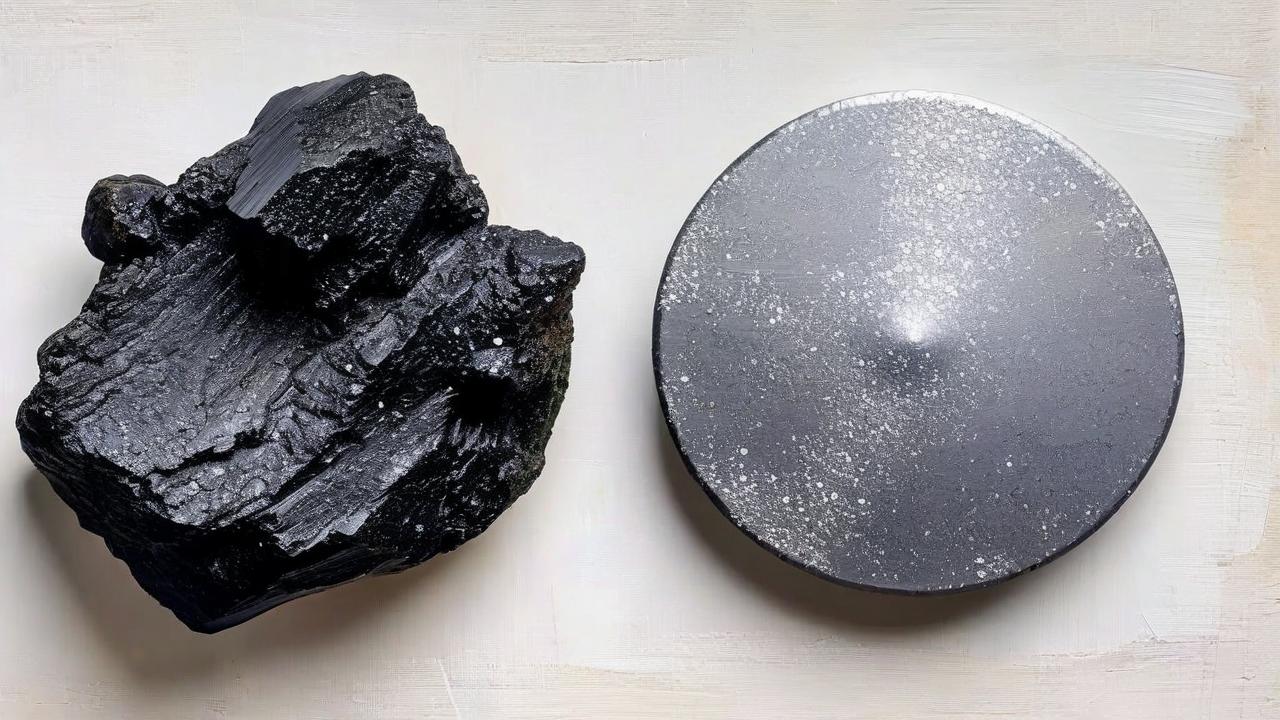
*this image is generated using AI for illustrative purposes only.
MP Materials Corp (NYSE: MP) shares rose 9.3% to $60.16 on Friday, outperforming the broader market as the Materials sector emerged as the day’s strongest performer, gaining 2.09%.
The rally was driven by a combination of policy support and technical breakout momentum. The U.S. Department of Energy recently selected seven projects aimed at expanding critical mineral processing and battery manufacturing capacity, aligning with President Donald Trump’s “Unleashing American Energy” executive order.
Sector Momentum and Policy Tailwinds
MP Materials significantly outperformed its peer group as investors reacted to the federal government’s continued push to strengthen domestic supply chains for critical minerals. The company operates Mountain Pass, the only rare earth mining and processing site of scale in North America.
This development builds on earlier trade and defense initiatives, including tariffs on foreign-made drones and expanded agreements with defense primes Boeing and RTX to scale interceptor missile production. These measures reinforce the long-term demand outlook for rare earth elements, which are essential for high-performance permanent magnets used in military ordnance and unmanned aerial vehicles.
Technical Breakout
Technically, MP moved above its 100-day and 200-day simple moving averages, trading well above its 20-day and 50-day averages. Momentum indicators improved, with the MACD above its signal line and a positive histogram, suggesting strengthening buying pressure.
However, the longer-term trend remains in recovery mode. The stock formed a “death cross” in July when its 50-day moving average fell below its 200-day average. Resistance sits near $61, while support is around $53.50. Holding above these longer-term moving averages is critical for sustaining the breakout.
Government Equity and Strategic Focus
The federal government is backing this magnet push with significant capital. The Department of Defense holds a 15% equity stake in MP Materials via a $400 million investment, guaranteeing a 10-year offtake agreement and price floor for its Texas magnet facility. Similarly, the administration acquired a 10% equity stake in USA Rare Earth (NASDAQ: USAR) as part of a $1.6 billion package.
President Trump recently urged the industrial base to “Do magnets,” highlighting the national security need for domestic rare earth permanent magnet production, a market currently dominated by Chinese manufacturing.
Analyst Outlook and ETF Exposure
Analysts maintain a Buy consensus rating with an average price forecast of $71.79. Recent adjustments include:
- JPMorgan: Maintained Overweight, lowered forecast to $60 on July 29.
- Needham: Maintained Buy, cut forecast to $73 on July 22.
- Barclays: Maintained Overweight, lowered forecast to $65 on July 16.
MP Materials has significant exposure through ETFs, including the VanEck Rare Earth and Strategic Metals ETF (NYSEARCA: REMX) with a 6.27% weighting, and the Sprott Critical Materials ETF (NASDAQ: SETM) with a 3.19% weighting. ETF flows can create additional buying pressure in heavily weighted holdings.
What the Numbers Show
MP Materials’ 9.3% single-day gain contrasts sharply with its 19.26% decline over the last year and 8.95% year-to-date rise. This divergence highlights how specific policy catalysts—such as the DOE project selections and defense mandates—can temporarily override longer-term technical weaknesses, such as the July “death cross,” driving sharp intraday reversals in critical minerals stocks.

How might the sustained government offtake agreements and price floors impact MP Materials' revenue stability if global rare earth commodity prices decline?
What are the potential risks to MP Materials' technical breakout if the stock fails to hold above the $61 resistance level amid broader market volatility?
Could the expansion of DOE-funded critical mineral projects lead to increased domestic supply competition that pressures MP Materials' market share and pricing power?
 16
16










 Access Market Heat-map & Insights
  Create, Save & Share your Screener
  Use 200+ Screening Filters





