

Milky Mist reaches 100% renewable energy self-sufficiency with new solar plant


- Commissioned a new 10 MW solar plant at Arasanoor, increasing total renewable capacity to 41 MW
- Achieved 100% energy self-sufficiency through renewable sources across all operations
- Total investment in renewable energy infrastructure stands at approximately ₹197 crore since 2016
- New capacity expected to reduce annual carbon emissions by approximately 16,000 tonnes

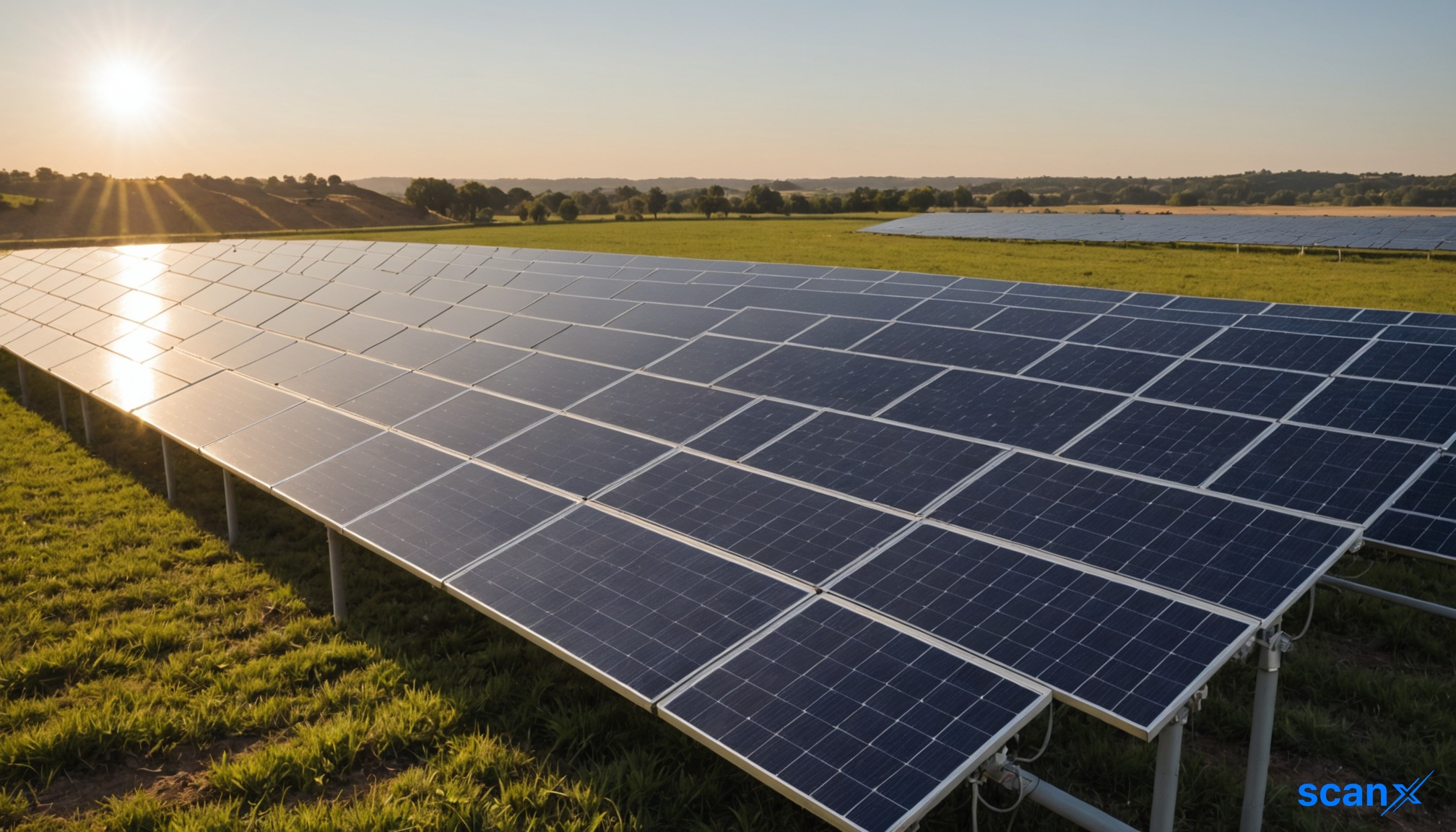

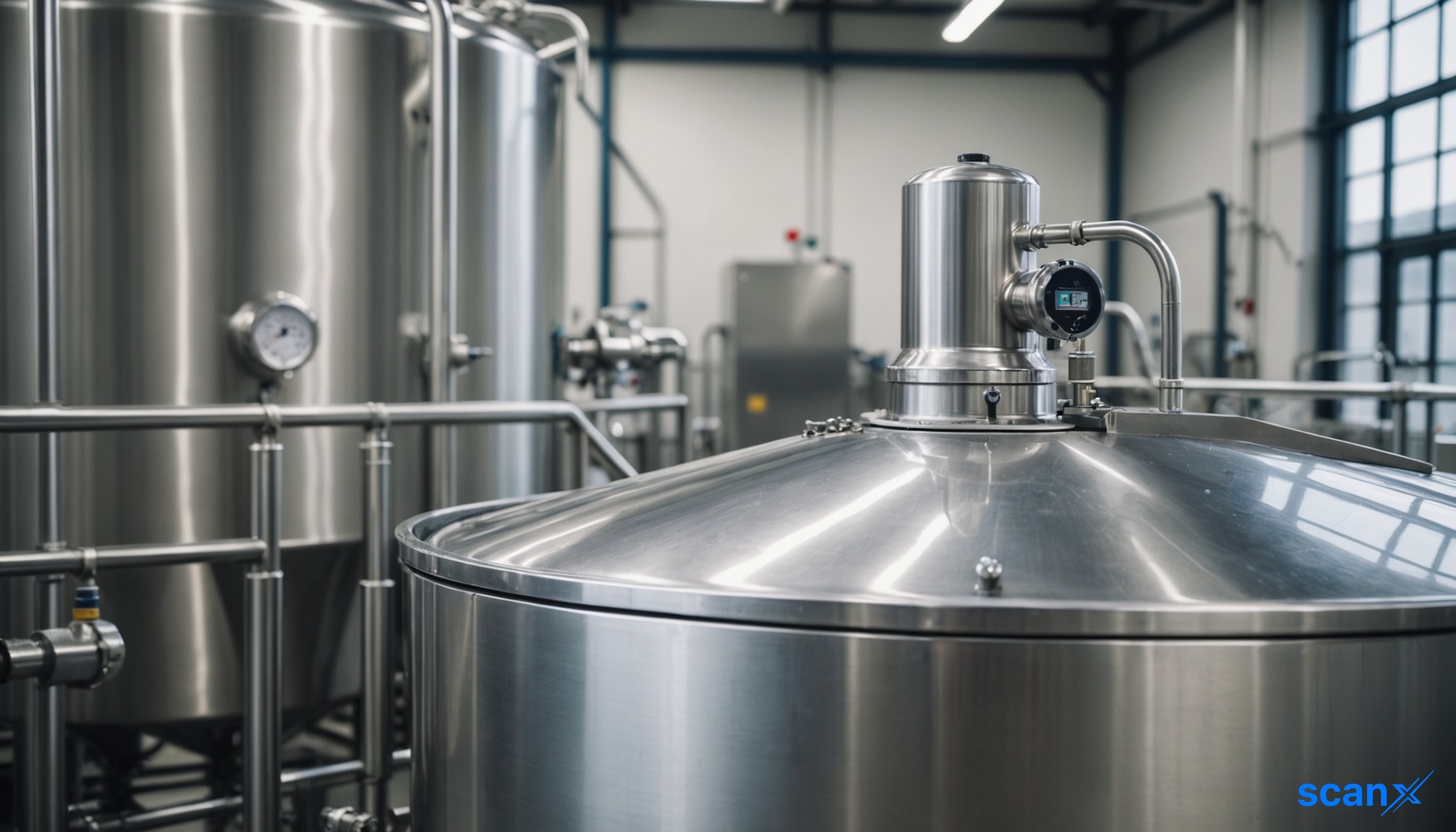
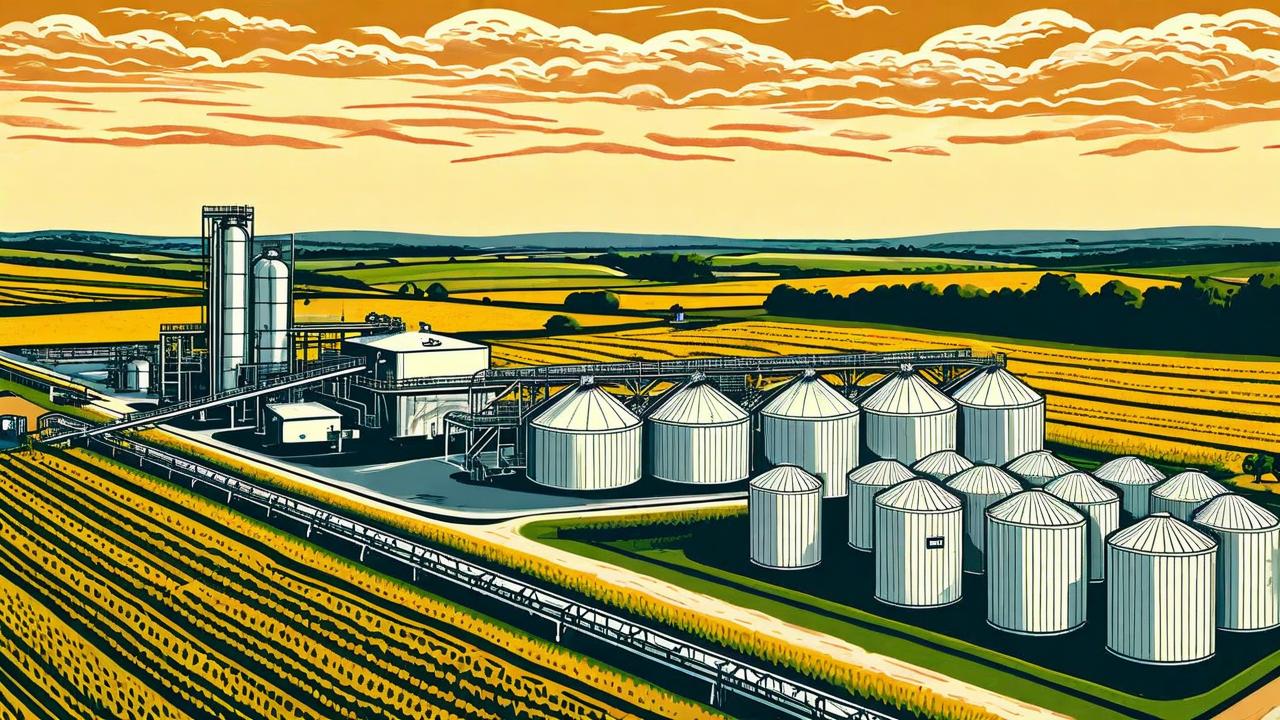
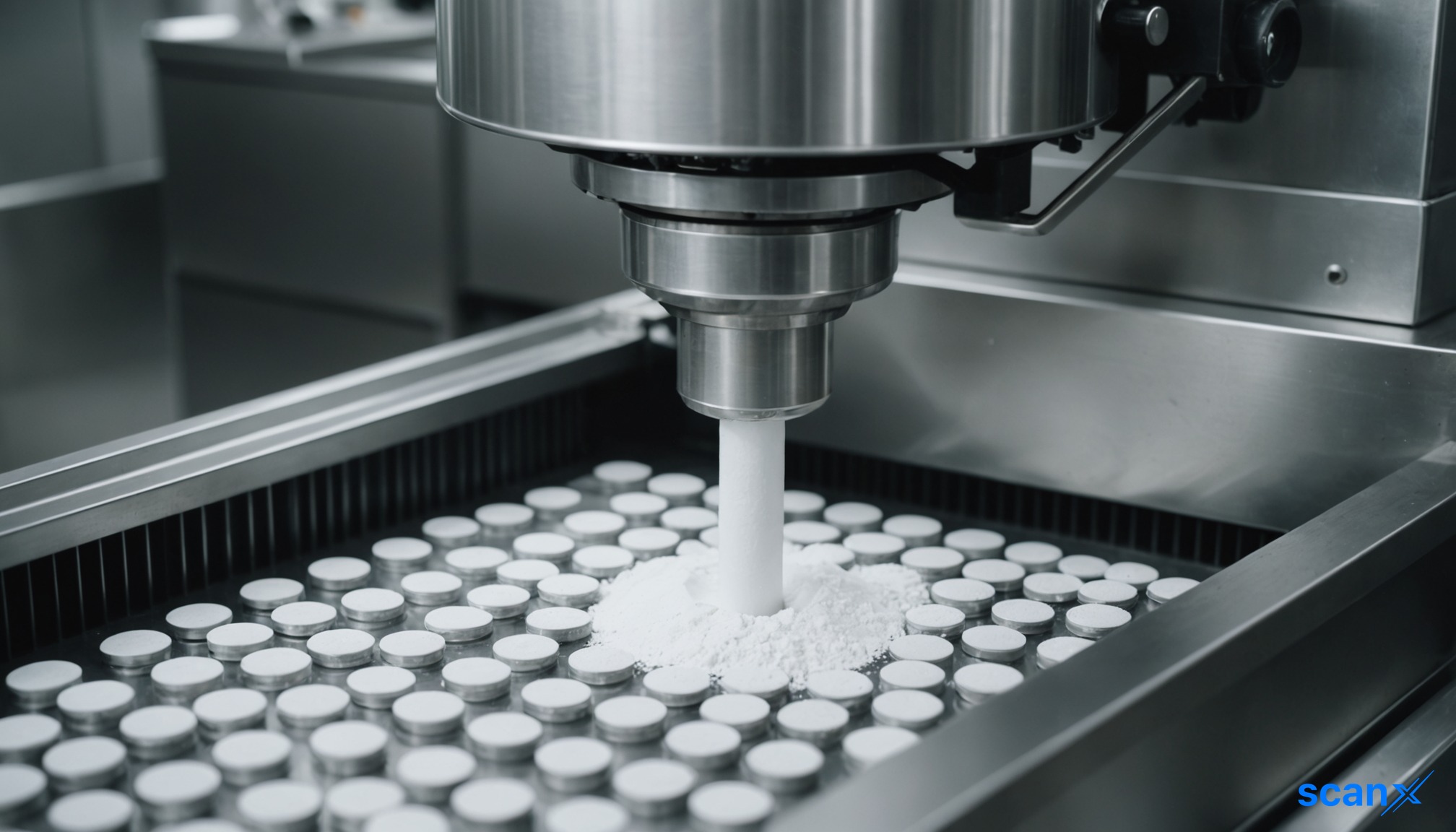
*this image is generated using AI for illustrative purposes only.
Milky Mist Dairy Food Limited has achieved 100% energy self-sufficiency through renewable sources following the commissioning of a new 10 MW solar power plant at Arasanoor. This addition brings the company's total renewable generation capacity to approximately 41 MW, fully meeting its operational power requirements.
The new facility complements an existing 15 MW solar plant at the same location, bringing the total investment in Arasanoor's 25 MW capacity to approximately ₹109.60 crore. The company reported this development on September 30, 2026, under Regulation 30 of SEBI (LODR) Regulations, 2015.
Renewable Capacity Breakdown
Milky Mist has expanded its renewable footprint across multiple sites in Tamil Nadu since initiating its first solar plant in 2016. The cumulative installed capacity now comprises solar and wind assets distributed across four locations.
| Location | Capacity | Type |
|---|---|---|
| Arasanoor | 25 MW | Solar |
| Kavilipalayam | 9 MW | Solar |
| Chithode | 5 MW | Solar |
| Kayathar | 2 MW | Wind |
| Total | 41 MW | Mixed |
Operational Impact and Investments
The combined 25 MW facility at Arasanoor is expected to generate approximately 2 million units of renewable electricity annually. This output supports the energy needs of the company's integrated manufacturing facility in Perundurai and its various milk chilling centres. The shift to renewable sources is projected to avoid approximately 16,000 tonnes of carbon emissions each year.
Since 2016, Milky Mist has invested close to ₹197 crore in renewable energy generation plants. These investments have cumulatively generated approximately 210 million units of power, valued at around ₹165 crore. The solar installations are designed for a minimum operating life of 28–30 years, with projected lifecycle generation of around 1,400 million units of electricity, equivalent to an estimated reduction of 1.35 million tonnes of CO₂ emissions.
Diversified Sustainability Measures
Beyond solar and wind power, the company employs steam turbine technology and a methane gas purification plant that generates approximately 15,000 units of electricity daily. Effluent treatment operations are leveraged for captive power generation, converting methane into Compressed Natural Gas (CNG). Additionally, biomass is used for boiler operations to further reduce dependence on conventional energy sources.
What the Numbers Show
The data reveals a strong correlation between capital expenditure and operational cost avoidance. With a total investment of ₹197 crore yielding ₹165 crore in value from generated power so far, the company is approaching a break-even point on its initial renewable investments within roughly a decade. Given the 28–30 year operational life of the plants, the remaining two decades represent pure margin expansion as the asset base continues to generate electricity without significant additional fuel costs. Furthermore, the ability to meet 100% of total power requirements via renewables insulates the company from volatile grid electricity tariffs, a critical factor for energy-intensive dairy processing operations.
Historical Stock Returns for Milky Mist Dairy Food
| 1 Day | 5 Days | 1 Month | 6 Months | 1 Year | 5 Years |
|---|---|---|---|---|---|
| -0.48% | +4.74% | +47.66% | +126.04% | +126.04% | +126.04% |

How will the projected margin expansion from the next two decades of renewable generation impact Milky Mist's long-term EBITDA margins compared to peers still reliant on grid power?
Given the approaching break-even point on the ₹197 crore investment, does the company plan to reinvest future energy cost savings into capacity expansion or return capital to shareholders?
What are the specific regulatory or market mechanisms, such as Renewable Energy Certificates (RECs), that could allow Milky Mist to monetize its excess sustainability credentials beyond internal cost avoidance?
 16
16







 Create Custom Screeners
  Access 200+ Pre-built Filters
  Use 50+ Readymade Screener





