

Microsoft stock rises 2% on planned Maia 300 AI chip launch


Microsoft stock rose 2% amid reports of the upcoming Maia 300 AI chip launch, aimed at reducing Nvidia reliance. The firm seeks TSMC capacity for 300,000+ chips by 2027, targeting 1 million long-term. Analysts hold a Buy consensus with a $552.40 average price target, despite technical extensions in the stock's price action.



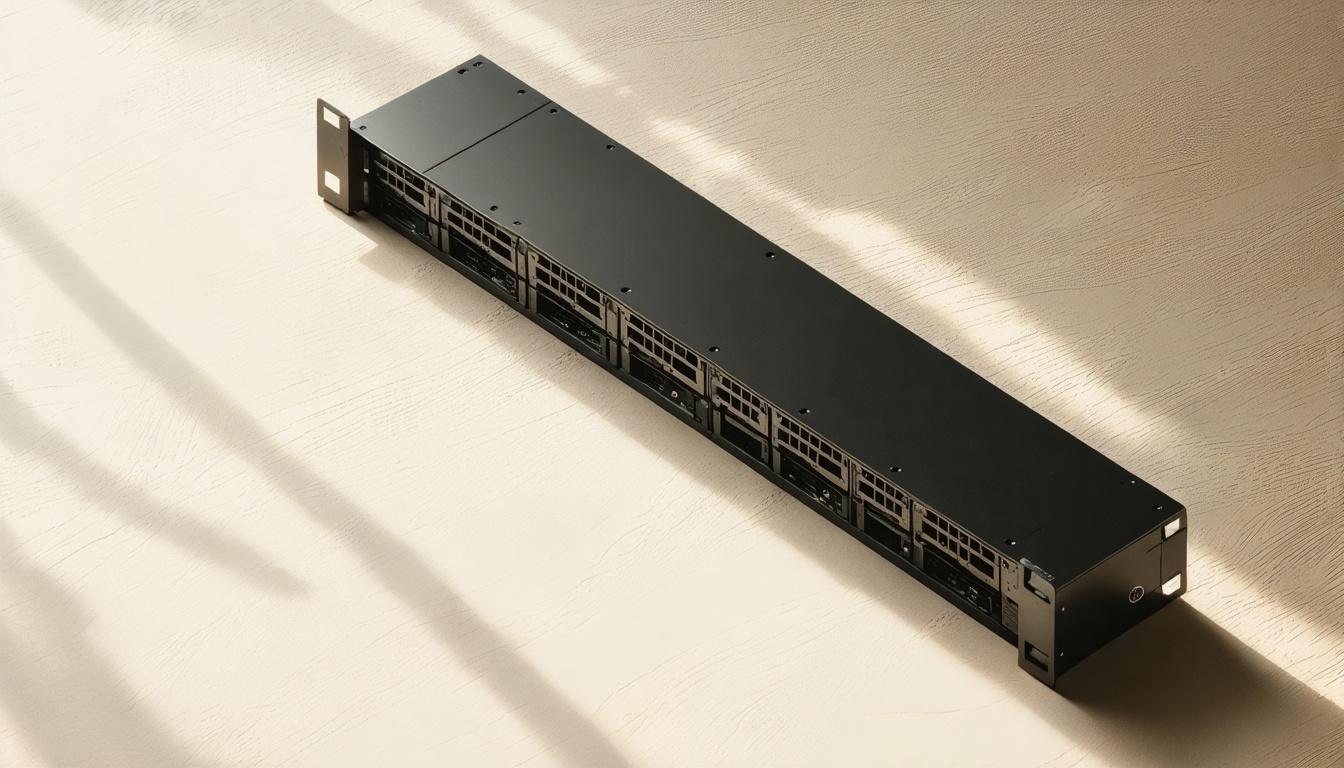
*this image is generated using AI for illustrative purposes only.
Microsoft Corp (NASDAQ: MSFT) shares rose almost 2% on Monday, outperforming broader technology indices as investors reacted positively to reports of an upcoming in-house AI chip launch. The Nasdaq Composite declined 0.25%, while the S&P 500 edged up 0.03%. Microsoft is accelerating its custom silicon strategy to unlock value in its cloud and AI infrastructure business, specifically targeting reduced reliance on costly processors from Nvidia Corp (NASDAQ: NVDA).
The company plans to unveil its new Maia 300 AI chip this fall, potentially as early as next month, according to reports from The Information citing sources with direct knowledge of the plans. This initiative represents a strategic shift toward vertical integration in hardware, allowing Microsoft to optimize performance for specific workloads and mitigate supply chain constraints associated with third-party GPU suppliers.
Production Targets and Supply Chain
Microsoft has engaged in discussions with Taiwan Semiconductor Manufacturing Co Ltd (NYSE: TSM) to secure fabrication capacity for more than 300,000 Maia 300 chips, with deliveries scheduled for 2027. The company’s ultimate objective is to secure capacity for more than 1 million Maia 300 chips. However, Reuters reported that component supplies and ongoing negotiations with TSMC could limit the realization of these maximum production targets.
| Metric | Detail |
|---|---|
| Chip Model | Maia 300 |
| Launch Window | Fall (potentially next month) |
| Initial Capacity Target | >300,000 units |
| Long-term Goal | >1 million units |
| Foundry Partner | Taiwan Semiconductor Manufacturing Co Ltd |
Competitive Context and Technology
Microsoft introduced its first-generation Maia AI chip in November 2023 and rolled out the second-generation Maia 200 in January. The Maia 200, manufactured by TSMC using 3-nanometer technology, features significant SRAM integration to enhance speed during high-volume user request handling. Despite these advancements, Microsoft has trailed Alphabet Inc (NASDAQ: GOOGL) and Amazon.com Inc (NASDAQ: AMZN) in scaling internal chip efforts. Google began recognizing revenue from direct Tensor Processing Unit sales in the quarter ended June, while Amazon has seen growing adoption of its Trainium chips.
Microsoft is now focusing on ramping production and persuading major cloud customers, such as Anthropic, to adopt the Maia architecture. This push aligns with a broader industry trend among cloud providers seeking cost-efficient computing alternatives to Nvidia’s expensive processors.
Market Position and Analyst Outlook
Technically, Microsoft shares were trading 18.6% above their 20-day simple moving average ($429.77) and 17.7% above the 200-day SMA ($433.04). This extension suggests the current rally is stretched relative to longer-term trends, which may engage momentum traders but also increases the probability of sharper pullbacks if buying pressure pauses.
Analyst sentiment remains bullish, with a consensus Buy rating and an average price forecast of $552.40. Recent upgrades include:
- Tigress Financial: Buy, raised forecast to $690.00 (Aug. 5)
- Bernstein: Outperform, raised forecast to $647.00 (July 30)
- Citigroup: Buy, raised forecast to $600.00 (July 30)
Microsoft carries significant weight in major ETFs, including the Fidelity MSCI Information Technology Index ETF (9.91%), NYLI US Large Cap R&D Leaders ETF (9.38%), and Principal Focused Blue Chip ETF (9.28%). These positions imply that substantial inflows or outflows from these funds will likely trigger automatic trading activity in MSFT shares.

How might Microsoft's successful scaling of the Maia 300 chip impact Nvidia's market share and pricing power in the enterprise AI infrastructure sector?
What specific technical or commercial hurdles could prevent Microsoft from meeting its long-term goal of producing over 1 million Maia 300 units by 2027?
Will major cloud customers like Anthropic prioritize Microsoft's custom silicon over Nvidia's GPUs, and what incentives is Microsoft offering to drive this adoption?
 20
20








 Access Market Heat-map & Insights
  Create, Save & Share your Screener
  Use 200+ Screening Filters





