Yes Bank to host Citi India Financials Investor Forum meet

scanx
Reviewed by
Riya DScanX News Team
Key Highlights
  • Yes Bank will attend the Citi India Financials Investor Forum virtually
  • Meetings are scheduled for September 21 to 25, 2026
  • Engagement includes both group sessions and one-on-one meetings
  • No unpublished price-sensitive information will be shared
powered bylight_fuzz_icon
51108703

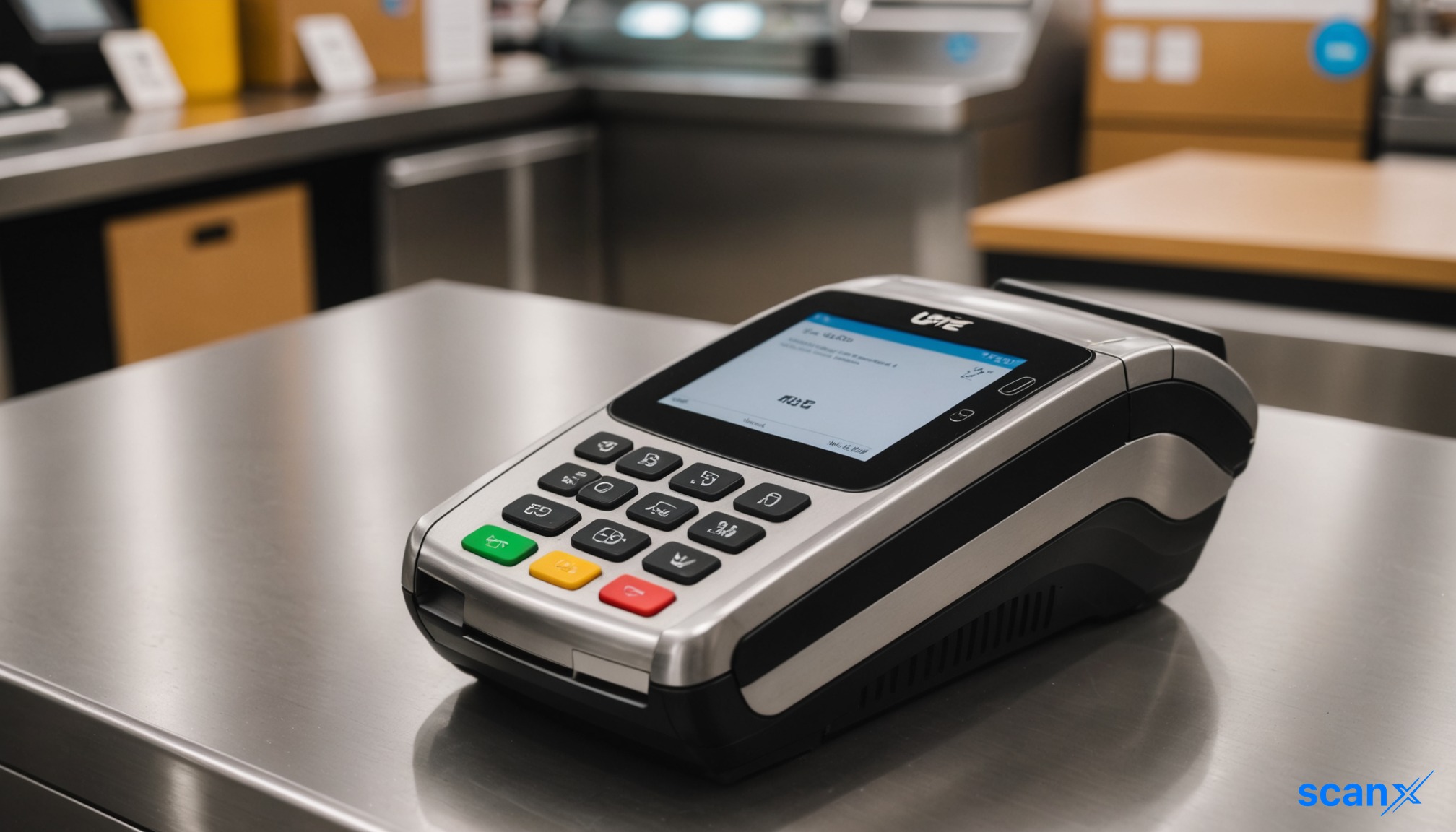
*this image is generated using AI for illustrative purposes only.

Yes Bank Limited will participate in the Citi India Financials Investor Forum through virtual group and one-on-one meetings scheduled from September 21, 2026, to September 25, 2026.

The bank issued an advance intimation regarding the schedule under Regulation 30 read with clause 15 of Para A of Part A of Schedule III of the SEBI (Listing Obligations and Disclosure Requirements) Regulations, 2015. The disclosure was made on September 16, 2026.

Meeting Details

The engagement will take place in a virtual mode. The bank noted that the schedule may undergo changes due to exigencies on the part of investors or the bank itself. A list of participants will be submitted after the investor meet concludes.

Event Name Date Mode Nature of Meeting
Citi India Financials Investor Forum September 21 - September 25, 2026 Virtual Group / 1x1 Meetings

Regulatory Disclosure

The bank stated that no unpublished price-sensitive information is proposed to be shared during the meetings or calls. The information has been hosted on the bank's website pursuant to the Listing Regulations as amended.

Historical Stock Returns for Yes Bank

1 Day5 Days1 Month6 Months1 Year5 Years
+1.43%+3.91%+3.22%+24.47%+11.38%+84.25%

What specific strategic initiatives or financial performance metrics is Yes Bank likely to highlight to investors during the Citi India Financials Investor Forum?

How might the outcomes of these one-on-one meetings influence institutional investor sentiment and Yes Bank's stock valuation in the immediate term?

Are there any upcoming regulatory changes or economic indicators in India that Yes Bank management might address as key risks or opportunities during these sessions?

Citi flags UPI MDR shift; banking ecosystem to gain ₹16,000-17,000 crore

scanx
Reviewed by
Ritika DScanX News Team
Key Highlights
  • The government has ended the zero-MDR-for-all UPI regime by introducing fee rails for larger merchant payments
  • P2P transfers and ~96% of P2M volumes (transactions up to ₹2,000) remain free; transactions above ₹2,000 attract 0.4% MDR capped at ₹300
  • The banking ecosystem could gain ₹16,000-17,000 crore in annual revenue under the new structure
  • Yes Bank is estimated to see a 6-12% PBT boost from the MDR change
  • The distributed fee is intended to fund network expansion, not serve as a government tax
powered bylight_fuzz_icon
51075976

*this image is generated using AI for illustrative purposes only.

Citi has flagged a structural shift in India's UPI payments framework, with the government introducing fee rails for larger merchant payments, effectively ending the zero-MDR-for-all regime that had governed the ecosystem.

Key changes under the new UPI MDR framework

Under the revised structure, peer-to-peer (P2P) transfers and approximately 96% of peer-to-merchant (P2M) volumes, covering transactions at or below ₹2,000, remain free of charge. Transactions above ₹2,000 will attract a merchant discount rate (MDR) of 0.4%, capped at ₹300 per transaction. The distributed fee is intended to fund network expansion rather than function as a government tax.

The table below summarises the key parameters of the new MDR structure:

Parameter Details
P2P transfers Free
P2M transactions up to ₹2,000 Free (~96% of P2M volumes)
P2M transactions above ₹2,000 0.4% MDR, capped at ₹300
Purpose of fee Network expansion funding

Revenue and earnings impact

Citi estimates the banking ecosystem could gain ₹16,000-17,000 crore in annual revenue as a result of this change. At an individual bank level, Yes Bank is estimated to see a 6-12% boost to its profit before tax (PBT), reflecting its exposure to UPI-based merchant payment flows.

What the numbers show

The scope of the fee change is deliberately narrow: with approximately 96% of P2M volumes falling at or below the ₹2,000 threshold, the MDR applies only to a small share of total UPI transactions by volume. However, higher-value transactions above ₹2,000 tend to carry larger ticket sizes, which means the aggregate revenue potential for the banking ecosystem is material, as reflected in Citi's ₹16,000-17,000 crore annual revenue estimate. The framing of the fee as a network funding mechanism, rather than a fiscal measure, signals that the policy intent is to sustain infrastructure investment in the UPI ecosystem.

Historical Stock Returns for Yes Bank

1 Day5 Days1 Month6 Months1 Year5 Years
+1.43%+3.91%+3.22%+24.47%+11.38%+84.25%

How might the introduction of MDR on high-value transactions influence consumer spending behavior or accelerate the adoption of alternative payment methods for purchases above ₹2,000?

Which specific segments of the Indian banking sector are best positioned to capture the estimated ₹16,000-17,000 crore in new annual revenue, and will this benefit be evenly distributed among public and private banks?

Could the 0.4% MDR create competitive pressure on other digital payment platforms or traditional card networks to adjust their fee structures to remain attractive to merchants?

More News on Yes Bank

1 Year Returns:+11.38%