

Micron Q3FY27 Results: Revenue hits record $41.5 billion on 343% DRAM surge


- Micron Q3 revenue hit a record $41.5 billion, up 343% YoY in DRAM segment
- DRAM sales reached $31.3 billion, comprising 76% of total revenue
- ASPs climbed low-60% sequentially while bit shipments rose low single digits
- Consensus models 88% revenue growth for FY27, slowing to 10% by FY29
- Strategic contracts cover ~40% of revenue with pricing ceilings near Q2 2026 levels

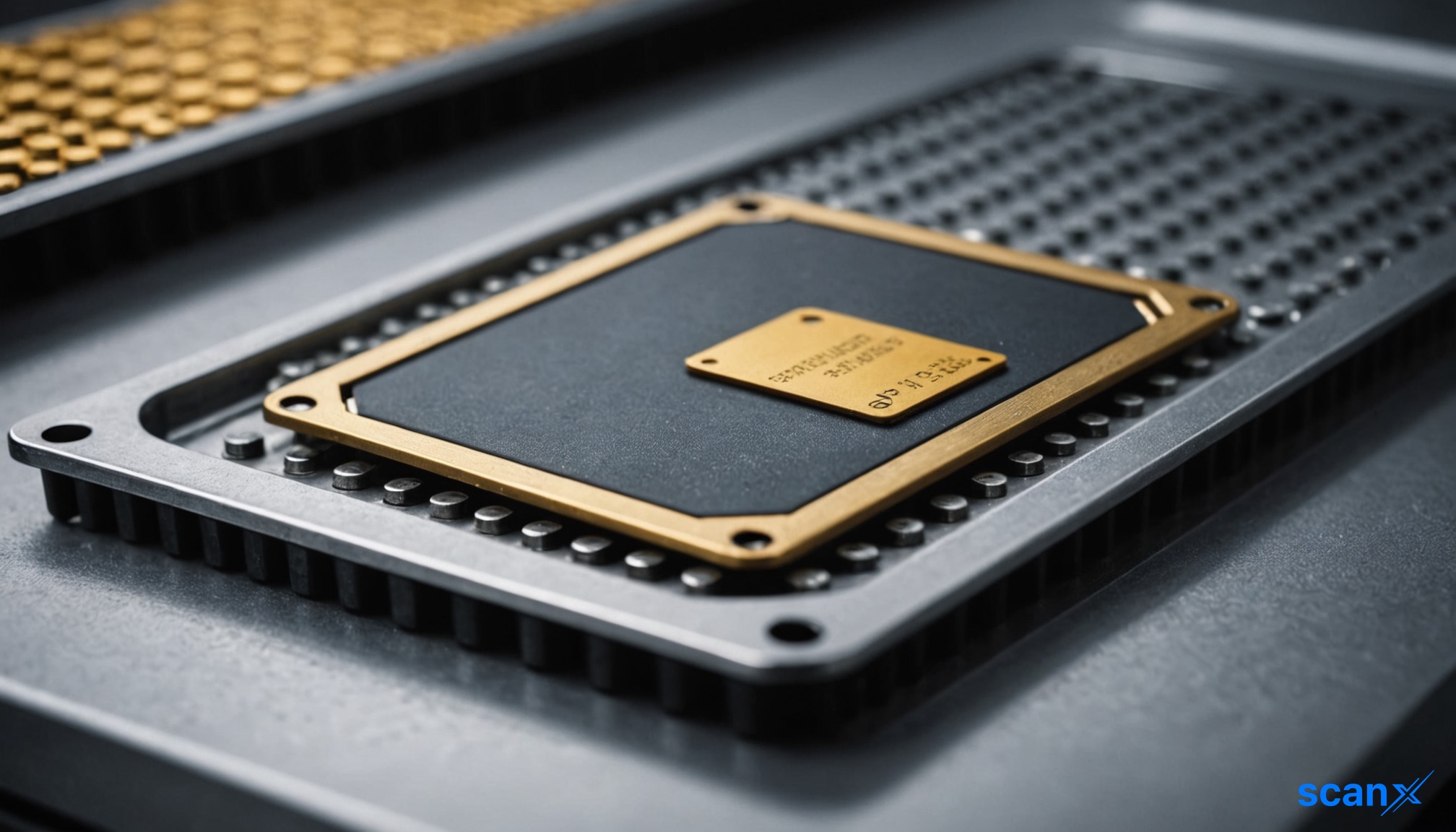

*this image is generated using AI for illustrative purposes only.
Micron Technology Inc (NASDAQ: MU) delivered record fiscal third-quarter revenue of $41.5 billion, driven by a 343% year-over-year jump in DRAM sales. The memory chip maker posted quarterly results for the period ended May 28.
The Comp Problem
DRAM revenue reached $31.3 billion, representing roughly 76% of total top-line performance. Average selling prices climbed in the low-60% range sequentially, while bit shipments rose only low single digits. Research firm I/O Fund noted that traders should stop extrapolating the recent growth rate.
Consensus models project about 88% revenue growth in fiscal 2027, followed by 13% in fiscal 2028 and 10% in fiscal 2029 before flattening and turning sharply negative. I/O Fund lead analyst Beth Kindig stated the 343% year-over-year growth rate is likely in the rearview mirror.
Deceleration is not equivalent to a bust. Kindig argued that supply stays tight and margins remain historically fat, shifting the narrative from a top-line story to a bottom-line one.
Where the Ceiling Bites
The mechanism sits inside Micron’s 16 strategic customer agreements. Most run five years, from calendar 2026 through the end of 2030, structured as take-or-pay commitments with negotiated quarterly pricing inside a floor-to-ceiling band.
On the largest deals, the ceiling for existing products is pegged near calendar second-quarter 2026 market prices. CFO Mark Murphy told analysts in June that contracts with fixed prices or ceilings at or close to those levels should cover roughly 40% of revenue once all planned agreements are signed.
If DRAM spot pricing keeps rising, a meaningful slice of the upside never reaches the income statement. Fourteen of the 16 agreements carry about $100 billion in cumulative revenue at minimum contract prices over the remaining term. Management described this floor as delivering gross margins above any past cycle peak.
Not everything is capped. Newer HBM generations, DDR6 and LPDDR6 sit outside the bands and get premiums negotiated separately. This preserves the AI-driven upside on leading-edge parts while locking in returns on products drifting toward commodity status.
What the Numbers Show
The divergence between sequential ASP growth and bit shipment volume highlights the pricing-driven nature of the current cycle. With ASPs climbing in the low-60% range while shipments rose only low single digits, revenue expansion is decoupled from volume growth. This suggests margin resilience is currently supported by pricing power rather than demand volume, a dynamic that may shift if spot pricing hits contractual ceilings.
What to Watch Sept. 30
Micron reports fiscal fourth-quarter results on Sept. 30. Analysts expect quarterly revenue of $50.62 billion and adjusted earnings of $31.30 per share, according to estimates from Benzinga Pro.
The critical metric is whether the HBM4 mix and the uncapped next-generation ramp can continue to hold margins near record levels. Micron stock was up 2.38% at $1,040.00 at the time of publication Monday.

How might Micron's 40% revenue exposure to capped pricing contracts impact its ability to capture upside if DRAM spot prices surge beyond Q2 2026 levels?
What is the projected timeline for HBM4 and DDR6 adoption to offset the margin compression expected from legacy products hitting contractual ceilings?
Could the decoupling of ASP growth from bit shipment volume signal an impending supply-demand imbalance that threatens the current pricing power narrative?
 17
17





 Create Custom Screeners
  Access 200+ Pre-built Filters
  Use 50+ Readymade Screener





