

Micron set for major buybacks in December as Gerber flags big buyer


- Micron plans to increase capital return program starting December 9, 2026
- Current repurchase authorization is $2.2 billion against $68.3 billion net cash
- Ross Gerber expects Micron to buy back tons of stock post-CHIPS restrictions
- D.A. Davidson raises price target to $3,000, implying 190% upside
- Bank of America forecasts $37 billion buyback in 2027



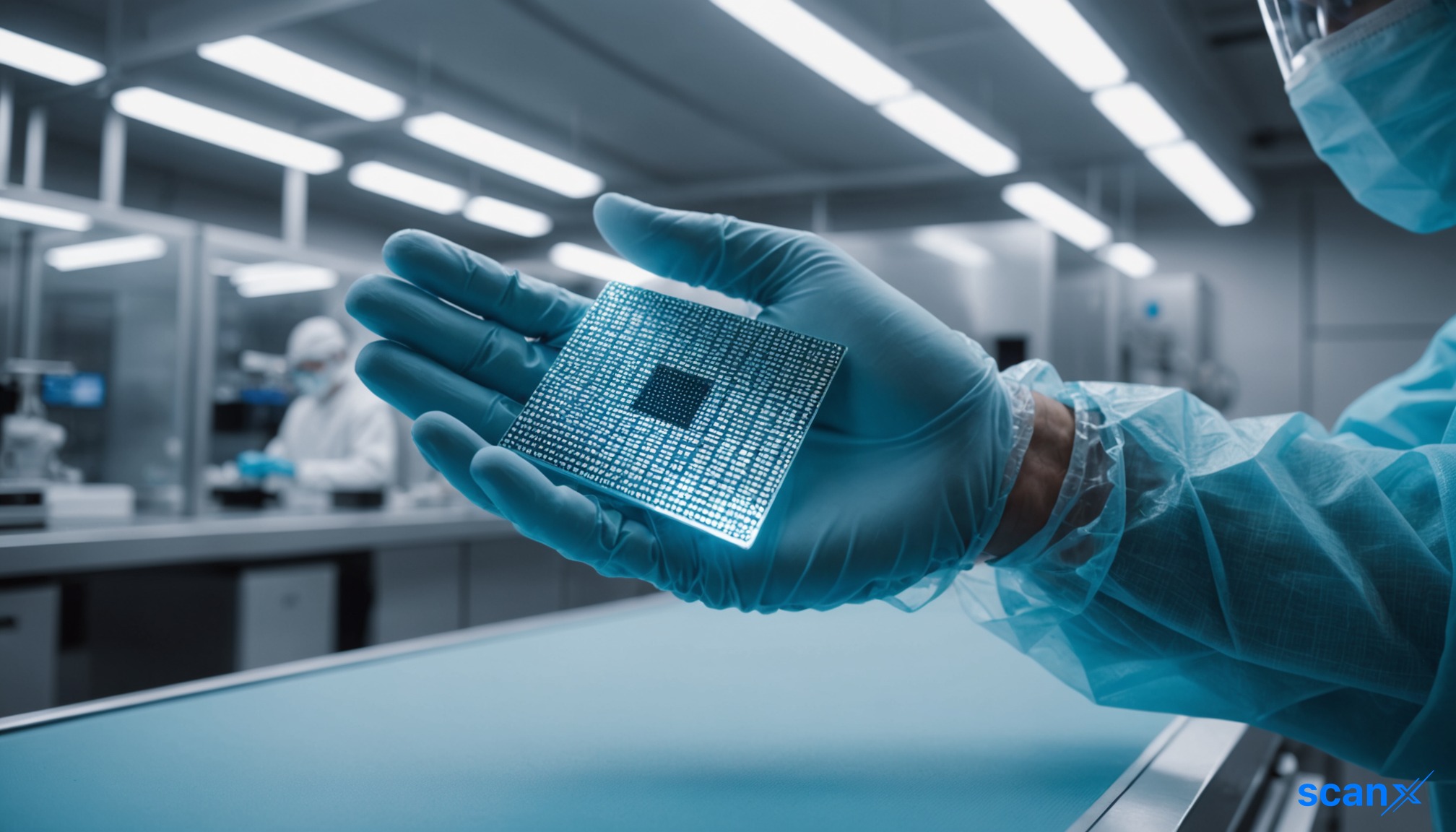
*this image is generated using AI for illustrative purposes only.
Micron Technology plans to increase its capital return program starting December 9, 2026, leveraging a $73.48 billion cash and investment position. Investor Ross Gerber expects the company to ramp up share repurchases once CHIPS Act restrictions expire, describing Micron as a "big buyer" coming soon.
Capital Return Strategy
CFO Mark Murphy stated during the fiscal fourth-quarter earnings call that the company has both the ability and intent to expand shareholder returns. The current share repurchase authorization stands at $2.2 billion, which management intends to increase in the near term. Murphy clarified that Micron expects to return 100% of excess cash to shareholders over time, primarily through share repurchases. This shift marks a significant pivot in capital allocation following a period of intense cash accumulation.
Financial Performance Drivers
The decision follows a record fiscal 2026, where total revenue rose 256% year-over-year to $133.2 billion. Fourth-quarter revenue reached $54.23 billion, exceeding analyst estimates of $50.75 billion. The company attributes this growth to surging demand for memory and storage components essential for artificial intelligence applications.
| Metric | Value | Context |
|---|---|---|
| Cash and Investments | $73.48 billion | End of FY26 |
| Net Cash Balance | $68.3 billion | After $5.2 billion debt |
| Q4 Adjusted Free Cash Flow | $33.20 billion | Single quarter generation |
| Total Revenue (FY26) | $133.2 billion | Up 256% YoY |
Strategic Agreements and Stock Performance
Micron has secured 26 multi-year strategic customer agreements covering over 35% of projected revenue through 2030. These contracts include $32 billion in financial commitments, predominantly in the form of cash deposits, providing visibility into future cash flows.
MU stock closed at $1,035.84 on Thursday, down 4.79%, and climbed 2.13% to $1,057.94 in early premarket trading on Friday. The shares have risen 438.57% over the last year and 228.40% year-to-date. Benzinga’s Edge Stock Rankings indicate a Momentum score in the 99th percentile and a Growth score in the 93rd percentile.
Analyst Forecasts and Valuation Context
Bank of America analysts expect a $37 billion buyback in 2027, with the actual figure potentially higher. Micron is currently limited in repurchases due to its participation in the CHIPS program, which funds a large plant in New York. These restrictions are set to end on December 9, giving the board leeway to restart purchases.
D.A. Davidson analyst Gil Luria raised his price target on Micron from $2,100 to $3,000, the highest on Wall Street, implying about 190% upside from Thursday’s close. Micron has a Buy consensus among 26 analysts tracked by Benzinga Pro, with an average price target of $1,463. At the same time, Micron trades at a forward price-to-earnings ratio of 6.09, significantly lower than the technology sector median of 23.5 and its five-year average of 74.
What the Numbers Show
The divergence between Micron’s massive liquidity and its current repurchase authorization highlights significant underutilization of capital resources. With $68.3 billion in net cash and only $2.2 billion in active buyback authority, the company retains substantial capacity to alter its capital structure without impacting operational flexibility. The specific timing tied to the CHIPS Act anniversary suggests regulatory constraints on prior capital distributions have now lifted, unlocking this trapped value for shareholders.

How will the expiration of CHIPS Act restrictions on December 9, 2026, specifically alter Micron's capital allocation flexibility compared to its current $2.2 billion authorization?
What are the potential dilution risks for existing shareholders if Micron prioritizes massive share repurchases over further capacity expansion to meet AI demand?
How might Micron's aggressive buyback strategy influence competitor behavior at Samsung and SK Hynix regarding their own capital return policies?
 19
19








 Create Custom Screeners
  Access 200+ Pre-built Filters
  Use 50+ Readymade Screener





