

Lloyds Metals H1FY27 iron ore output rises 36% to 10 MnT


- Iron ore production reached 10 MnT in H1FY27, up 36% YoY
- Pellet output jumped 372% to 3.8 MnT with 100% capacity utilisation
- DRI production doubled to 343,000 tonnes, reflecting >90% utilisation
- BHQ stockpile grew to 8.7 MnT, awaiting beneficiation plant processing

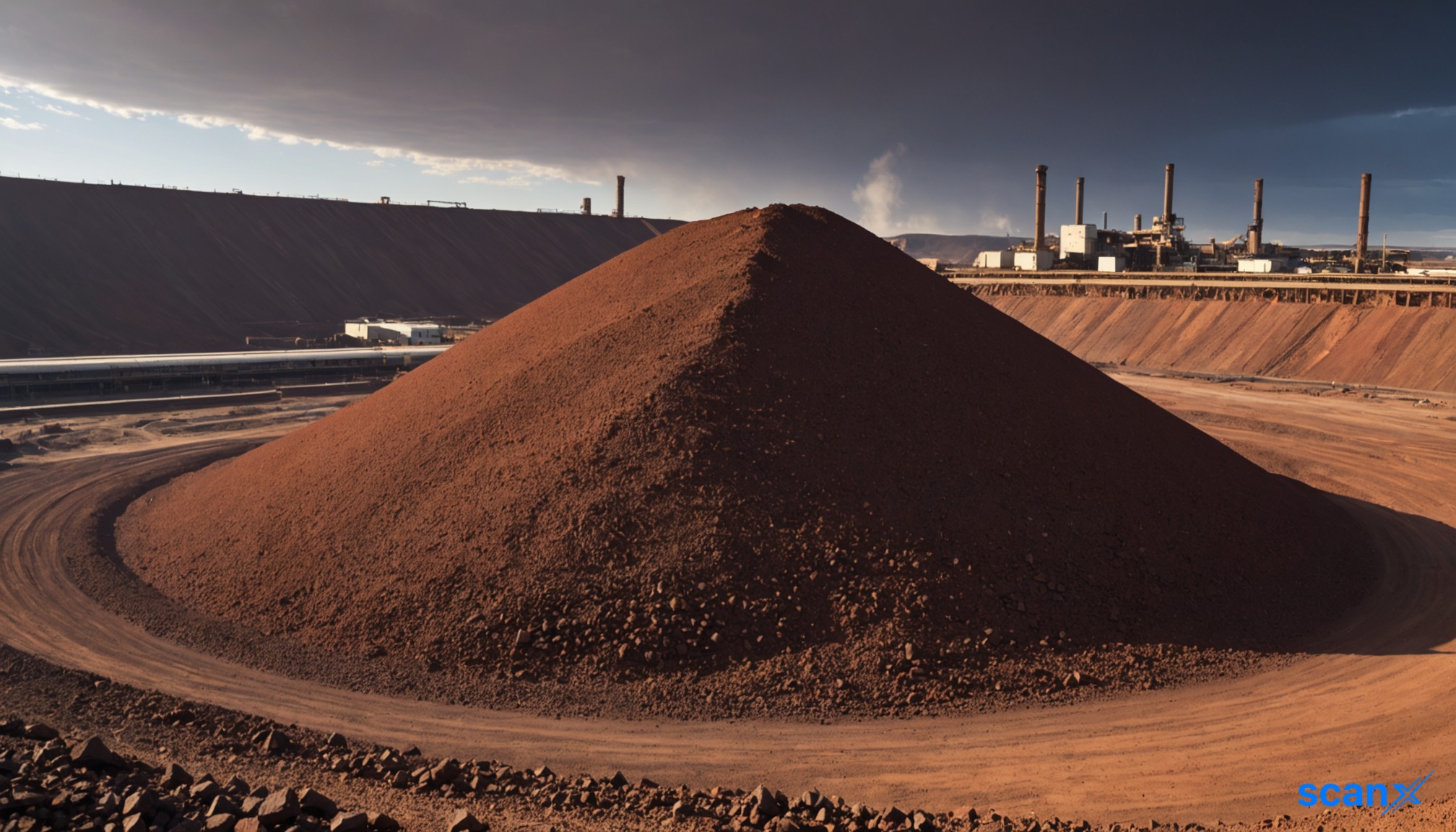

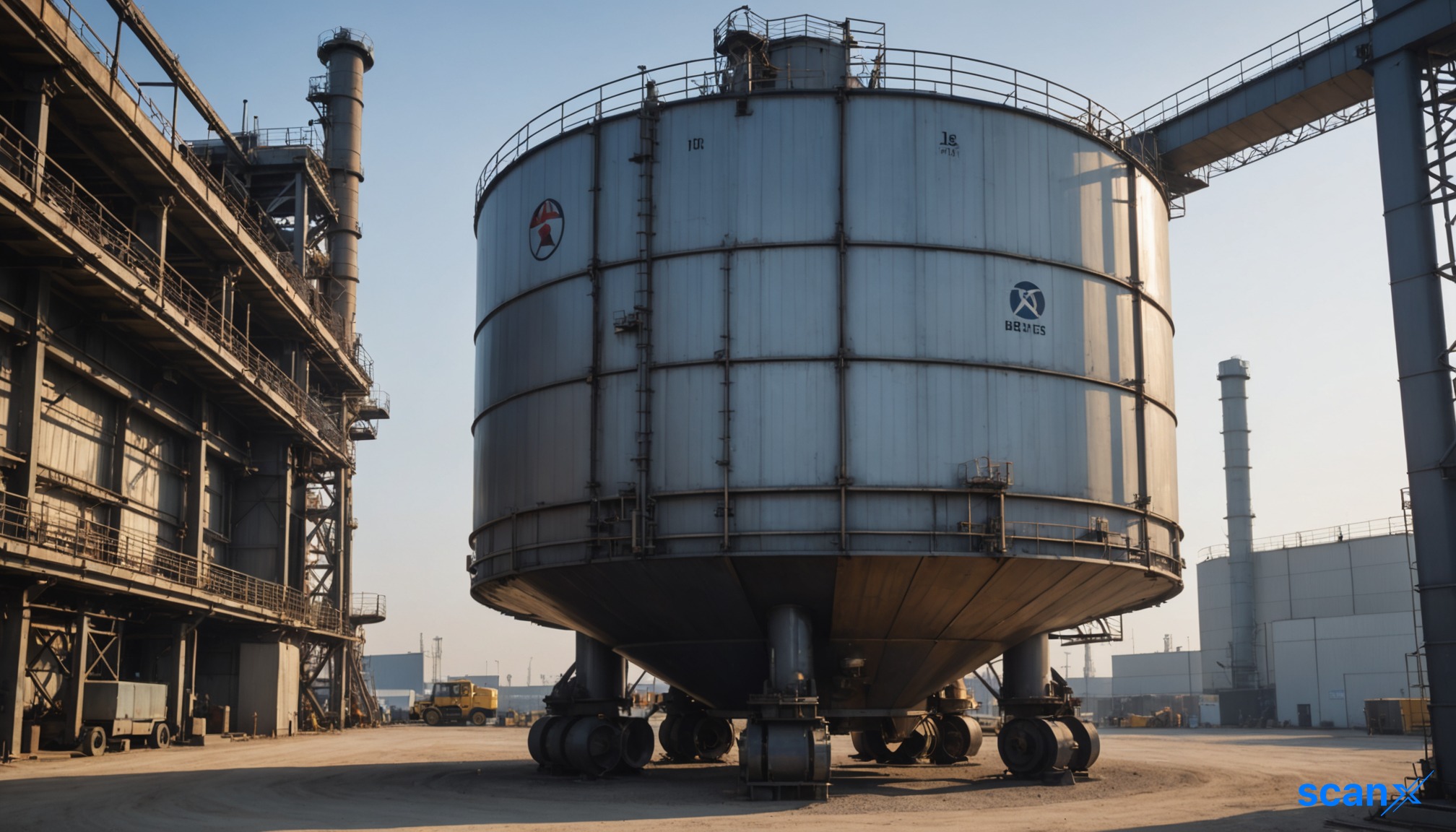
*this image is generated using AI for illustrative purposes only.
Lloyds Metals & Energy Limited recorded its highest-ever first-half operational performance in H1FY27, driven by a 36% year-on-year increase in iron ore production to 10 million tonnes.
The integrated metal and mining company also witnessed significant growth in downstream products. Direct Reduced Iron (DRI) output more than doubled to 343,000 tonnes, while pellet production surged to 3.8 million tonnes, reflecting successful ramp-up of new capacity.
Iron ore and BHQ production momentum
Iron ore mining operations maintained strong momentum, achieving 10 million tonnes in the first half of FY27 compared to 7.4 million tonnes in the corresponding period last year. The company remains on track to meet its full-year guidance of producing 26 million tonnes of iron ore in FY27.
Notably, the mined ore figures exclude Banded Hematite Quartzite (BHQ) stockpiles. The company accumulated 8.7 million tonnes of BHQ during this period, up from 1.2 million tonnes in H1FY26. This material is slated for processing once the newly commissioned beneficiation plants become fully operational.
Downstream expansion drives pellet and DRI growth
The commissioning of the second 4 million tonne per annum (MTPA) pellet plant at Konsari significantly boosted capacity to 8 MTPA. This expansion enabled pellet production to reach 3.8 million tonnes in H1FY27, implying 100% capacity utilisation. The rapid ramp-up marks one of the fastest timelines achieved by the company for such infrastructure projects.
In the DRI segment, production rose 104% YoY to 343,064 tonnes from 167,812 tonnes in H1FY26. This volume implies consistent capacity utilisation exceeding 90% across its two Maharashtra locations.
Copper segment contribution
Lloyds Metals also reported copper production of 4,389 tonnes in H1FY27. This figure includes residual production from the Chemaf plant during Q1FY27, marking continued activity in its base metals division following investments in the Democratic Republic of Congo.
Production summary H1FY27
| Metric | H1FY27 | H1FY26 | YoY Change |
|---|---|---|---|
| Iron Ore (Mn Tonnes) | 10.0 | 7.4 | +36% |
| BHQ (Mn Tonnes) | 8.7 | 1.2 | +598% |
| DRI (Tonnes) | 343,064 | 167,812 | +104% |
| Pellet (Mn Tonnes) | 3.8 | 0.8 | +372% |
| Copper (Tonnes) | 4,389 | - | NA |
What the numbers show
The data reveals a strategic shift towards value addition and higher-value products. While iron ore volumes grew 36%, the pellet segment expanded 372%, indicating that downstream processing is becoming a larger contributor to overall output mix. Furthermore, the massive accumulation of 8.7 million tonnes of BHQ, which is currently excluded from saleable ore figures, suggests significant future revenue potential once beneficiation capacities are fully utilised.
Historical Stock Returns for Lloyds Metals & Energy
| 1 Day | 5 Days | 1 Month | 6 Months | 1 Year | 5 Years |
|---|---|---|---|---|---|
| -5.69% | -6.03% | -1.85% | +39.72% | +45.04% | +215.43% |

How will the operational timeline for the new beneficiation plants impact the monetization of the 8.7 million tonnes of accumulated BHQ stockpiles?
What are the projected margin implications as Lloyds shifts its revenue mix from raw iron ore to higher-value pellets and DRI?
Can the company sustain over 90% capacity utilisation in its DRI segment given current energy costs and raw material availability in Maharashtra?
 16
16





 Access Market Heat-map & Insights
  Create, Save & Share your Screener
  Use 200+ Screening Filters





