

Live Ventures Q2FY26 Results: Net loss $2.4 million on impairment


- Net loss of $2.4 million for Q2FY26 vs $15.9 million income in prior year
- Revenue declined 3.8% to $102.9 million due to weak retail flooring sales
- Steel manufacturing segment incurred $4 million non-cash goodwill impairment
- Gross margin improved 80 bps to 33.6% despite lower revenue
- Debt reduced by $8 million over the past year

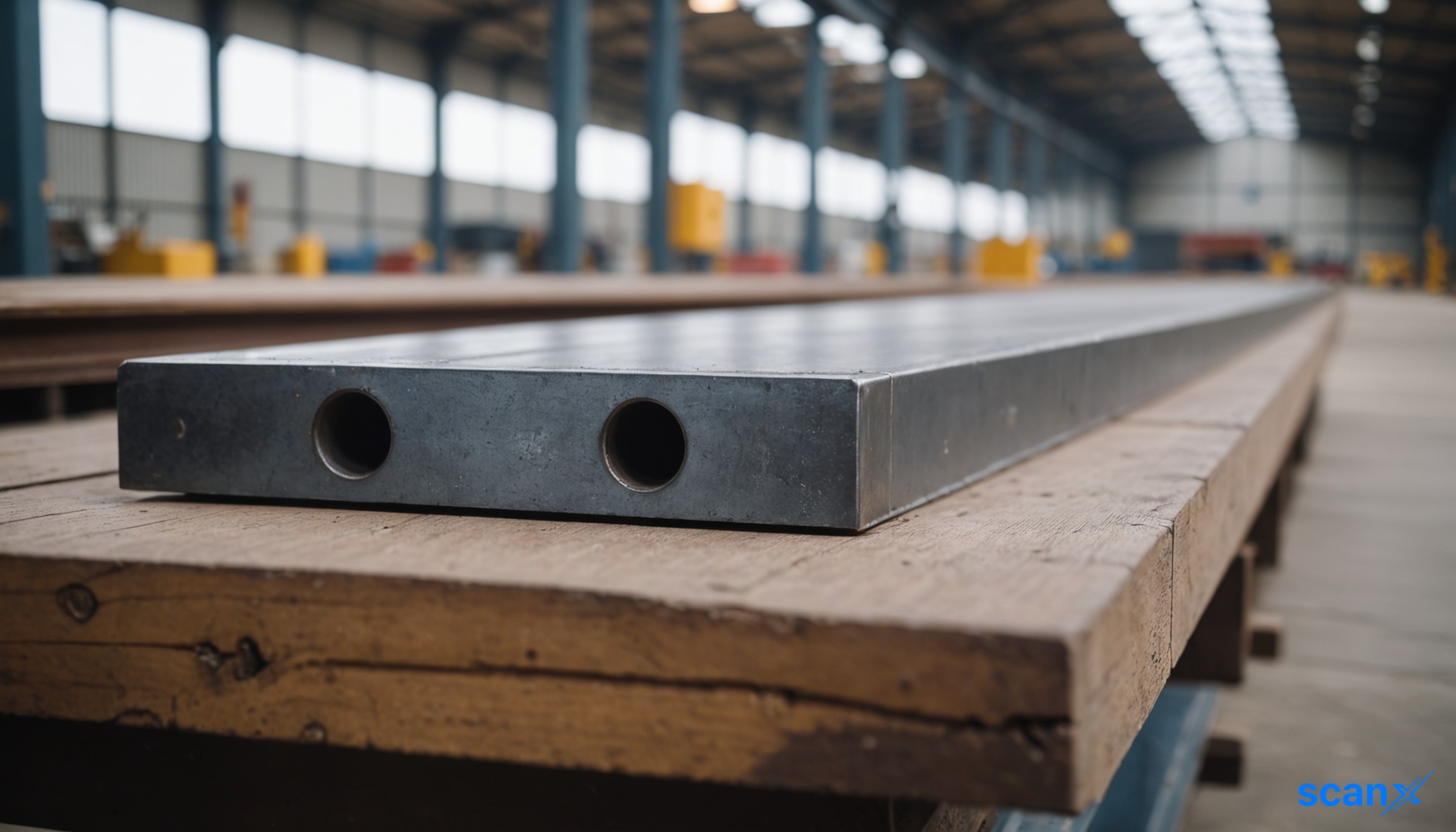

*this image is generated using AI for illustrative purposes only.
Live Ventures (NASDAQ: LIVE) reported a net loss of $2.4 million for the second quarter of fiscal year 2026, compared to net income of $15.9 million in the prior-year period. The swing to loss was primarily driven by a $4 million non-cash goodwill impairment charge in the steel manufacturing segment and continued weakness in retail flooring.
Revenue declined 3.8% to $102.9 million from $107 million year-over-year. Despite the top-line contraction, gross margin improved by 80 basis points to 33.6%, reflecting a favorable revenue mix and cost efficiencies in several divisions.
Segment Performance
The retail flooring segment remained the primary drag on performance, with revenue falling 26.2% to $20.2 million. This decline was attributed to lower retail and contractor sales amid headwinds in new home construction and refurbishment markets.
Conversely, other segments demonstrated resilience:
- Retail Entertainment: Revenue grew 14.8% to $21.2 million, driven by strong consumer demand across all product lines.
- Steel Manufacturing: Revenue increased 3.4% to $32.5 million, supported by higher volumes in fabricated hardware and tool and die businesses, despite the goodwill impairment.
- Flooring Manufacturing: Revenue decreased 3.2% to $30.3 million, reflecting continued softness in housing markets.
| Segment | Q2FY26 Revenue | YoY Change | Key Driver |
|---|---|---|---|
| Retail Flooring | $20.2 million | -26.2% | Weak construction/refurbishment |
| Retail Entertainment | $21.2 million | +14.8% | Strong consumer demand |
| Steel Manufacturing | $32.5 million | +3.4% | Higher fabricated hardware sales |
| Flooring Manufacturing | $30.3 million | -3.2% | Softness in housing markets |
Profitability and Expenses
Gross profit fell 1.6% to $34.6 million, mirroring the revenue decline. However, gross margin expansion was supported by improved margins in steel, flooring manufacturing, and retail flooring segments.
Operating expenses showed mixed trends. General and administrative (G&A) expenses decreased 2.3% to $27.7 million due to targeted cost reduction initiatives in retail flooring and flooring manufacturing. Sales and marketing expenses rose 3.4% to $4.9 million, reflecting higher activity in the retail flooring segment.
Excluding the $4 million non-cash goodwill impairment, consolidated operating income would have been approximately $2 million, essentially in line with the prior-year period. Adjusted EBITDA declined 8.8% to $5.9 million.
What the Numbers Show
The divergence between reported net loss and adjusted operational performance highlights the impact of non-cash accounting items. While the headline net loss of $2.4 million suggests significant deterioration, excluding the $4 million goodwill impairment reveals that core operating income remained stable at approximately $2 million. This indicates that the primary financial pressure stems from asset valuation adjustments rather than a collapse in cash-generating operations, although the persistent 26.2% revenue drop in retail flooring remains a structural concern.
Liquidity Position
As of March 31, 2026, Live Ventures maintained total cash availability of $39.8 million, comprising $15.2 million in cash on hand and $24.6 million available under credit lines. Working capital stood at $74.4 million, up from $62.1 million as of September 30, 2025. Total assets were $392.5 million, with stockholders' equity at $92.9 million. The company reduced its debt by $8 million over the past year.

Will Live Ventures implement further restructuring or divestiture plans for the retail flooring segment given its 26.2% revenue decline?
How might sustained weakness in new home construction impact the long-term viability of the flooring manufacturing division?
Can the company sustain the 14.8% growth in retail entertainment to offset ongoing losses in housing-related segments?
 15
15








 Access 50+ Readymade Screeners
  Use 200+ Custom Filters
  Get Full Market Insights





