

Kraken Robotics Q2FY26 Results: Revenue up 4%, Covelya deal closes


- Revenue rose 4% YoY to $27.3 million, driven by product sales and subsea services growth
- Gross margin expanded to 59% from 56%, boosting gross profit by 10% to $16.2 million
- Net loss widened to $7.5 million due to a $6.9 million arbitration provision, masking $0.8 million in adjusted net income
- Covelya Group acquisition closed in July, adding $396.7 million in escrow proceeds to total assets
- New orders exceeded $27 million, raising combined 2026 order book to $355 million



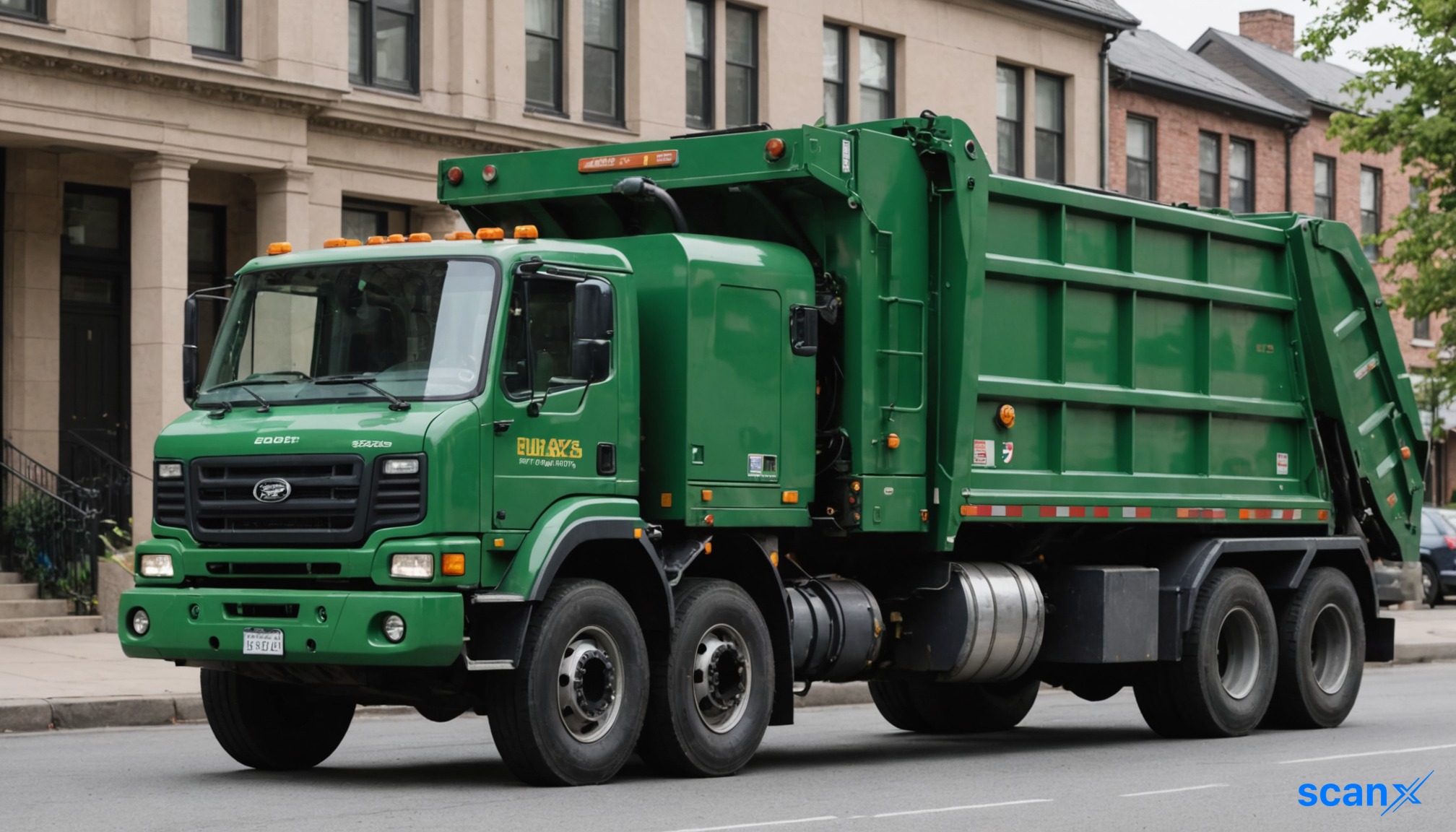
*this image is generated using AI for illustrative purposes only.
Kraken Robotics Inc. (TSXV: PNG) reported second-quarter revenue of $27.3 million, a 4% increase year-over-year, as it prepared for the integration of its Covelya Group acquisition.
The marine technology firm delivered an adjusted EBITDA of $5.0 million for the quarter ended June 30, 2026. The results exclude any contribution from Covelya, which closed on July 2, 2026, marking the start of combined reporting for the third quarter.
Financial Performance
Consolidated revenue rose from $26.4 million in Q2 2025 to $27.3 million in Q2 2026. This growth was driven by strong product sales, including the delivery of a KATFISH towed synthetic aperture sonar system for a Navy minehunting program, and modest expansion in the subsea services division.
Product revenue increased 2% to $16.9 million, while service revenue grew 6% to $10.5 million. However, reported revenue was negatively impacted by a $1.5 million reversal due to a change in scope on an integration project nearing completion. Excluding this reversal, revenue would have grown 9% year-over-year to $28.8 million.
| Metric | Q2 2026 | Q2 2025 | Change |
|---|---|---|---|
| Revenue | $27.3 million | $26.4 million | +4% |
| Gross Profit | $16.2 million | $14.8 million | +10% |
| Adjusted EBITDA | $5.0 million | $4.7 million | +7% |
| Net Loss | ($7.5) million | ($0.7) million | Wider |
Gross profit expanded 10% to $16.2 million, pushing the gross profit margin to 59%, up from 56% in the prior-year period. Adjusted EBITDA grew 7% to $5.0 million, maintaining an 18% margin. Excluding the scope-change reversal, adjusted EBITDA margin would have been 20%, representing 26% year-over-year growth.
What the Numbers Show
The divergence between the reported net loss and operational profitability highlights significant non-recurring charges. While the company posted a net loss of $7.5 million, this figure includes a $6.9 million "other loss" provision related to arbitration costs from a 2017 supplier contract. Adjusting for this item, along with restructuring and share-based compensation, yields an adjusted net income of $0.8 million. This indicates that core operations remain profitable despite the legal provision drag on the bottom line.
Balance Sheet and Orders
Total assets surged to $724.7 million from $184.3 million a year earlier, largely due to $396.7 million in subscription receipt proceeds held in escrow for the Covelya acquisition. Cash reserves stood at $91.3 million, up from $32.9 million, supporting working capital of $151.8 million.
Kraken secured over $27 million in new product orders during the quarter, bringing total announced orders for 2026 to $355 million on a combined basis with Covelya. Notable wins include a long-term master supply agreement for subsea batteries to support extra-large unmanned underwater vehicles.
Outlook
Management maintained its 2026 guidance, which incorporates a half-year contribution from Covelya. The company expects consolidated revenue between $290 million and $320 million, with adjusted EBITDA ranging from $65 million to $75 million. Capital expenditures are projected between $27 million and $33 million.

How will the integration of Covelya Group impact Kraken's gross profit margins and operational synergies in the third quarter?
What specific risks remain regarding the $6.9 million arbitration provision, and could there be further legal costs affecting future net income?
Will the $27 million in new product orders, particularly the subsea battery agreement, accelerate revenue growth beyond the current 2026 guidance range?
 20
20









 Create Custom Screeners
  Access 200+ Pre-built Filters
  Use 50+ Readymade Screener





