

Kirloskar Ferrous net profit falls 65% in Q1FY27 on margin pressure


Kirloskar Ferrous Industries saw Q1FY27 standalone net profit fall 65% to ₹82.32 crore due to margin pressures and higher taxes, even as revenue grew 4.3% to ₹1,771.51 crore. The Steel segment faced severe margin compression, while Casting drove growth. An exceptional item of ₹29.33 crore was recorded for merger costs.


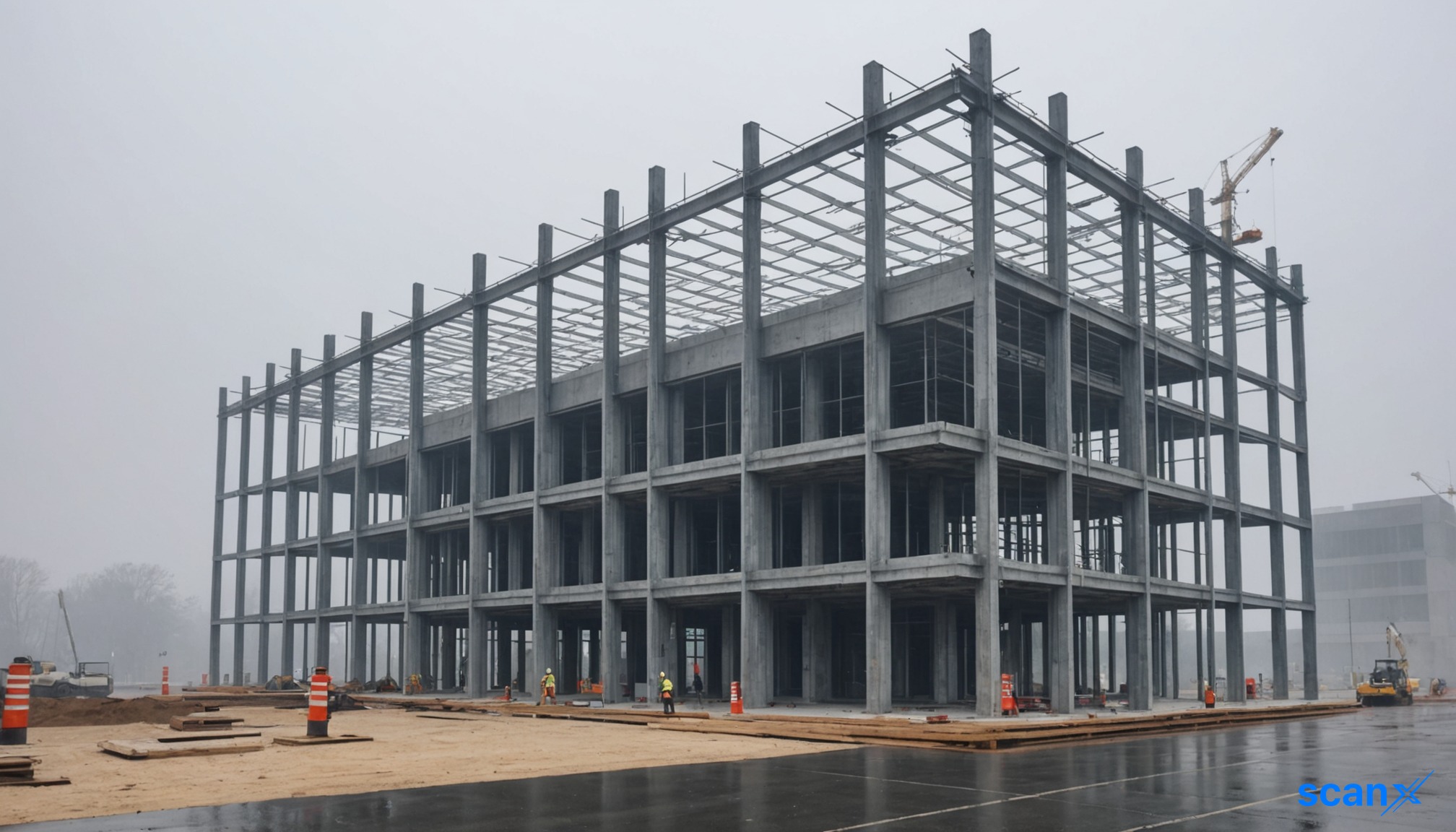
*this image is generated using AI for illustrative purposes only.
Kirloskar Ferrous Industries reported a 65% year-on-year decline in standalone net profit to ₹82.32 crore for the quarter ended June 30, 2026 (Q1FY27), as operating margins contracted and tax expenses rose significantly. While revenue from operations grew 4.3% to ₹1,771.51 crore, the company’s profitability was weighed down by a widening gap between cost inflation and pricing power, alongside a reversal of deferred tax benefits seen in the prior year.
The Board of Directors approved the unaudited standalone and consolidated financial results at its meeting held on August 5, 2026. The results were reviewed by the Audit Committee and subjected to limited review by statutory auditors Kirtane & Pandit LLP and P.G. Bhagwat LLP. Kirloskar Industries Limited, the parent company, communicated the subsidiary’s intimation to stock exchanges under Regulation 30 of the SEBI (Listing Obligations and Disclosure Requirements) Regulations, 2015.
Financial Performance
Standalone revenue from operations stood at ₹1,771.51 crore in Q1FY27, up from ₹1,698.07 crore in Q1FY26. However, total expenses increased to ₹1,654.52 crore from ₹1,579.31 crore, primarily due to higher other expenses and employee benefits. Profit before exceptional items and tax remained relatively stable at ₹134.42 crore compared to ₹127.22 crore in the previous year.
A significant drag on bottom-line performance was the tax expense. In Q1FY26, the company benefited from a deferred tax credit of ₹108.30 crore, resulting in a net tax benefit. In contrast, Q1FY27 saw a deferred tax expense of ₹22.10 crore, leading to a total tax expense of ₹22.77 crore. Additionally, an exceptional item of ₹29.33 crore was recorded towards stamp duty and associated expenses related to the merger of ISMT Limited into the company, as per the National Company Law Tribunal order.
| Metric | Q1FY27 (₹ Cr) | Q1FY26 (₹ Cr) | YoY Change |
|---|---|---|---|
| Revenue from Operations | 1,771.51 | 1,698.07 | +4.3% |
| Profit Before Tax | 105.09 | 127.22 | -17.4% |
| Net Profit After Tax | 82.32 | 235.47 | -65.0% |
| EPS (Basic) | ₹4.99 | ₹14.30 | -65.1% |
Segment Insights
Consolidated segment data revealed divergent performance across business units. The Casting segment remained the primary profit driver, contributing ₹121.20 crore to pre-tax profits, up from ₹100.78 crore in Q1FY26. Revenue from casting rose 15.1% to ₹1,192.09 crore. Conversely, the Steel segment saw its pre-tax profit plummet to ₹0.21 crore from ₹19.67 crore, despite revenue growing 37.7% to ₹493.83 crore. This indicates severe margin compression in the steel division. The Tube segment reported a slight dip in pre-tax profit to ₹40.61 crore from ₹41.83 crore, with revenue declining 9.2% to ₹540.81 crore.
What the Numbers Show
The divergence between top-line growth and bottom-line contraction highlights structural margin pressures. While the Casting segment scaled effectively, the Steel segment’s near-zero profitability despite significant revenue growth suggests input cost volatility or pricing challenges that are not being passed on to customers. Furthermore, the shift from a substantial deferred tax benefit in FY26 to a tax expense in FY27 underscores the normalization of tax provisions after the initial recognition of deferred tax assets following mergers. Investors should monitor whether the Steel segment’s margin erosion is temporary or indicative of longer-term competitive headwinds.
Capital and Compliance
During the quarter, the company raised ₹200 crore through commercial papers, utilizing proceeds for working capital and general corporate purposes. The total outstanding commercial papers as of June 30, 2026, were ₹196.91 crore. Paid-up equity share capital increased to ₹82.50 crore following the allotment of 70,741 equity shares under employee stock option schemes.
An earnings conference call is scheduled for August 6, 2026, at 4:00 PM IST, where Managing Director R.V. Gumaste and CFO R.S. Srivatsan will discuss the results. Presentation materials will be available on www.kirloskarferrous.com .
Historical Stock Returns for Kirloskar Industries
| 1 Day | 5 Days | 1 Month | 6 Months | 1 Year | 5 Years |
|---|---|---|---|---|---|
| -2.78% | -5.69% | -6.56% | +40.41% | -11.65% | +105.19% |

What specific pricing strategies or cost-control measures does management plan to implement to reverse the severe margin compression in the Steel segment?
How will the normalization of tax provisions, following the reversal of deferred tax benefits, impact Kirloskar Ferrous Industries' net profit margins in subsequent quarters?
Will the company rely further on commercial papers for working capital, or are there plans to diversify its funding sources given the current debt levels?
 17
17





 Create Custom Screeners
  Access 200+ Pre-built Filters
  Use 50+ Readymade Screener





