

JK Lakshmi Cement outlines FY27 capex, cost pressures


JK Lakshmi Cement reported pan-India cement demand growth of 7% in FY26, reaching 480 million tons. Management outlined a significant capex plan of ₹1,500-₹1,700 crores for FY27 to drive expansion towards a 30 million ton capacity target by 2030, including the Durg and Northeast projects. However, the company faces rising cost pressures, with energy and packaging costs expected to increase by ₹400 per ton, impacting Q1 FY27 by approximately ₹120-₹130 per ton. The company aims to mitigate these through fuel mix adjustments and renewable energy scaling while narrowing the EBITDA per ton gap with industry leaders.

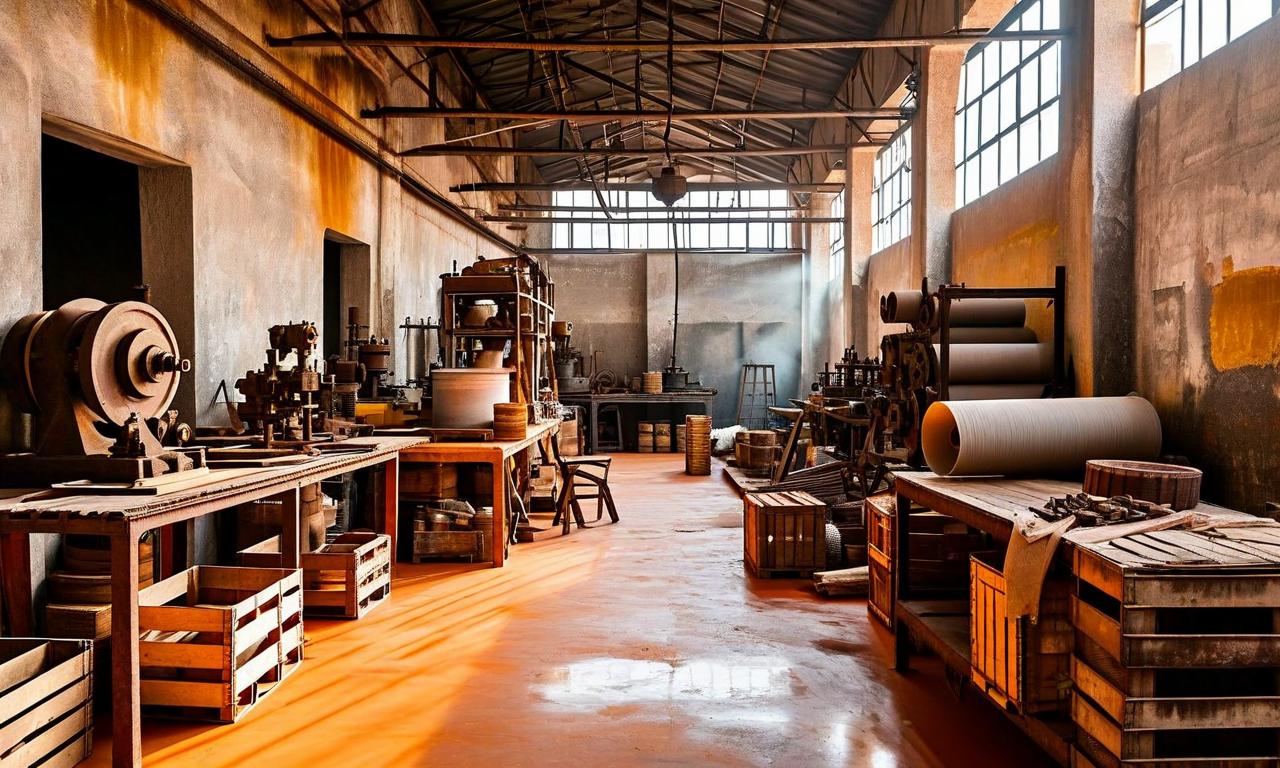

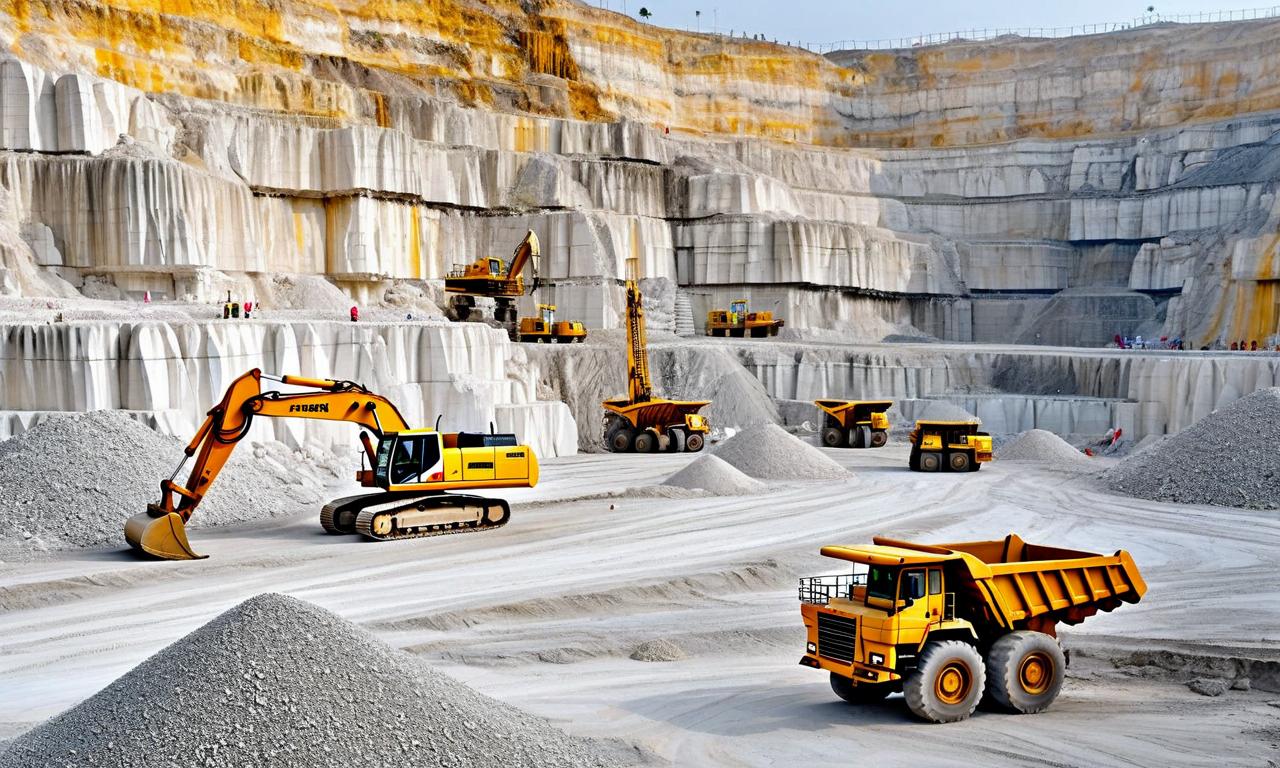
*this image is generated using AI for illustrative purposes only.
JK Lakshmi Cement Limited conducted its Q4 and FY26 Earnings Conference Call on May 21, 2026, organized by PhillipCapital (India) Private Limited. The call featured Mr. Arun Shukla, President and Director, and Mr. Sudhir Bidkar, Executive Director, Corporate Affairs and CFO, who provided insights into the company's performance and strategic direction.
Industry Overview and Demand Trends
Management noted that pan-India cement demand grew by approximately 7% during FY26, reaching an estimated 480 million tons, an improvement over the 5% year-on-year growth recorded in FY25. Q4 FY26 demand growth was estimated at approximately 6% to 6.5%, with volumes up approximately 17% quarter-on-quarter. Demand remained strong from December 2025 through February 2026, growing at 8% to 10%, but moderated to approximately 5% in March due to weak sentiment amid the Middle East conflict.
On the supply side, the highest-ever annual capacity addition of 64 million tons was recorded, bringing national effective installed capacity to 712 million tons as of March 2026. Pan-India capacity utilization was estimated at approximately 69%, marginally lower than the previous year. Cement prices witnessed partial recovery, particularly in the non-trade segment during Q4 FY26, though substantial capacity additions and intense competition restricted meaningful price hikes.
Key Operational and Financial Data Points
Management shared several operational metrics during the call:
| Metric | Details |
|---|---|
| FY26 Clinker Production | 92.26 lakh tons |
| Q4 FY26 Clinker Production | 24.72 lakh tons |
| Q4 FY26 Clinker Sales | 2.20 lakh tons |
| Current Installed Capacity | 18 million tons |
| FY26 Capacity Utilization | 73% |
| Surat Plant Utilization | 60%+ |
| FY26 Blended Cement Ratio | 62% |
| CC Ratio (Q4 FY26) | 1.44 |
| Power Cost (Q4 FY26) | ₹5.79 per kilowatt |
| Renewable Energy Share | 46% |
| Q4 FY26 EBITDA per ton (exit) | ~₹730 |
| Non-Cement Revenue (Q4) | ₹169 crores |
| RMC Revenue (Q4) | ₹82 crores |
| AAC Block Revenue (Q4) | ₹59 crores |
| Non-Cement Margin (Q4) | ~4% |
Cost Pressures and Mitigation
Management flagged significant cost headwinds, with pet coke prices rising approximately 40% quarter-on-quarter to approximately $160 per ton and global coal prices up approximately 30% quarter-on-quarter. Energy costs are expected to rise by approximately ₹300 per ton and packaging costs by approximately ₹80 to ₹100 per ton. For Q1 FY27, management guided for a cost inflation impact of approximately ₹120 to ₹130 per ton, with the full ₹400 per ton impact (energy plus packaging) expected to be felt around Q2 FY27. Additionally, a recent increase of approximately ₹4 per litre in petrol and diesel prices is expected to add approximately ₹15 to ₹16 per ton to logistics costs.
To mitigate these pressures, the company is adjusting its fuel mix in Northern plants by altering the proportion of pet coke versus coal, scaling up renewable energy usage, improving thermal substitution rates (TSR), and deploying AI/ML capabilities in pyro-process and grinding units to improve efficiency.
Capex Plans and Expansion Timeline
Management outlined an ambitious capital expenditure roadmap for the coming years:
| Period | Capex Guidance |
|---|---|
| FY27 | ₹1,500 crores to ₹1,700 crores |
| FY28 | ~₹2,000 crores |
| FY29 | ₹1,000 crores to ₹1,500 crores |
| Durg Project Total Capex | ₹3,000 crores |
| Durg Project Spent (till FY26) | ~₹500 crores (including railway siding) |
The Durg expansion, including grinding units, is expected to be commissioned by the end of FY28. The Northeast project (clinker and grinding) is targeted for FY29, followed by the Kutch project by FY30. The Nagaur project faces delays due to land acquisition issues and pending Supreme Court decisions related to the Aravalli region. Management reaffirmed confidence in achieving its 30 million ton capacity target by 2030, with approximately 9 million tons of capacity to be added over FY27 to FY30 after the Durg project.
NECEM Acquisition and Northeast Strategy
Regarding the NECEM acquisition in the Northeast, management confirmed that the transaction was consummated at a total consideration of approximately ₹19 crores, along with the takeover of certain past liabilities. Past liabilities of approximately ₹12.50 crores were settled in March. Of the ₹19 crores consideration, approximately ₹1.50 crores has been paid towards share acquisition, a non-compete fee of approximately ₹10 crores is payable upon full consummation, and approximately ₹7.50 crores is to be inducted as capital, of which approximately ₹3.50 crores has been done. Management expressed confidence that the transaction will be completed in the current quarter.
On the Assam integrated plant, management clarified that while the original MDO contract was cancelled, two out of three mines were secured through the auction route, with combined reserves of approximately 250 million tons. The Northeast foray will proceed based on these two mines after the East expansion.
Profitability Outlook and Strategic Priorities
Management acknowledged that the EBITDA per ton target of ₹1,000 remains the anchor, though the company exited FY26 at approximately ₹730 per ton on a quarterly basis. Management expressed confidence that the gap with industry leaders will narrow by at least ₹50 to ₹75 in FY27. Key levers include improving the blended cement ratio from 62% towards 65%, ramping up premium products such as Green+ and LC3 (Lime Calcined Clay Cement), optimizing trade mix, and expanding renewable energy usage. On non-cement revenues, management noted that the ready-mix concrete segment has grown below plan due to a deliberate focus on higher-margin adjacent building material products such as tile adhesives and plastering solutions. The company is also piloting the leveraging of its brand strength in TMT steel rods through a tie-up with manufacturers, though this remains at a nascent stage.
Historical Stock Returns for JK Lakshmi Cement
| 1 Day | 5 Days | 1 Month | 6 Months | 1 Year | 5 Years |
|---|---|---|---|---|---|
| -3.19% | -6.77% | -11.88% | -14.60% | -44.41% | -22.87% |

Given the projected ₹400 per ton cost inflation from energy and packaging by Q2 FY27, how likely is JK Lakshmi Cement to achieve meaningful price hikes in an oversupplied market with 69% industry utilization?
With the Nagaur project facing Supreme Court-related land acquisition delays, what is the realistic risk to JK Lakshmi's 30 million ton capacity target by 2030 if the legal hurdles persist beyond FY27?
As pet coke prices have surged ~40% quarter-on-quarter, how sustainable is JK Lakshmi's fuel mix optimization strategy in Northern plants, and could further price volatility force a more permanent shift away from pet coke?
 16
16






 Access 50+ Readymade Screeners
  Use 200+ Custom Filters
  Get Full Market Insights





