

Jindal Stainless deploys 10 electric trucks, targets 71 tonnes CO2 savings


- Deployed 10 dedicated electric trucks for finished goods transportation
- Program expected to save 71 tonnes of CO2 per month versus diesel
- Mixed fleet includes 80 LNG trucks and 60 CNG buses alongside EVs
- Targets movement of 8,000-10,000 tonnes of cargo monthly via green solutions

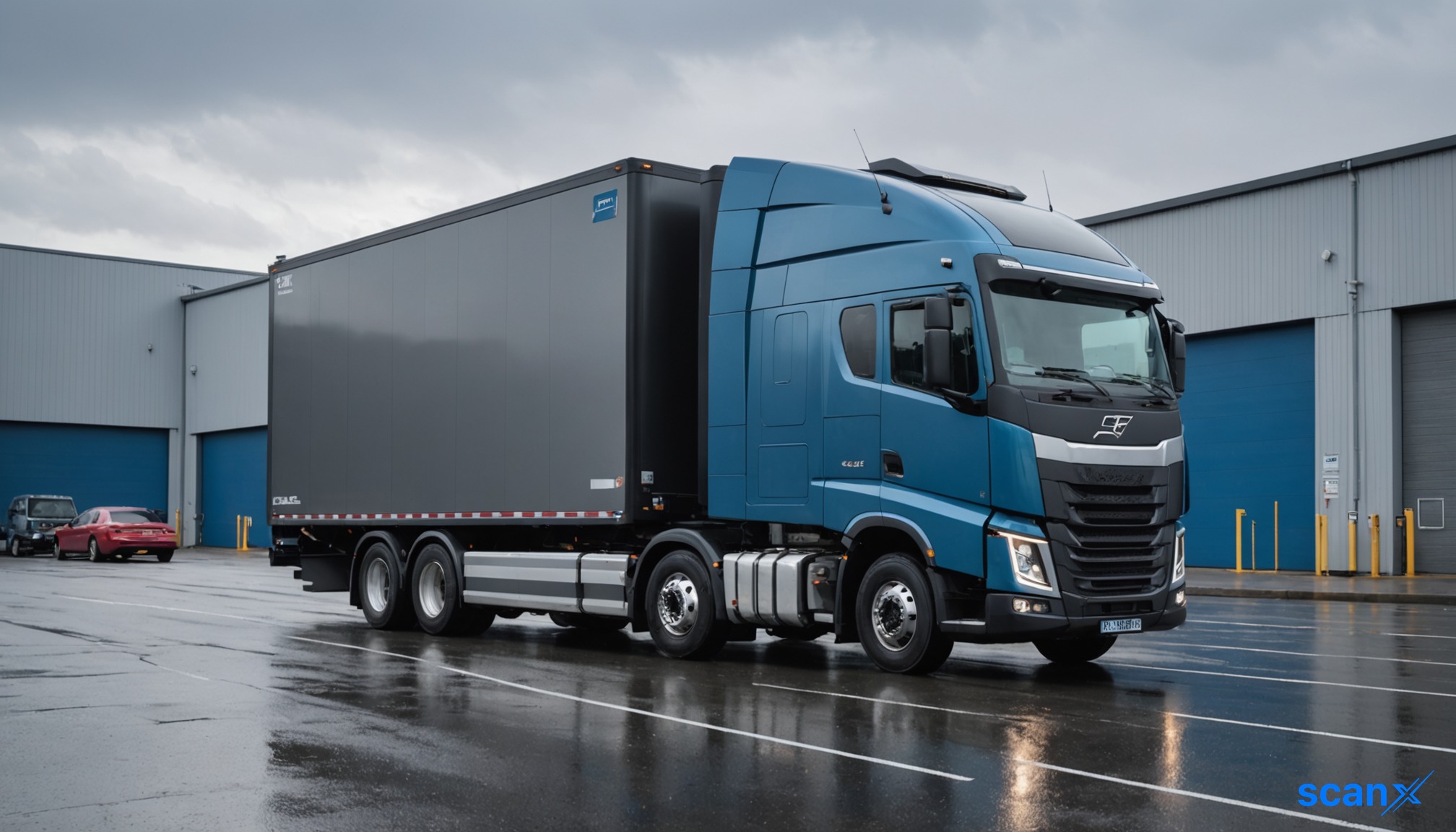

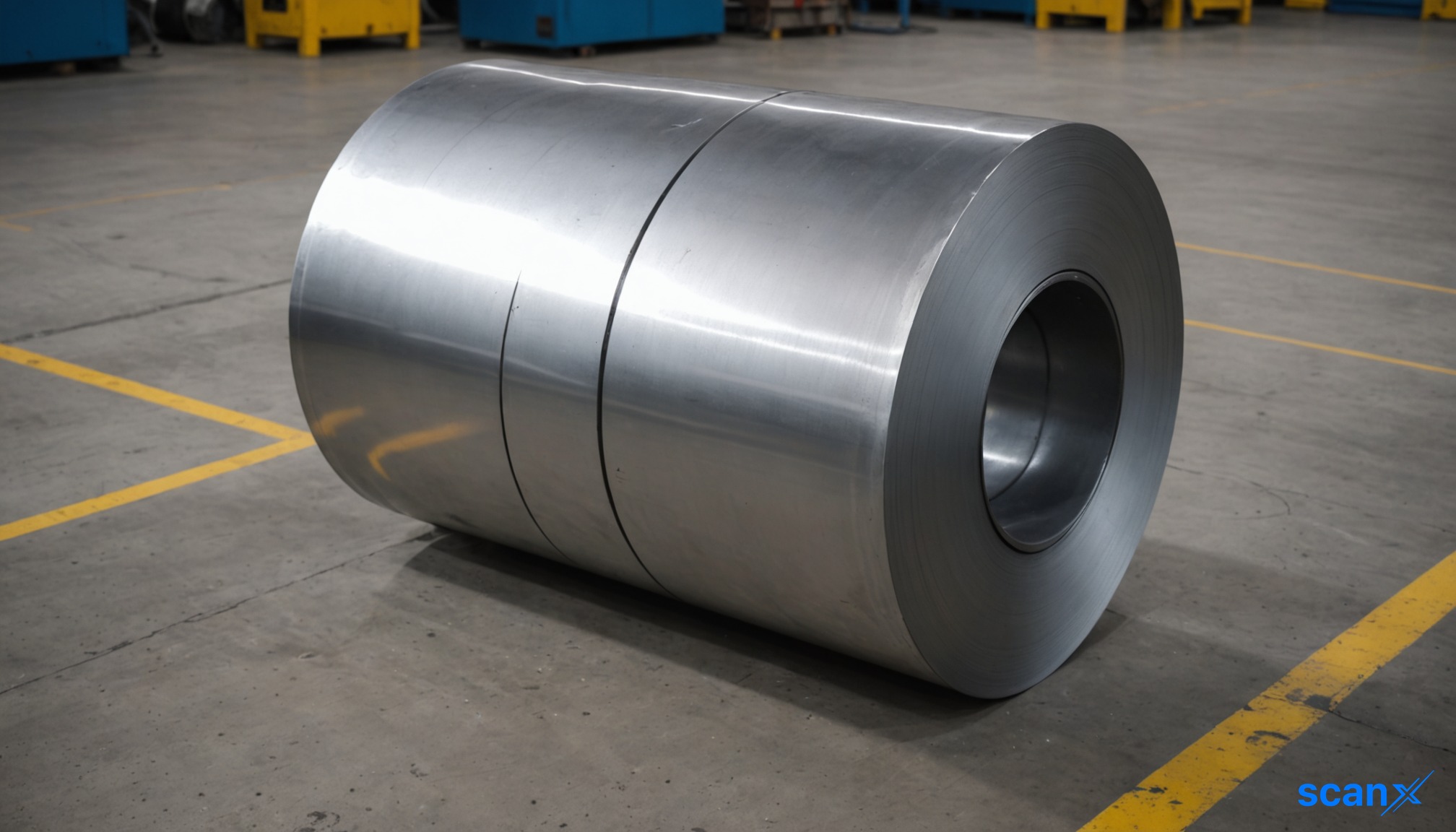
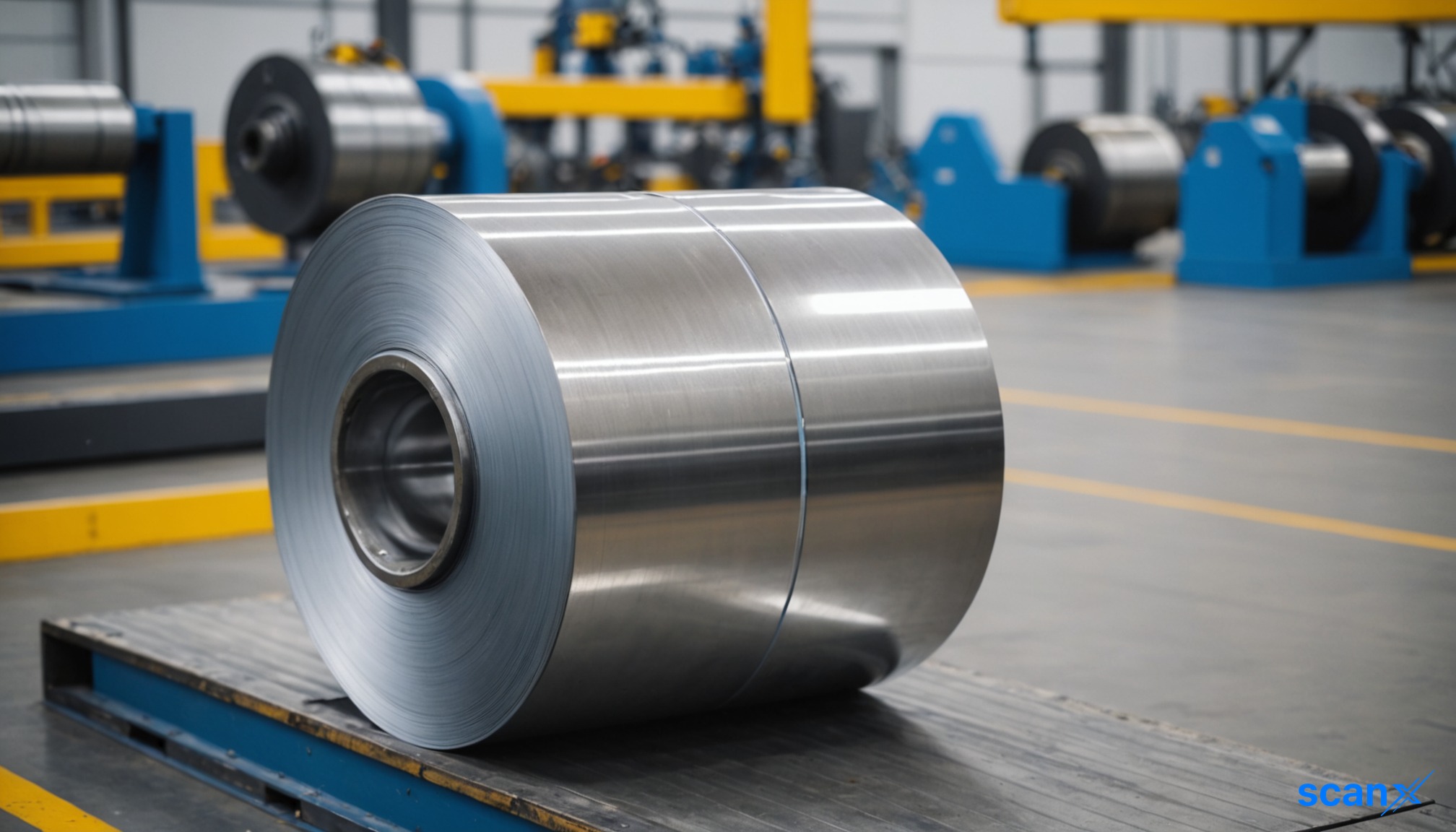
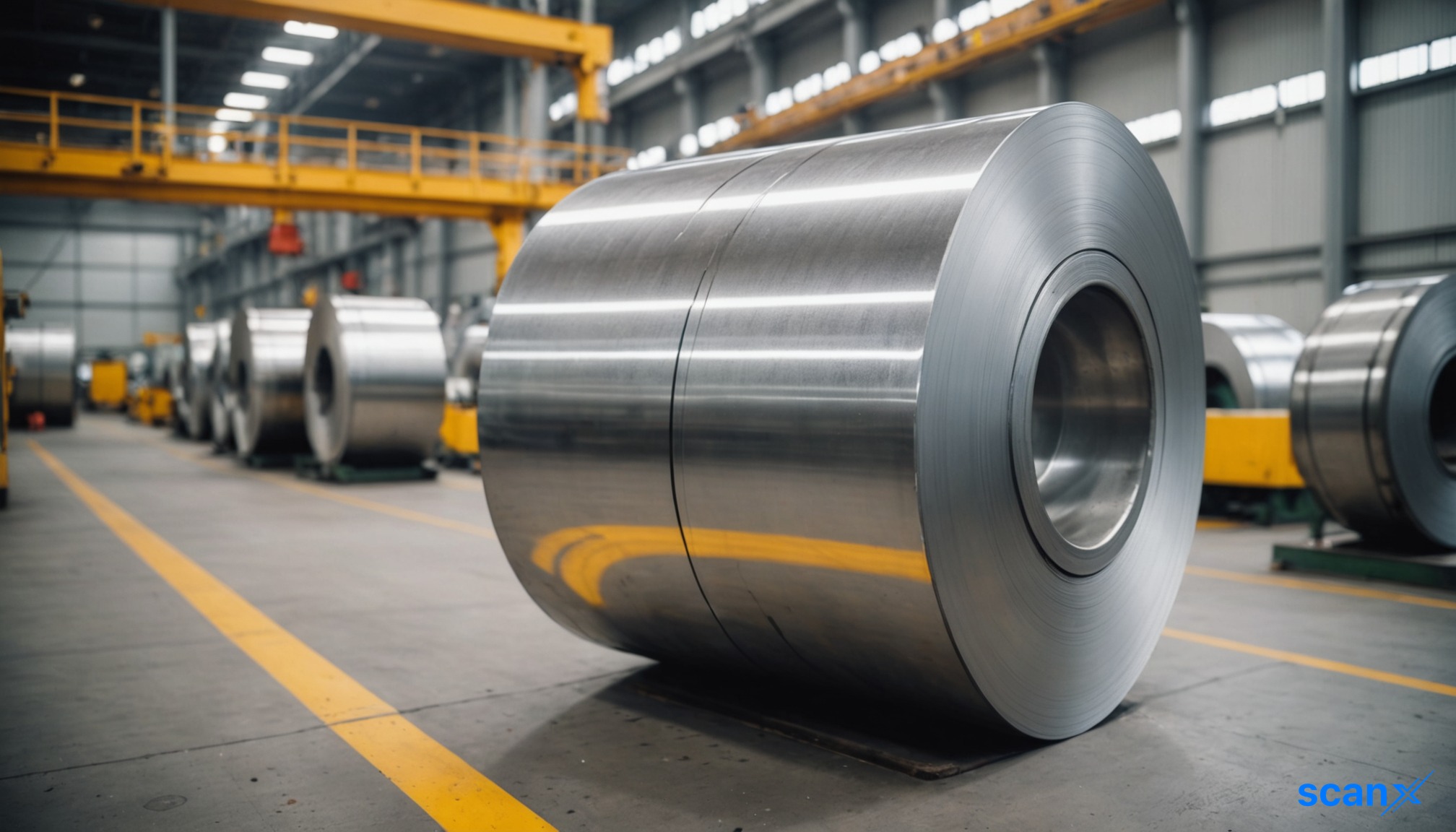
*this image is generated using AI for illustrative purposes only.
Jindal Stainless has deployed 10 dedicated electric trucks for finished goods transportation, marking its first use of EVs in logistics. This move is part of a phased green mobility programme expected to save 71 tonnes of CO2 per month compared to diesel-based transportation.
The electric trucks will operate on routes connecting the company’s Jajpur plant with Kharagpur and Kolkata. This deployment complements existing alternative-fuel vehicles, including 80 LNG trucks operating from Jajpur and Hisar facilities to western India, and newly introduced CNG trucks for import cargo from Dhamra to Jajpur. Additionally, the company operates 60 CNG buses for employee transport at Hisar and Jajpur sites.
Green Mobility Fleet Composition
The company’s logistics strategy relies on a mixed fleet of electric, LNG, and CNG vehicles to reduce its environmental footprint while maintaining operational efficiency. The combined initiatives aim to facilitate the movement of approximately 8,000-10,000 tonnes of cargo per month using these lower-emission solutions.
| Vehicle Type | Quantity | Primary Use Case |
|---|---|---|
| Electric Trucks | 10 | Finished goods (Jajpur to Kharagpur/Kolkata) |
| LNG Trucks | 80 | Finished goods (Jajpur/Hisar to Western India) |
| CNG Trucks | Not specified | Import cargo (Dhamra to Jajpur) |
| CNG Buses | 60 | Employee transport (Hisar/Jajpur) |
What the Numbers Show
The projected emission reduction of 71 tonnes per month represents a 26% decrease compared to diesel-based transportation under regular operating conditions. This calculation is based on a modelled monthly green dispatch volume of 8,000-9,000 tonnes and an equivalent truck travel distance of approximately 240,000 kilometres. The data indicates that the shift away from diesel is significant enough to impact the company’s broader ESG metrics, particularly given its annual turnover of ₹42,955 crore in FY26.
Abhyuday Jindal, Managing Director, stated that responsible manufacturing must extend beyond plants to the entire value chain. He emphasised that the approach focuses on practical, scalable solutions that reduce the environmental footprint without compromising operational efficiency. The company plans to progressively expand these deployments across suitable logistics routes as it continues its decarbonisation efforts.
Historical Stock Returns for Jindal Stainless
| 1 Day | 5 Days | 1 Month | 6 Months | 1 Year | 5 Years |
|---|---|---|---|---|---|
| +0.64% | -1.84% | -4.95% | -6.08% | -7.34% | +317.70% |

How will the capital expenditure for scaling the electric truck fleet impact Jindal Stainless's near-term free cash flow and return on capital employed?
What are the specific supply chain constraints or infrastructure bottlenecks that could delay the planned expansion of EV deployments to other logistics routes?
How might rising carbon credit prices or stricter regulatory ESG disclosures enhance the financial valuation of these emission reduction initiatives?
 18
18





 Access Market Heat-map & Insights
  Create, Save & Share your Screener
  Use 200+ Screening Filters





