

Hindustan Zinc files climate report, targets 50% emission cut by 2030


- Hindustan Zinc targets 50% reduction in Scope 1 and 2 emissions by 2030 from FY20 baseline
- Renewable power consumption reached 892 MU in FY26, cutting emissions by 0.83 million tCO2e
- Company plans US$1 billion investment in fleet electrification to achieve 75% electrification by 2035
- EcoZen low-carbon zinc sales helped customers avoid 14,505 tonnes of CO2e emissions in FY26

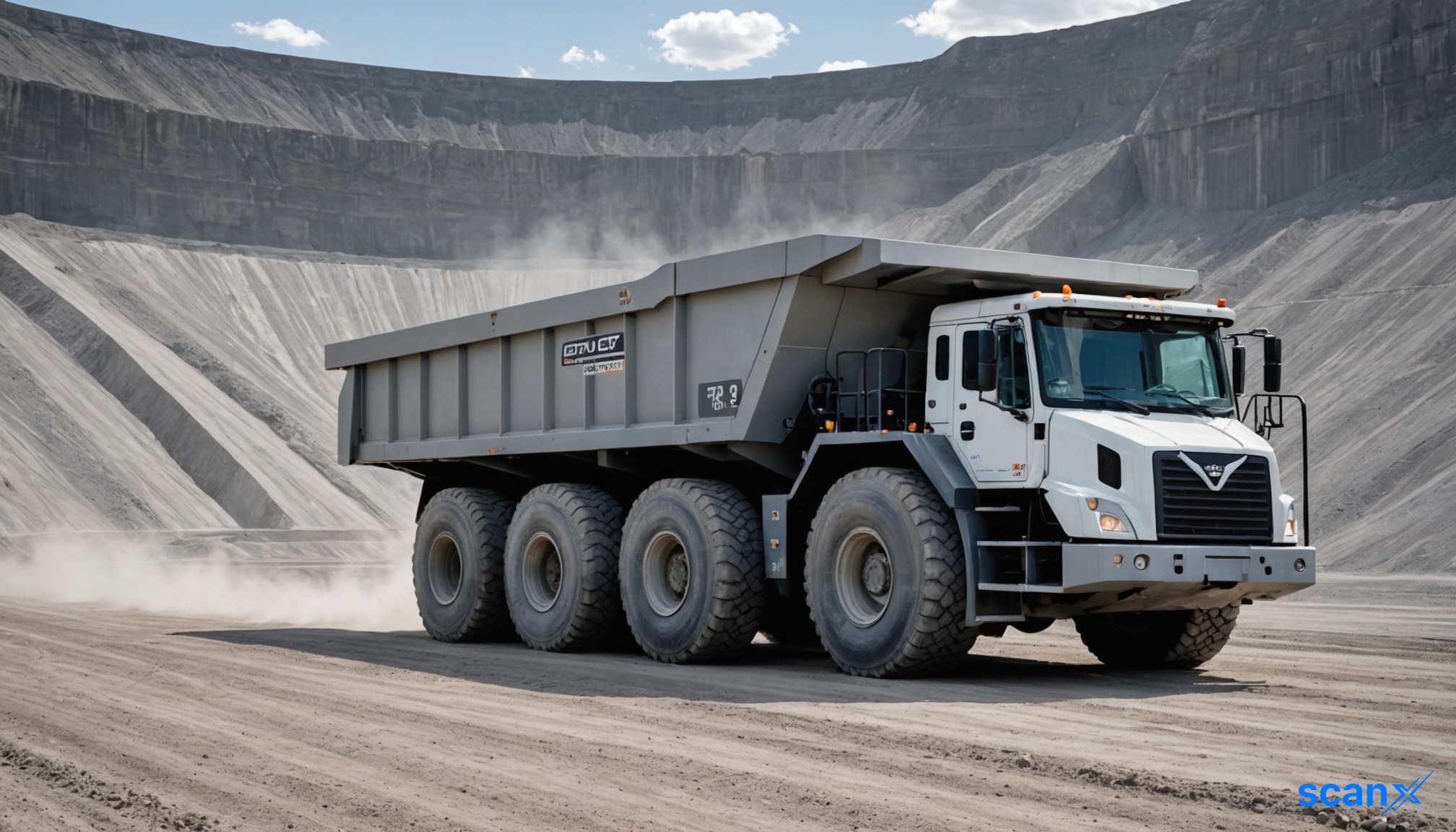

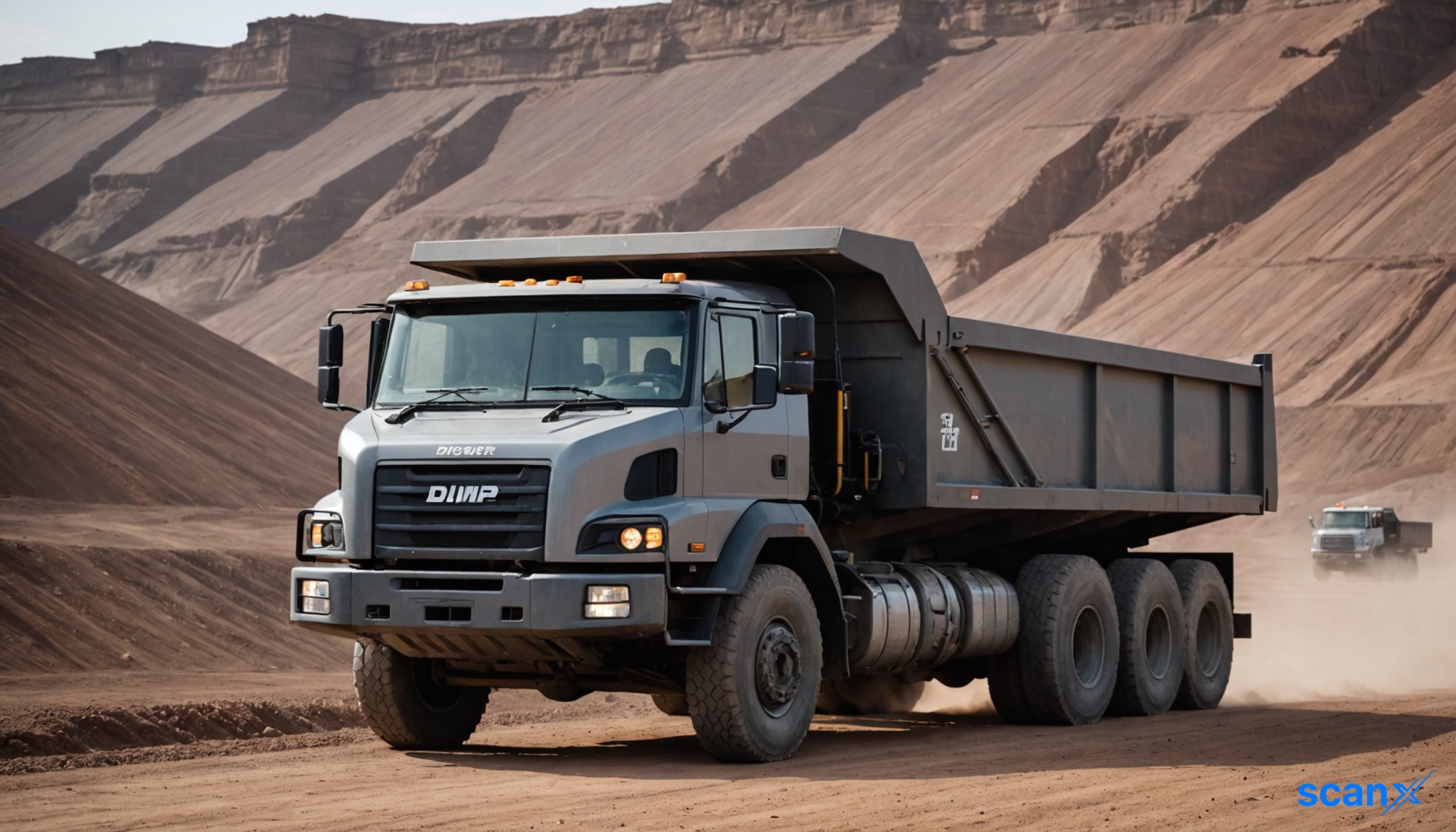
*this image is generated using AI for illustrative purposes only.
Hindustan Zinc submitted its Climate Action Report for FY26 to stock exchanges on October 7, 2026. The report outlines the company's strategy to reduce Scope 1 and 2 emissions by 50% from FY20 baseline levels by 2030.
The filing highlights significant progress in renewable energy integration, with total green power consumption reaching 892 million units (MU) in FY26. This shift contributed to an estimated 0.83 million tCO2e reduction in emissions. The Pantnagar Metal Plant continued to operate on 100% renewable power sourcing throughout the year.
Emissions and Renewable Energy Metrics
The company reported combined Scope 1 and Scope 2 emissions of 5.02 million tCO2e for FY26. Scope 3 emissions stood at 1.47 million tCO2e. The data indicates that while absolute emissions have increased due to operational expansion, the intensity of emissions is being managed through aggressive renewable procurement.
| Metric | FY26 Value | Target/Status |
|---|---|---|
| Scope 1 + 2 Emissions | 5.02 million tCO2e | 50% reduction by 2030 |
| Scope 3 Emissions | 1.47 million tCO2e | 25% reduction by 2030 |
| Renewable Power Consumed | 892 MU | 70% share target by FY28 |
| Water Positivity | 3.32x | Maintain positive balance |
Decarbonisation Pathway and Investments
Hindustan Zinc's decarbonisation roadmap relies heavily on shifting from the State Transmission Utility model to the Central Transmission Utility model to reduce transmission losses. The company plans to add 990 MW of battery energy storage capacity to support green power demand for both existing and expanded capacity.
Key investments include:
- A US$1 billion commitment toward fleet electrification, targeting 75% fleet electrification by 2035.
- Approximately ₹1,114.5 crore invested in renewable energy infrastructure, including the 530 MW renewable energy programme.
- Deployment of 180 LNG vehicles and 52 electric vehicles in the logistics fleet.
Product Innovation and Market Positioning
The report emphasizes EcoZen, Asia's first low-carbon zinc product, which maintains a carbon footprint of less than 1 tCO2e per tonne of zinc. This represents an approximate 75% reduction compared to the global average. In FY26, Hindustan Zinc sold 2,935 tonnes of EcoZen, helping downstream customers avoid approximately 14,505 tonnes of CO2e emissions.
What the Numbers Show
A divergence exists between the company's growth ambitions and its near-term emissions trajectory. Hindustan Zinc plans to expand metal capacity to 2 million tonnes by 2030. This expansion increases absolute energy demand, making the 50% reduction target for Scope 1 and 2 emissions challenging despite the rapid uptake of renewable power. The reliance on battery storage and grid efficiency improvements becomes critical to offsetting the emissions impact of this volume growth.
Governance and Assurance
The report was externally assured by S.R. Batliboi & Co LLP under ISAE 3000 (Revised). Governance oversight is managed through the Board Sustainability & ESG Committee, chaired by Priya Agarwal Hebbar, which monitors progress against sustainability-linked KPIs embedded in executive remuneration.
Historical Stock Returns for Hindustan Zinc
| 1 Day | 5 Days | 1 Month | 6 Months | 1 Year | 5 Years |
|---|---|---|---|---|---|
| +1.65% | -2.62% | -9.24% | -3.37% | +10.19% | +71.34% |

How will the planned expansion to 2 million tonnes of metal capacity impact the feasibility of achieving the 50% Scope 1 and 2 emissions reduction target by 2030?
What are the potential cost implications for Hindustan Zinc as it transitions from the State Transmission Utility model to the Central Transmission Utility model?
How might global regulatory pressures on carbon-intensive imports influence the market adoption and pricing premium of EcoZen beyond FY26?
 16
16









 Access Market Heat-map & Insights
  Create, Save & Share your Screener
  Use 200+ Screening Filters





