

Goldman Sachs pitches $5.4 billion debt for Microsoft-tied data center


Goldman Sachs is arranging a $5.4 billion debt facility for a Microsoft-linked data center project, reported on July 29, 2026. This massive financing deal highlights the critical need for capital in AI infrastructure development. It demonstrates how major banks are enabling tech firms to scale their physical assets rapidly through structured debt solutions.



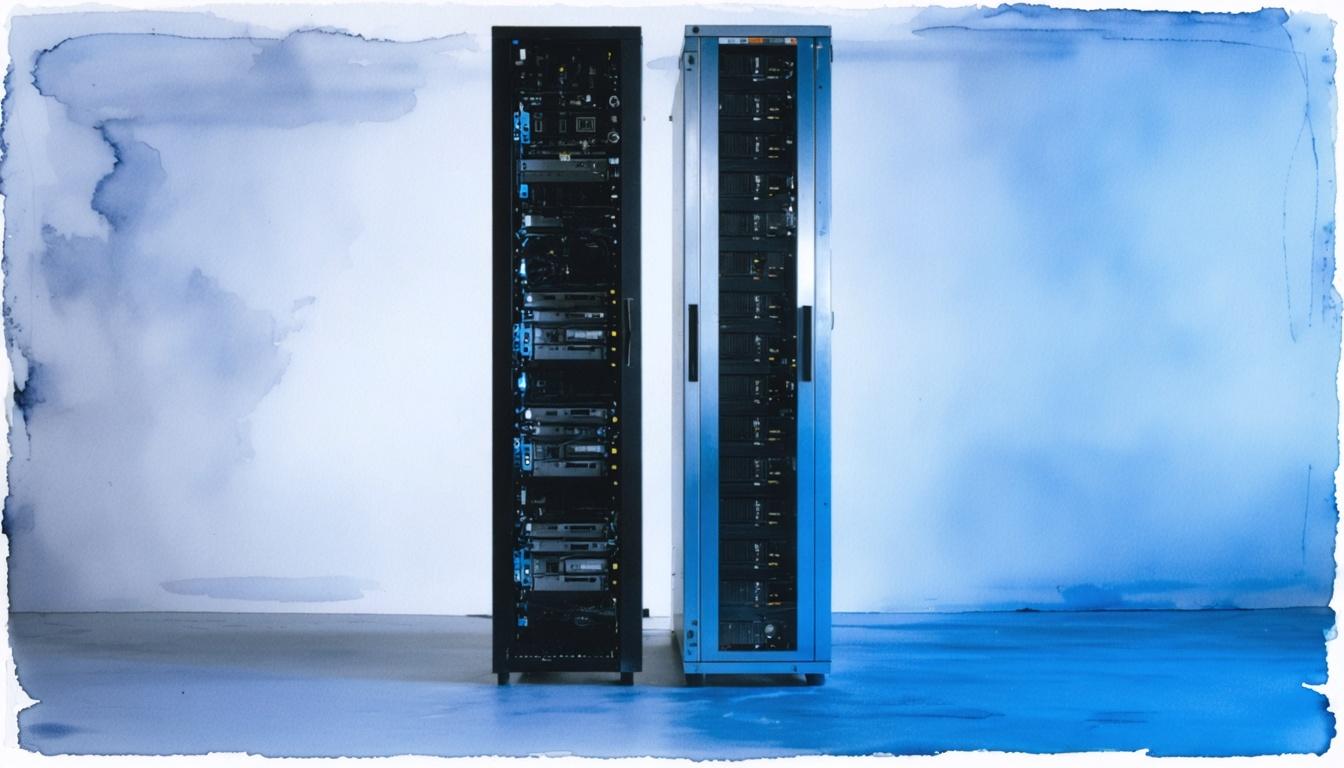
*this image is generated using AI for illustrative purposes only.
Goldman Sachs Group Inc. is pitching a debt financing structure worth $5.4 billion for a data center project tied to Microsoft Corp., according to reports from Bloomberg on July 29, 2026. This significant capital raise underscores the intensifying demand for infrastructure capable of supporting advanced artificial intelligence workloads, with Microsoft remaining a central beneficiary of such investments. The scale of the proposed debt issuance reflects the substantial upfront costs associated with building next-generation computing facilities, positioning Goldman Sachs as a key facilitator in bridging the gap between tech giants' expansion plans and available institutional capital.
The $5.4 billion figure represents one of the largest single-asset financing efforts in the sector, indicating robust investor confidence in the long-term revenue stability provided by hyperscale cloud providers like Microsoft. By structuring this debt offering, Goldman Sachs aims to capitalize on the sustained growth trajectory of the AI ecosystem, where data centers serve as critical physical assets. The involvement of a premier global bank in such a high-value transaction also signals that risk parameters for tech infrastructure debt have expanded, allowing for larger aggregate exposures than previously seen in comparable markets.
Financing Structure and Market Context
The proposal highlights a shift in how large-scale technology infrastructure is funded, moving beyond traditional equity or internal cash flows toward specialized debt instruments. While specific terms of the debt instrument were not detailed in the initial report, the magnitude of the $5.4 billion pitch suggests a complex syndication process involving multiple lenders or bondholders. This approach allows Microsoft to leverage its credit strength while preserving liquidity for other strategic initiatives, such as research and development or acquisitions.
| Metric | Detail |
|---|---|
| Lead Arranger | Goldman Sachs Group Inc. |
| Project Value | $5.4 billion |
| Associated Entity | Microsoft Corp. |
| Asset Type | Data Center |
| Source Date | July 29, 2026 |
What the Numbers Show
The sheer size of the $5.4 billion financing request illustrates the capital intensity of modern AI deployment. Unlike software updates or minor hardware refreshes, foundational data center construction requires massive fixed capital outlays, often running into billions per facility. This financing move suggests that Microsoft’s growth strategy relies heavily on expanding its physical footprint, necessitating external capital partners to accelerate deployment timelines without diluting existing shareholders. The reliance on debt rather than equity may also imply management's confidence in future cash flows generated by these assets to service interest obligations comfortably.

How might the success of this $5.4 billion syndication influence the cost of capital for other hyperscale cloud providers seeking similar infrastructure financing in 2027?
What specific risk mitigation strategies is Goldman Sachs likely employing to protect lenders against potential overcapacity or technological obsolescence in AI data centers?
Could this shift toward large-scale debt financing for tech infrastructure signal a broader trend of reduced equity issuance among major technology firms?
 20
20












 Access Market Heat-map & Insights
  Create, Save & Share your Screener
  Use 200+ Screening Filters





