

Godavari Drugs Q1FY26 net profit rises 7% YoY to ₹1.11 crore


Godavari Drugs Limited posted a 7% YoY net profit increase to ₹1.11 crore in Q1FY26, driven by 17% revenue growth to ₹28.00 crore. However, margins faced pressure as material costs surged 45% YoY. The company also completed a warrant conversion raising ₹5.25 crore and utilized ₹76.33 lakh for capex from its earlier preferential issue.


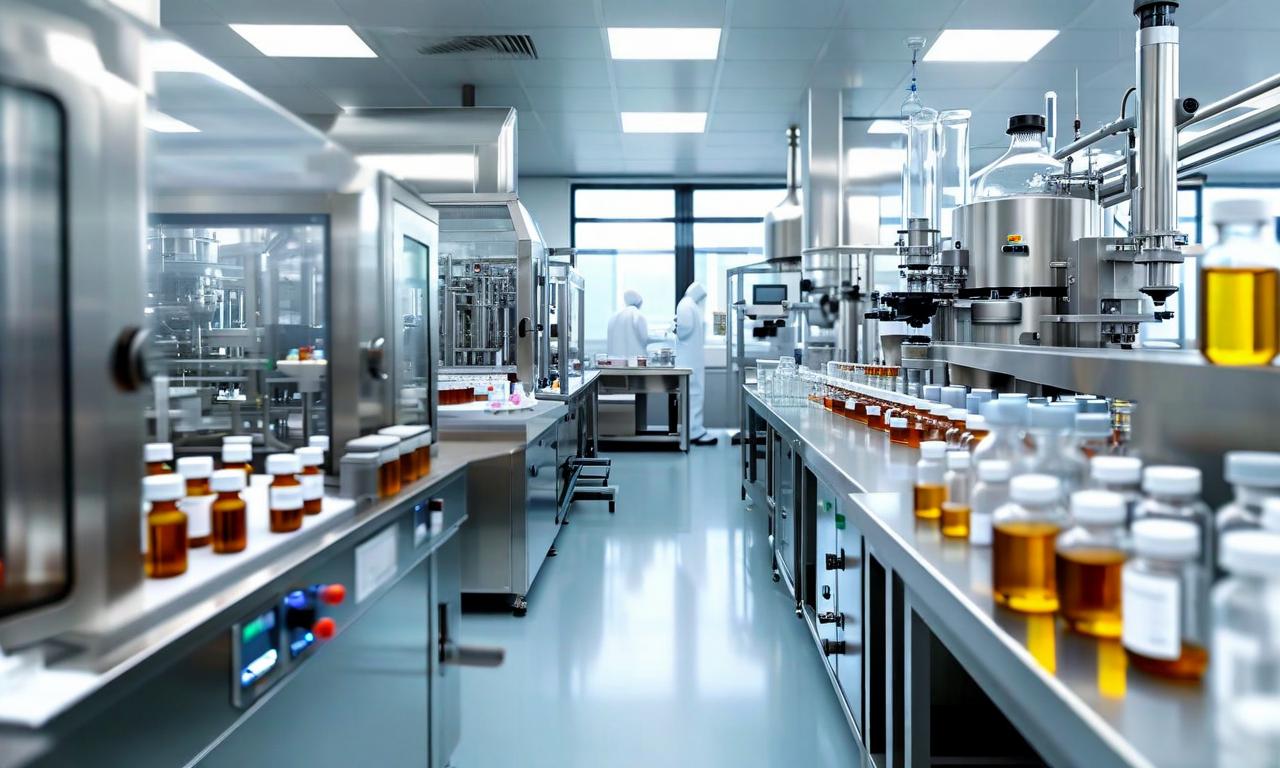
*this image is generated using AI for illustrative purposes only.
Godavari Drugs Limited reported a net profit of ₹1.11 crore for the quarter ended June 30, 2026, rising 7% from ₹1.10 crore in the same period last year. Revenue from operations expanded by 17% to ₹28.00 crore, compared to ₹23.81 crore in Q1FY25. On a sequential basis, however, profit fell 14% from ₹1.29 crore in the preceding quarter, as revenue contracted to ₹28.00 crore from ₹33.16 crore in Q4FY25.
The Secunderabad-based pharmaceutical firm saw its total expenses rise to ₹26.93 crore in Q1FY26, up from ₹22.52 crore in Q1FY25. This increase was driven primarily by higher costs of materials consumed, which jumped to ₹26.15 crore from ₹17.99 crore year-on-year. Despite the revenue growth, the surge in input costs compressed margins, resulting in a lower absolute profit figure compared to the strong finish in FY25.
Capital Raise and Warrant Conversion
In addition to approving the unaudited financial results, the Board of Directors authorized the allotment of equity shares upon the conversion of warrants. A total of 7,86,690 warrants were converted into an equal number of equity shares at an issue price of ₹89 per share. This transaction involved the receipt of ₹5.25 crore, representing 75% of the issue price per warrant.
The allotment was made on a preferential basis to individuals classified under the "Promoter Category." The post-allotment paid-up equity share capital increased from ₹10.13 crore to ₹10.91 crore. The share capital now consists of 1,09,14,125 equity shares with a face value of ₹10 each.
What the Numbers Show
A notable divergence exists between the company’s revenue growth and its cost structure. While revenue grew 17% year-on-year, the cost of materials consumed surged by 45% over the same period. This suggests significant pressure on gross margins, likely due to higher input costs or a shift in product mix towards lower-margin items. Furthermore, other income contributed ₹15.10 lakh to the bottom line, accounting for approximately 13% of the net profit, highlighting a modest but present reliance on non-operating income streams.
Fund Utilization Update
Godavari Drugs also filed its statement on the deviation or variation in the use of proceeds from its preferential issue dated March 18, 2026. The company raised ₹44.12 crore, primarily for capital expenditure related to manufacturing Active Pharmaceutical Ingredients (APIs) and intermediates, as well as working capital requirements. For the quarter ended June 2026, the company utilized ₹76.33 lakh towards capital expenditure. There was no deviation reported in the use of funds raised.
| Metric | Q1FY26 | Q4FY25 | Q1FY25 |
|---|---|---|---|
| Revenue from Operations | ₹28.00 crore | ₹33.16 crore | ₹23.81 crore |
| Net Profit | ₹1.11 crore | ₹1.29 crore | ₹1.10 crore |
| EPS (Basic) | ₹1.10 | ₹1.71 | ₹1.38 |
| Cost of Materials Consumed | ₹26.15 crore | ₹30.27 crore | ₹17.99 crore |
The results were reviewed by the Audit Committee and approved by the Board at its meeting held on August 14, 2026. The independent auditor, Ayyadevara & Co., issued a review report stating that nothing came to their attention to cause them to believe that the statement does not disclose the information required under SEBI Listing Regulations.
Historical Stock Returns for Godavari Drugs
| 1 Day | 5 Days | 1 Month | 6 Months | 1 Year | 5 Years |
|---|---|---|---|---|---|
| -1.38% | +6.64% | +18.95% | +38.28% | +39.74% | +72.64% |

How does Godavari Drugs plan to mitigate the 45% surge in material costs to restore gross margins in upcoming quarters?
What is the expected timeline for the API manufacturing capital expenditure to begin contributing to revenue and offsetting input cost pressures?
Will the conversion of 7.86 lakh warrants into equity shares lead to significant dilution for existing minority shareholders, and how might this impact future dividend policies?
 17
17








 Create Custom Screeners
  Access 200+ Pre-built Filters
  Use 50+ Readymade Screener





